In January 2026, the Mujahedin-e Khalq (MEK), actively report on Iran claiming a role in ongoing nationwide protests across the country.
The ongoing nationwide protests which were initially sparked by economic woes began in late December 2025/early January 2026. The MEK-affiliated media are constantly publishing reports, including claims that “Resistance Units” are operating within Iran.
According to numerous sources, public perception is that the MEK has little domestic legitimacy in Iran and is widely viewed across the Iranian political spectrum as a “traitorous cult”. The popular slogans chanted by demonstrators indicate that the MEK is widely rejected by them. No one in the streets of Iran chants pro-MEK slogans.
However, the MEK’s mercenaries in Iran, called “resistance units”, are skillful exploiters of legitimate grievances in order to incite violence, and fabricate information to project a fake image of their popularity for their ranks escalating confrontation between true protesters and the government forces.
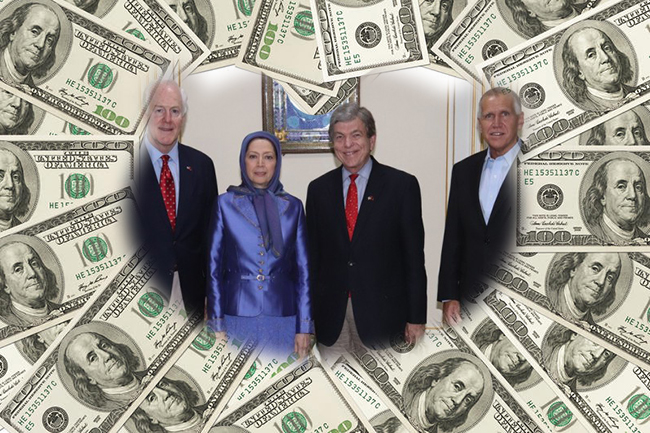
During three decades of multi-million dollar lobbying in the West, the MEK has been successful to sell itself as a viable alternative for the Iranian government to some Western politicians. The paid sponsors of the MEK in the West fail to align with the political realities inside Iran. According to Mali Rezaei of the abc.net this reinforces “a sense that international actors neither understand nor prioritize Iranian society itself.”
“By treating groups like the Mujahedin-e Khalq (MEK) as representative of the broad Iranian opposition, despite the group’s widespread unpopularity inside Iran due to its wartime collaboration with Saddam Hussein and perceived political opportunism, external actors have further distorted international understandings of dissent,” Rezaei writes. “For many Iranians, this has reinforced the belief that foreign governments continue to misrepresent or override the genuine aspirations emerging from within the country.”
Shabnam Assadollahi, the Canadian human rights advocate and freelance journalist of Iranian origin, writes about the MEK’s unpopularity on the Times of Israel warning the west to “stop playing games with Iran” because “the MEK does not speak for Iranians.”
She also explains that the MEK is widely despised across Iran’s political spectrum, viewed as a traitorous cult, not a credible opposition and finally rejected in public protests.
Legitimizing the MEK undermines democratic values and supporting the group contradicts commitments to democracy, human rights and freedom. This “positions Western governments against the clearly expressed will of the Iranian people”, asserts Assadollahi.
This blogger of the Times of Israel lists the MEK’s terrorist record, cult-like authoritarianism and opportunistic alliances as factors that make it notorious for Iranian public opinion. According to her, Iranian protesters explicitly reject MEK terrorists, separatism and foreign-engineered political projects. And, this reflects their political maturity and historical awareness.
Rezaei and Assadollahi like many other western-based Iranian journalists believe that western states should correct their perception of the Iranians’ aspirations. They must terminate any engagement with the MEK and its affiliated groups like the so-called National Council of Resistance (NCR). Ending participation in MEK events, rallies, and conferences, western politicians should prohibit official endorsements or symbolic legitimization of the group.
In order to get the trust of the Iranian public, Western high profiles should acknowledge the Iranian rejection of the MEK and other extremist separatist groups and respect Iran’s territorial integrity and national unity.
Mazda Parsi