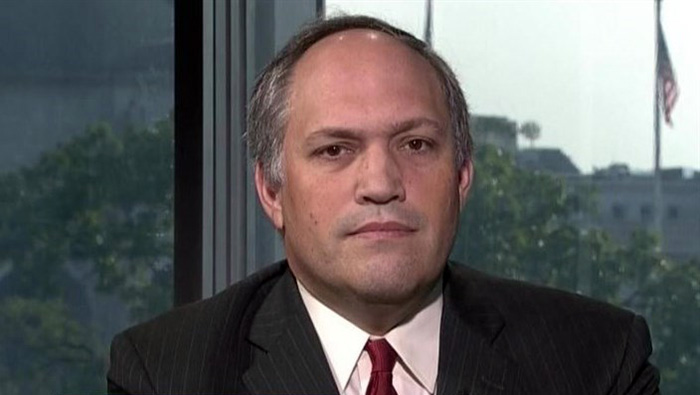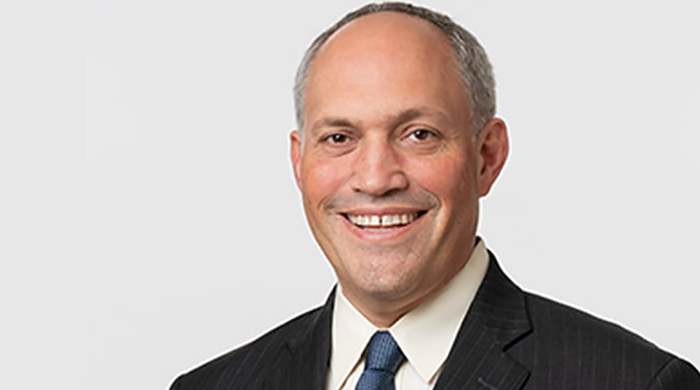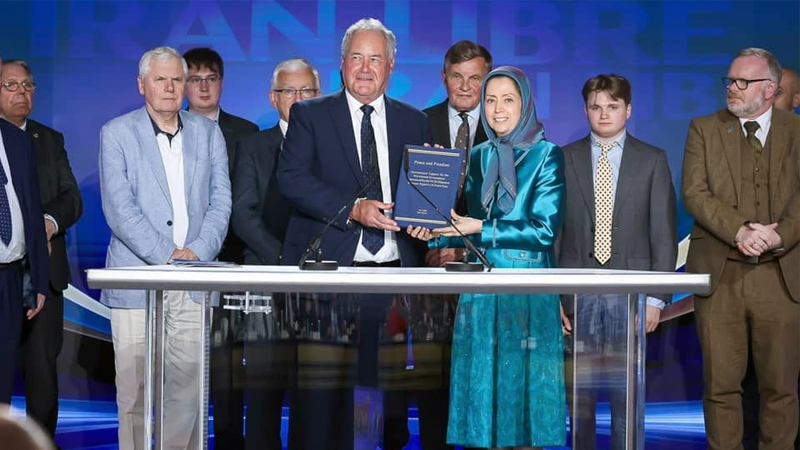
British Politician, Bob Blackman “warmly” congratulated the “election” of Mahnaz Maimanat as the Mujahedin Khalq (MEK)’s new “Secretary General”. He continued flattering the MEK saying: “That a democratic organization opposing the regime in Tehran should once again choose a woman to lead it matters a great deal, and it will be noticed by women and young people inside Iran.”
Robert John Blackman CBE MP is a British politician who has served as chairman of the 1922 Committee and chair of the Backbench Business Committee since 2024 is a member of the Conservative Party, he has been the Member of Parliament for Harrow East since 2010. He is an ardent supporter of the MEK. He has also received in the group’s headquarters in Albania where he made a speech on behalf of the group.
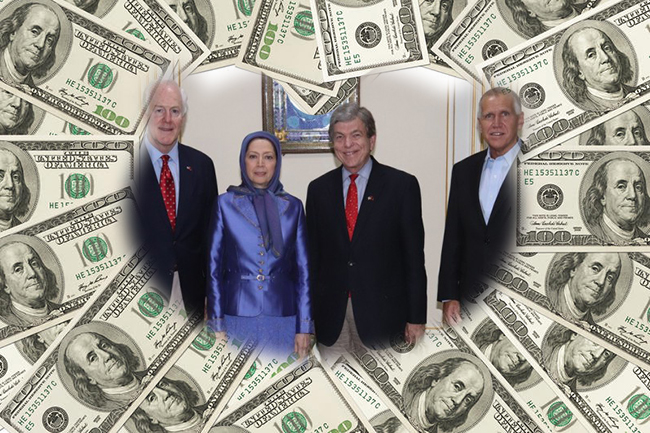
His recent post to on his X account was slammed by women and young people inside and outside Iran. An Iranian user on X replied Blackman: You do not get to “stand with the Iranian people” while actively legitimizing a group that the Iranian people themselves overwhelmingly reject. Another user asked him how much he was paid in exchange for the support he voices for the MEK terrorist group. #MEKTerrorist became viral again.
While the UK government has banned Maryam Rajavi from entering the UK on national security grounds, Blackman has repeatedly questioned the British Parliament for her case.
Blackman has been previously condemned for his support for the MEK. A petition was launched on Change.org in which the signatories asked the British government to investigate Bob Blackman’s relationship with the MEK and any undeclared financial interest. The petition reads: “As British citizens and supporters of democracy, we believe Members of Parliament should be held to the highest standards of transparency and accountability, particularly when advocating on behalf of foreign political organisations.” The signatories call for transparency.
Iranian users assert that their legitimate questions about Blackman’s relationship with the MEK should be answered impartially because the group has invested heavily in political lobbying.
Any undeclared financial or non-financial benefits connected to Blackman’s advocacy for the MEK should be investigated and the findings should be made public.
Blackman should know that laundering an extremist terrorist cult under the cover democracy does not make him an ally of Iranian women and young people.
If he truly stands for freedom, democracy, and human rights, start by acknowledging that Parliament’s record including his own, shows a worrying willingness to ignore Iranian voices in favor of a deeply hated group by Iranians.
Mazda Parsi