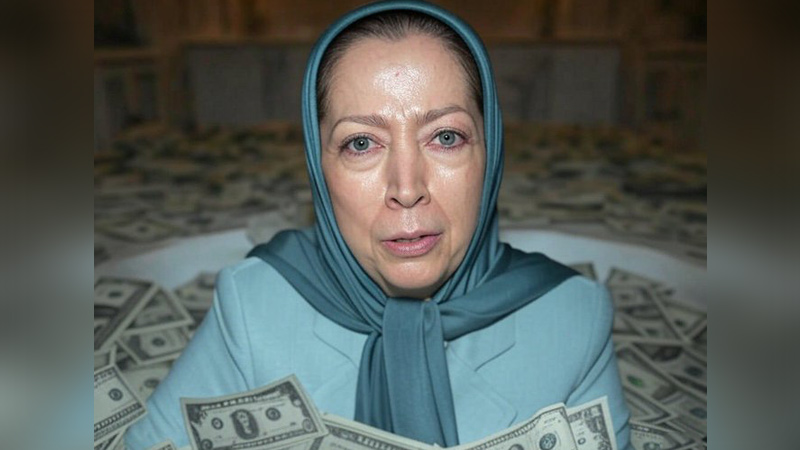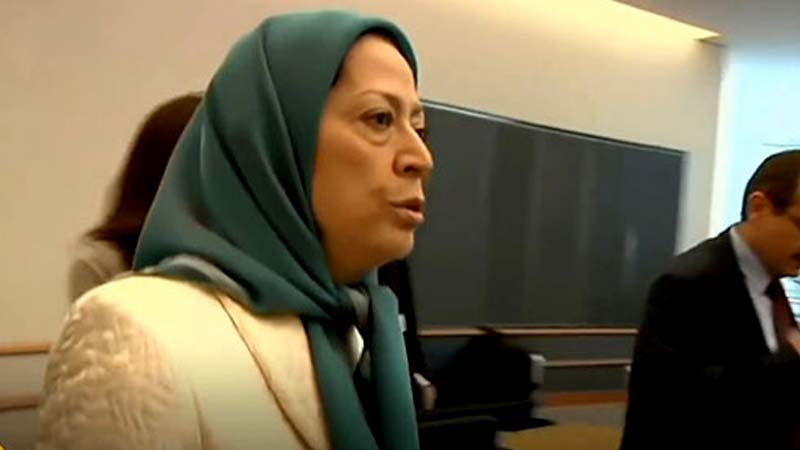
Maryam Rajavi, the leader of the Mujahedin-e Khalq (MEK) , remains one of the most polarizing figures in modern Middle Eastern politics. To understand why she has been received by democratic institutions like the Italian Parliament despite the MEK’s highly controversial, violent history and its frequent characterization as a cult, one must examine the intersection of international geopolitics, sophisticated public relations, and the shifting strategies of Western foreign policy.
The Dual Narratives around the MEK
To comprehend her reception in European legislative bodies, it is necessary to contrast the two bluntly different narratives surrounding the MEK.
On one hand, scholarly literature, independent human rights reports, and historical accounts detail a dark legacy. Founded in the 1960s as an Islamist-Marxist student militia, the MEK actively participated in the 1979 Iranian Revolution but subsequently crashed with the newly established Islamic Republic government. The group fled to Iraq and found shelter under Saddam Hussein during the Iran-Iraq War, the group took up arms against its own homeland, cementing its reputation among many Iranians as traitors. During this exile, researchers and former members document that the MEK transformed into a highly insular, authoritarian organization. Academic studies and government reports, such as those by the RAND Corporation and Human Rights Watch, have detailed severe internal abuses, including mandatory divorces, enforced celibacy, sleep deprivation, physical abuse, and the isolation of members from their families.
On the other hand, the NCRI presents Maryam Rajavi as “a champion of a secular, democratic, and non-nuclear Iran”. Her platform, encapsulated in her “Ten-Point Plan,” advocates for the separation of religion and state, gender equality, the abolition of the death penalty, and peaceful coexistence. In this narrative, the MEK is the most organized and viable opposition capable of toppling the government in Tehran.
Why do Western Politicians including the Italian Parliament Receive Maryam Rajavi?
Assessments of whether the MEK is a genuine democratic alternative or a harmful cult are highly subjective and depend heavily on diverse geopolitical perspectives. Rather than endorsing a single viewpoint, analyzing the political mechanisms reveals several key reasons why the Italian Parliament and other Western legislative bodies have hosted Rajavi:
- The Strategy of “The Enemy of My Enemy”
In Western foreign policy circles, particularly among hawkish factions, the primary objective regarding Iran is the containment or overthrow of the Islamic Republic. For many politicians, the MEK’s dark history is overshadowed by its utility as an active, highly organized adversary to the Iranian government. Hosting Maryam Rajavi is often utilized by Western parliamentarians as a diplomatic lever to pressure and irritate the clerical regime in Tehran.
- The Transition from Terrorists to “Democratic Partners”
The MEK was designated as a Foreign Terrorist Organization (FTO) by the United States and European nations due to its history of violence, which included the killing of several US citizens in the 1970s and subsequent bombings inside Iran. However, following the 2003 US invasion of Iraq, the group initiated a massive, multi-million-dollar lobbying campaign. By hiring prominent former Western officials, legal experts, and public relations firms, they successfully argued that their past violence was defensive and that they had permanently renounced terrorism.
- Sophisticated Lobbying and Parliamentary Structure
European parliaments, including Italy’s, operate with decentralized committee structures and multi-party coalitions. Often, invitations to speak are not extended by the parliament as a unified, official state body, but rather by specific parliamentary committees, human rights groups, or cross-party friendship associations. The NCRI has established deep relationships with individual European MPs and senators across the political spectrum by framing their struggle around universally appealing values: women’s rights, human rights, and opposition to Islamic Republic. For many busy legislators, the NCRI’s polished presentations, combined with the endorsement of high-profile international figures (such as former US cabinet members and European dignitaries), make hosting Rajavi appear to be a straightforward defense of human rights, often without a deep dive into the group’s complex and controversial history.
In Italy, the MEK’s political arm, the National Council of Resistance of Iran (NCRI), has built a highly sophisticated network of contacts. Academic analyses of the MEK’s lobbying strategies demonstrate that the group does not target institutions cold; instead, they leverage relationships with sympathetic Italian parliamentarians—particularly from center-right parties like Forza Italia and the Lega, as well as centrist liberals—who sit on foreign affairs committees or are affiliated with the Foundation.
- Intelligence Sharing and Political Utility
Western interest in the MEK is also sustained by the group’s intelligence-gathering capabilities inside Iran. Most notably, in 2002, the MEK exposed the existence of Iran’s nuclear facilities at Natanz and Arak. Although experts suggest this intelligence may have been passed to the MEK by foreign intelligence agencies like Israel’s Mossad, the revelation established the MEK as a valuable asset in the eyes of Western security establishments. This perceived utility encourages certain political factions to maintain open channels of communication with Rajavi.
In summary, Maryam Rajavi’s appearances before legislative bodies like the Italian Parliament are the result of a highly effective rebranding campaign, sophisticated parliamentary lobbying, and a pragmatic geopolitical environment where Western lawmakers utilize the MEK as a tool of political pressure against the Iranian government, despite the serious controversies and allegations of human rights abuses associated with the group’s past and internal practices. Associating with the group severely damages the credibility of Western nations in the eyes of ordinary Iranians.
Mazda Parsi