November 25, the International Day for the Elimination of Violence against Women, serves as an occasion to reflect on all forms of violence against women—ranging from physical and sexual violence to covert, psychological, organizational, and structural forms. On this day, examining the situation of women within the Mujahedin-e Khalq (MEK) and comparing it against Maryam Rajavi’s slogans regarding women’s freedom and equality is a matter worthy of serious consideration and attention.
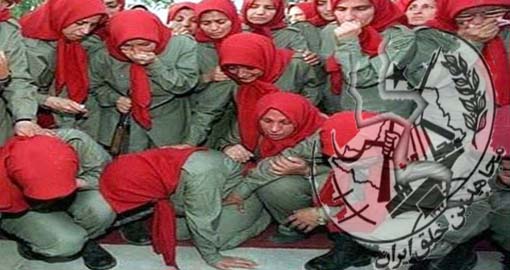
Over the past years, a number of former members of MEK have published testimonies and reports detailing the violation of women’s rights within the internal dynamics of the organization. These allegations include forced divorces, restrictions on emotional and familial relationships, the deprivation of individual freedoms, the imprisonment of critics, psychological pressure, sexual abuse, and even sterilization surgeries performed without the women’s informed consent.
The significance of these testimonies lies in the fact that they are not limited merely to the claims of the organization’s political opponents. In its 2005 report titled “No Exit,” Human Rights Watch published the testimonies of twelve former members regarding imprisonment, torture, psychological pressure, and forced divorces. Furthermore, in an investigative report dated November 9, 2018, The Guardian published accounts from women concerning sexual abuse and non-consensual sterilization surgeries. In 2019, The Intercept also published testimonies detailing sexual abuse and coercion in the internal dynamics of the group.
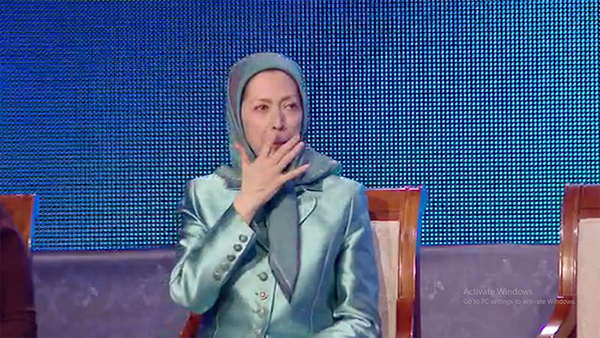
In this context, the central question concerns Maryam Rajavi—a figure who, in her speeches and official programs, the so-called “Ten-Point Plan” consistently advocates for full gender equality, the freedom to choose a spouse, the right to marry and divorce, women’s autonomy, the right to bodily self-determination, and freedom of clothing, thought and belief.
But how can these stated principles be reconciled with the reports and testimonies that have emerged regarding the internal practices of the organization?
While Maryam Rajavi speaks of the freedom to choose a spouse, former members recount stories of forced divorces and restrictions on emotional and familial relationships. Although the right of women to make decisions regarding their own bodies is emphasized, some women have testified about undergoing sterilization surgeries without their consent. While freedom of thought and belief are among her stated principles, reports and testimonies document the imprisonment and torture of critical members. Furthermore, testimonies from women who have left the organization—detailing sexual and psychological pressures, as well as restricted contact with their families—raise serious questions regarding the autonomy and dignity of women within the group.
Individuals such as Batoul Soltani, Zahra Mirbagheri, Fereshteh Hedayati, and Nasrin Ebrahimi—along with other former members—have brought these issues into the public sphere by sharing their personal experiences and observations. Naturally, such allegations require independent investigation and an opportunity for the accused parties to respond; however, the voices of these women—and the necessity of addressing their claims—cannot be ignored.
The fundamental question is this: Why should the rights of women outside the organization differ from the rights of women within it? If a woman in Iranian society possesses the right to choose a spouse, the right to motherhood, the right to make decisions regarding her own body, and freedom of belief, should these same rights not also be recognized for women who are members of the People’s Mojahedin Organization (PMOI)?
If Maryam Rajavi opposes forced marriage, discrimination, and the stripping of women’s agency, she must also take a clear stance regarding reports of forced divorces and medical procedures performed without consent. If she considers women’s freedom to be a pillar of democracy, she must also guarantee the right to criticize, dissent, and leave the organization freely for the group members.
Human rights and women’s freedom cannot be reduced to political slogans or promises about the future. The credibility of any defense of women’s rights is proven only when those same rights are upheld within the internal dynamics of your organization.
Maryam Rajavi must answer these questions: Do the women within the organization enjoy the same freedoms that she promises to the women of Iran? Is their right to choose, individual autonomy, and human dignity recognized?
Prohibiting violence against women is not merely a political propaganda slogan; it is a benchmark for evaluating actual conduct. Freedom and human dignity are the rights of all women—not just those outside the organization. Today, the voices of women who have left the organization must be heard; there must be a call for an independent, transparent, and impartial investigation into the situation of women inside the MEK’s headquarters, and those in charge must be held accountable.
Mazda Parsi