Nejat Society
  • Home
  • Articles
  • Media
    • Cartoons
    • NewsPics
    • Photo Gallery
    • Videos
  • Publications
    • Books
    • Nejat NewsLetter
    • Pars Brief
  • About Us
  • Contact us
  • Editions
    • عربي
    • فارسی
    • Shqip
Nejat Society
Nejat Society
  • Home
  • Articles
  • Media
    • Cartoons
    • NewsPics
    • Photo Gallery
    • Videos
  • Publications
    • Books
    • Nejat NewsLetter
    • Pars Brief
  • About Us
  • Contact us
  • Editions
    • عربي
    • فارسی
    • Shqip
© 2003 - 2024 NEJAT Society. nejatngo.org
Albania accession to EU
Mujahedin Khalq Organization as a terrorist group

Albania Accession TO EU – Open Letter to the Negotiators

News that, in spite of the difficulties thrown up by the COVID-19 pandemic, the European Commission accession talks are going ahead is welcome. Albania, in particular, has many serious issues to address if it is to make progress and the country will benefit from pressure to meet EU expectations on combatting crime and corruption as well as instituting judicial and political reforms.
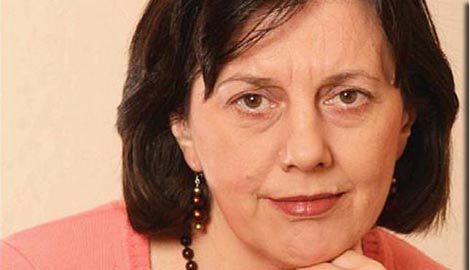
Ann Singleton

The recent arrest of 5 senior officials of Albania’s Regional Border and Migration Directorate on charges of people smuggling and illegal assistance to cross the borders, after an investigation into illegal trafficking and abuse of migrant documentation, illustrates the depth of Albania’s problems. Coordination with the CIA in these arrests by Director General of the State Police, Ardi Veliu also reminds us that one of Albania’s difficulties has been to emerge in any meaningful way from under the control of the US as a NATO state.

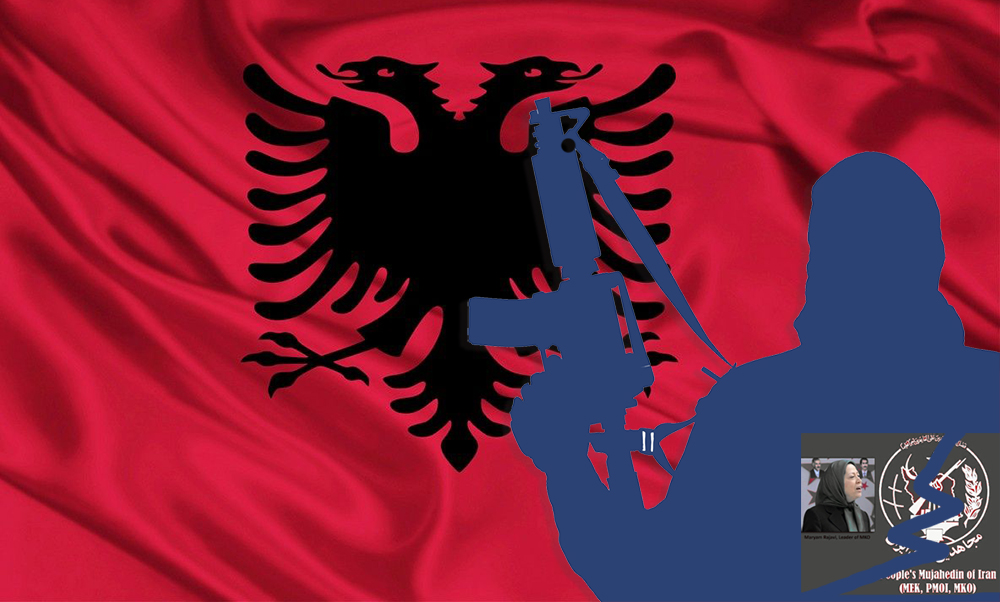
These arrests have inadvertently exposed another significant, but easily ignored aspect to US influence – the presence of the Mojahedin-e Khalq (MEK, MKO, Rajavi cult), an Iranian terrorist group which operates as a mind control cult. The MEK in Albania is protected by the Trump administration and claims CIA links. Albania’s government has allowed the MEK unprecedented freedom; freedom that former benefactor Saddam Hussein never granted. Indeed, the tolerance of and collusion with the MEK’s maverick, often criminal behaviour acts like a litmus test for how corrupt various Albanian institutions are.

In the case of the police arrests, several former members of the MEK who live in Tirana said they were surprised and relieved because “These five are the same police who have been harassing us, refusing to give us residence permits and denying our basic rights. They have arrested one of us and detained him without charge for almost a year. The police have been doing this on behalf of MEK leaders.” What this exposes is that the MEK enjoys undue influence with the police services, and that MEK members do not have any legal status in the country; no ID papers, work permits or travel documents. They are not refugees, they are stateless and unaccountable people who live outside the law.

Since arriving in Albania in 2016, the MEK presence has been at best problematic – the MEK has interfered in the internal and external affairs of the country – and at worst poses a serious security risk. An examination of MEK behaviour reveals profound corruption in every institution of Albania.

The following sample of the range of MEK activities in Albania displays a pattern not of simple disregard for the laws and norms of the host community, but a deliberate exploitation of weaknesses in every aspect of the Albanian state from local to national level.

Albania accession to EU

The MEK:

Persuaded deputy Anti-Trafficking Coordinator, Dr Elona Gjebrea to support Maryam Rajavi even though MEK modern slavery is clear for all to see.
Diverted drinking water [in English] from a tourist area for their camp.
Taken precedence for the supply of electricity to their camp over local residents.
Angered locals by burying one of their dead in an already overcrowded cemetery.
Evaded the post mortem examination of a member who died in suspicious circumstances [in English].
Had media interviews removed after Anne Khodabandeh revealed the MEK was recruiting Albanian youth.
Falsely accused two Iranian academics of being terrorists and used this as evidence to have diplomatic staff from the Iranian embassy expelled after MEK labelled them terrorists.
Established an extrajudicial, extraterritorial camp to keep members in a state of modern slavery.
Used slaves to run a troll farm against the national interests of Albania.
Interfered in media freedoms to have favourable articles published and critical articles suppressed.
Denied access and physically assaulted western journalists who came to report on the activities in the closed camp in Manez.
Paid politicians and personalities to attend their meetings and promote their anti-Iran agenda using Albania as a platform to call for violent regime change against Iran [in English].

In response to revelations of its activities, the MEK accuses critics of being “agents of Iran’s intelligence services” – cult jargon intended to frighten the members and call into question the integrity of the critics and distract attention from MEK illegal activities.

Even respected and well-known Albanian citizens are not exempt from the MEK’s unchecked defamation and intimidation campaign. Albanian journalist Gjergji Thanasi is still seeking justice against leading member MEK Behzad Safari as court hearing after court hearing is postponed after spurious excuses are raised. Civil rights activist and historian Olsi Jazexhi and lawyer Migena Bala have been threatened with violence by MEK for investigating and criticizing the cult.

What is to be done?

Clearly, if the European Union is to welcome Albania as a member state something must be done to root out the MEK’s influence in that country. In the past two years, member states of the European Union have severely curtailed MEK activities in Europe. The MEK leader Maryam Rajavi has been obliged to quit France and set up her new headquarters in Albania. There can be no doubt that the EU will not tolerate the group re-entering by default should Albania finally join the union. If Albania does issue them with ID papers, these ‘refugees’ will have direct access to everywhere in the EU following accession.

It is time to dismantle the group.

In 2003 when Saddam Hussein was removed from power, families of MEK members who had not seen their loved ones for two decades made the perilous journey to Camp Ashraf to make contact. These families joined together as an NGO called Nejat Society (Rescue Society) and Sahar Family Foundation was created to help disaffected members in Iraq. Since then they have helped hundreds of individuals who left the MEK to reunite with their families, de-radicalise and return to normal life. In that time, the MEK has transferred from Iraq to Albania, but still in 2020, many, many members remain trapped, incommunicado without knowledge of how they can be helped.

Back in August 2017, an official from the Ministry of Internal Affairs in Tirana met with representatives of these families and pledged to help. Visiting Tirana, Iran Interlink representative Anne Khodabandeh explained how important families are to helping de-radicalise MEK members after they leave the group, and offering them support in returning to normal life.

Since then MEK have waged a campaign to demonize families of MEK members who travelled, or want to travel, to Albania to make contact with their long estranged loved ones, labelling them terrorists and accusing them of wanting to kill their relatives, ensuring they cannot obtain visas.

Families’ petition Albania’s PM

In May this year, a petition by the families addressed to Albania’s Prime Minister Edi Rama reached over eleven thousand signatures. There is a lot of sympathy for the plight of these families, many of whom are elderly and are desperate to be reconciled with their loved ones before it is too late. The petition urges Albania’s prime minister to allow the families to contact their loved ones in the MEK camp. Tens of families added personal appeals and wrote individual letters. Still Rama has not responded.

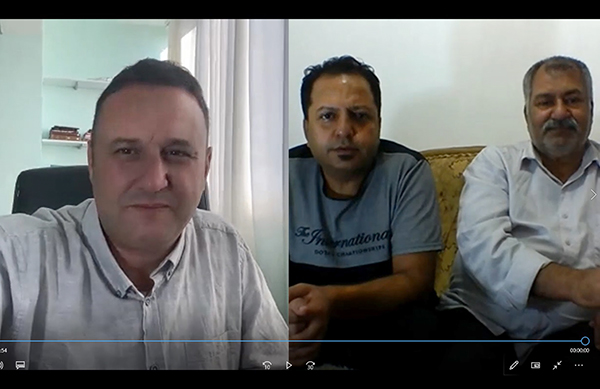
MEK leader Maryam Rajavi boasts that she can organize a Zoom conference from Albania on July 17th to link up paid pundits she would normally invite to her annual rally – a cut price event. On July 16th families from every province in Iran linked up by Zoom to talk and asked ‘if Rajavi is so afraid that we will come to the camp with bombs, why can’t she allow our loved ones to make supervised Zoom calls with us from afar?’

MEK leader Maryam Rajavi boasts that she can organize a Zoom conference from Albania on July 17th to link up paid pundits she would normally invite to her annual rally – a cut price event. On July 16th families from every province in Iran linked up by Zoom to talk and asked ‘if Rajavi is so afraid that we will come to the camp with bombs, why can’t she allow our loved ones to make supervised Zoom calls with us from afar?’

Albania Accession TO EU – Open Letter to the Negotiators

If the European Union is serious about allowing Albania to accede to the union, the negotiators on all sides must take this issue seriously. The coronavirus pandemic offers a strange but real opportunity to treat this as a humanitarian issue rather than a political or terrorism problem. The MEK can be dismantled, the members rescued, their families are ready to help. Edi Rama should be supported in taking this courageous and defining step to secure the future of his country.

To:

Olivér Várhelyi – European Commissioner Neighbourhood and Enlargement

Genoveva Ruiz Calavera – Director of the Western Balkans at the European Commission

Isabel Santos – EP Standing Rapporteur on Albania

Zef Mazi – Albania’s chief negotiator for EU integration

David McAllister – Chair of Foreign Affairs Committee EUP

–

By Anne and Massoud Khodabandeh, Iranian.com
July 18, 2020 0 comments
FacebookTwitterPinterestWhatsappTelegramSkypeEmail
Ahmadi and Kolahi
The cult of Rajavi

Forced Marriages in the MEK

Forced marriage may be unheard of in the today’s world but it is a phenomenon that can threat any society. It isn’t limited to developing countries; it can happen anywhere in the world. Many cults, in developing and developed countries force women and men into marriage. Organizational marriage was a type of forced marriage practiced by the Mujahedin Khalq Organization (the MKO/ MEK/ PMOI/ Cult of Rajavi) and is a sign of member`s commitment and allegiance to the group`s cause.

Although the MEK is notoriously known for its cult-like regulations that forced members to divorce their spouses, it should be noticed that forced marriages were the group’s organizational decree just a few weeks before the divorce became mandatory in the group. There were numerous cases of marriages that took place under the order of the MEK authorities.

The era of forced marriages dates back to the foundation of the group in the 1960s.

The cases of Forced Marriages grew after Massoud Rajavi became the leader of the group. He lost his first wife in the violent confrontation with the newly established Islamic Republic. Then, he became the pioneer of organizational marriage when he married Firouzeh Banisadr, the daughter of the deposed Iranian president Abohhasan Banisadr due to their mutual alliance against Islamic Republic. He then divorced Firouzeh as a result of breaking off his alliance with her father.

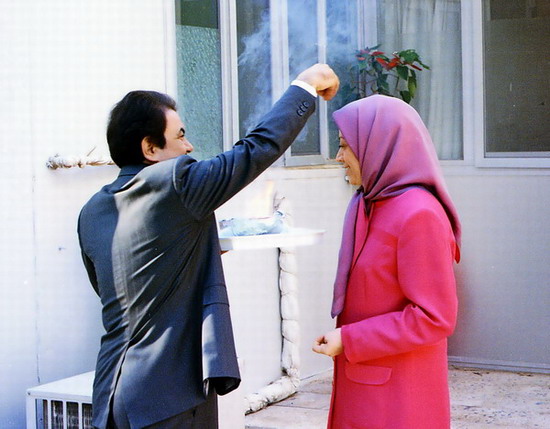
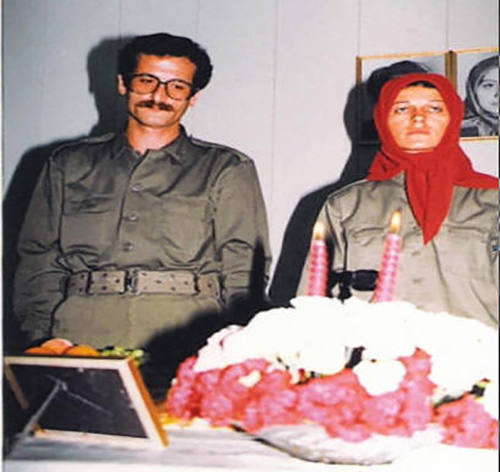
 Massoud and Maryam Rajavi marriage

also read:Massoud Rajavi’s Marriages

Massoud’s third marriage with Maryam Azdanlou, his office administrator and the wife of his close friend Mehdi Abrishamchi did not seem to be organizational or forceful one. Massoud and Maryam’s marriage was called the”Ideological Revolution”that ended with a series of cult-like regulations in the group.

Forced marriage was one of these rules. Single Members and those who have lost their spouses in the group’s terrorist operations were ordered to marry anyone the leaders picked for them. Huge emotional and mental contradictions took place to these people.

Mitra Yusefi, defector of the group recalls a woman in the group named Fahimeh.“Fahimeh is a kind and emotional woman whose first husband was martyred in”Forogh Javidan”operation,“Yusefi writes in her book.

“She could not help thinking about him, she was always speaking of him and she was highly opposed to second marriage… but after a while she was forced to get married again. However, she still talks of her deceased husband Aziz.”

Mitra Yusefi reveals other aspects of forced marriages in an interview with Mardom TV.”In the early years of the foundation of the MEK, marriage was obligatory in order to recruit members,”Yusefi tells Sorbi of Mardom TV.”For example they found out that a member loves someone out of the organization. They made them marry to recruit the other person.”

She also states that inside the organization the case was a little different.”As the number of female members were less than male members, they used to show a list of men to a woman,”Yusefi says.”The woman had to choose from the list. This was the right to choose!”

Behzad Alishahi former member of the group recounts the story of Davud Ahmadi, a victim of the MEK. Davud was mysteriously killed in the MEK although her mother, sister and brothers were devoted members of the group.

Ahmadi and Nikshenas

Through the sad story of Davud, Alishahi writes of his marriages:

“In 1987, Davud married a girl named Zari Nikshenas who was a member of the MEK too. She was from the North of Iran. Their marriage lasted only seven or eight months until Zari was killed in the operation. Davud was really in love with her. A few months after the operation the leaders ordered Davud to marry another woman named Hazineh Jani Kolahi.”

This was partly the root of Davud’s conflicts with the leaders. He was still obsessed with the loss of his first wife and was not ready to take a new wife after such a short time. His sister Parvaneh who defected the group shortly after the shadowy death of Davud speaks of Davud’s paradox before and after the second forced marriage. They used to meet each other secretly to open up to each other their pain and sufferings under the oppressive atmosphere of Camp Ashraf. In one of these secret visits Davud talked to his sister weeping tears.”I have been under pressure to marry again. I am even under punishment for being in love with my first wife,”Davud told Parvaneh.

Ahmadi and Kolahi

“I explain to them that I still love Zari and cannot forget her and I think that her love does not stop me in my struggle but it motivates me to fight better but they do not understand me at all and just punish me.”

Anyway, Davud had no choice but to accept marrying Hazineh. They married and the situation became worse for both of them. Parvaneh saw Davud a few weeks after his second marriage. Davud told his sister that his new wife Hazineh also had lost her first husband Hassan in Forough Javidan.”Any time that Hazineh and I meet each other (once a week) we just talk about Zari and Hassan (our ex-spouses),”Davud told Parvaneh. Hazineh was pregnant with Davud’s son when David was killed.

As Yusefi says, these forced marriages took place only two weeks before forced divorce became a rule! These are very few cases of many bizarre relationships in the MEK. Scattered families, orphaned children, forced marriages and divorces, all indicate the huge violation of human rights that make MEK the cult of Rajavi.

Mazda Parsi

July 16, 2020 0 comments
FacebookTwitterPinterestWhatsappTelegramSkypeEmail
MEK terrorists in Albania
Mujahedin Khalq; A proxy force

MEK and FETO in Albania are used by Americans against Iran and Turkey

“The support that European and American politicians give to their network is similar to the support that the Albania-based terrorist Mujahideen e Khalq (People’s Mujahideen of Iran, MEK) receives. Western governments instrumentalise both FETO and MEK against Turkey and Iran, respectively.”

Fetullah Gulen’s terrorist organisation has made major inroads in the Balkans where those who oppose them are bullied into silence.

On July 15, freedom-loving people in the Muslim world will commemorate the fourth anniversary of the failed coup attempt by the FETO terrorist organisation, led by US-based cult leader Fetullah Gulen. Turkish state institutions, embassies and other organisations will celebrate the victory of defeating the coup, even across the Balkans.

MEK terrorists in Albania

What happened that night in Turkey is fresh in the memories of Muslims across the world and particularly in the Balkans. The coup that the insidious Gulenist cult tried to execute in Turkey threatened the future not only of the Turks, but of the future of democracy in the Muslim world.

Turkey managed to win its battle with the cultists but in Muslim communities in the Balkans, civil society activists have to struggle with the presence and discrimination the network metes out against anyone who opposes them.

FETO presence in the Balkans is backed by the European Union and the US. While many local Muslims side with Turkey and supported its just war against terrorism and state capture, many European MPs and American politicians have sided with the Gulenists.

The support that European and American politicians give to their network is similar to the support that the Albania-based terrorist Mujahideen e Khalq (People’s Mujahideen of Iran, MEK) receives. Western governments instrumentalise both FETO and MEK against Turkey and Iran, respectively.

The FETO presence in the Balkans is protected with fanaticism and criticism is not tolerated by Western governments and media. European MP’s like Thierry Mariani and Zimnok Berhard have gone on the offensive to attack Kosovar and Albanian citizens who are critical of the presence of the Gulenists in their countries by calling them ‘radicals’.

FETO has a huge network of schools, institutions, universities throughout the Balkans: in Bosnia, Macedonia, Kosovo and Albania and even though the Turkish government has asked for their closure, its requests have often been rejected.

European and American politicians have asked Balkan governments to give full support to the Gulenists under the excuse of protecting them from discrimination at home.

However, the presence of Gulenists in Albania is becoming a major headache for the local Muslim community and its imams. The American embassy in Tirana and major Albanian politicians have sided with Gulenists for the last decade.

Under the guise of fighting extremism (which means Arab influence on Islam) FETO has been given control over the Muslim Community in Albania – which is the official state Church of Islam in the country.

As Fatos Klosi, the Former Head of the State Intelligence Service has indicated, FETO’s coup on taking over institutional Islam in Albania has been made possible through the support of Western embassies. The elections of the head of the Muslim Community of Albania are closely watched and influenced by the US Embassy which works closely with its Gulenist leadership.

While in the West, the picture that we get about relations between Turkey and the Gulenists is one of ‘persecution’, ‘dictatorship’ and ‘innocence’, in Albania the picture is different. The Gulenists run a number of private schools, a private university, most madrassas and the only religious university of the Muslim Community of Albania.

As stated in the pages of the Gulenist run Bedr University, the aim of its leadership is to replace all the imams of mosques of Albania (which were educated in Turkey and the Arab world) with their own members. They have even penetrated public universities in Albania. One case is University Alexander Moisiu of Durres, where ex directors (abilers) of the cult now administer the university. They own a national TV station in the country and even a number of private hospitals.

The capture of institutional Islam, schools and even universities have made the Gulenists a major force in Albanian politics. Imams who show sympathy for Turkey, the Muslim Brotherhood or other democratic movements in the Muslim world face discrimination, interrogation and even expulsion from their mosques by the Gulenists. University professors who show sympathy for Turkey also face discrimination at work by the network.

While the West tries to portray the Gulenists as victims of Turkey and ignore Turkey’s fight against terrorism, hundreds of Muslim imams, teacher, professors and Muslim believers face discrimination at the hands of the Gulenists network in the Balkans. This network is protected by the West and often discriminates against Muslim activists who do not share their sectarian and cultish ideologies.

Olsi Jazexhi, TRTWorld,

July 16, 2020 0 comments
FacebookTwitterPinterestWhatsappTelegramSkypeEmail
Ramin Abdollahi's mother
Mujahedin Khalq Organization members' families

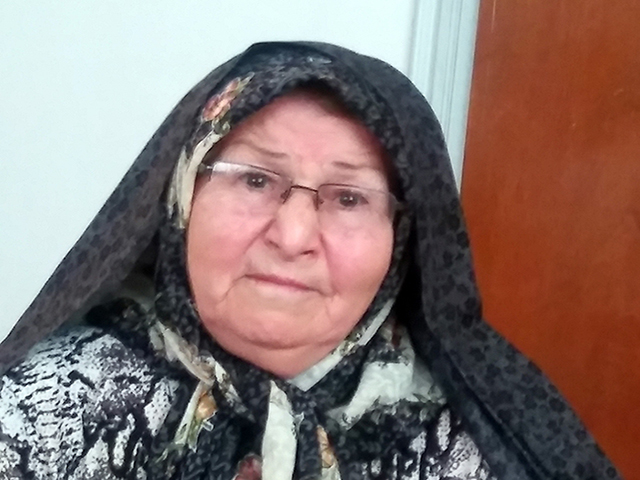
A mother’s grievances for her son incarcerated at MEK Camp in Albania

Ramin Abdollahi deceived by the MEK operatives into joining the group about 17 years ago.Since then he have had no contact with his family.

His aging,ailed mother regularly send letters to the international human rights bodies in order to help her contact his beloved son.

https://dlb.nejatngo.org/Media/Interview/Abdollahi_Ramin_Mum.mp4

her recent letter to the Albania’s PM, reads:

“Mr. Edi Rama, Prime Minister of Albania,
I, as a heartbroken mother, ask you and all the officials of the Government of Albania to accelerate the conditions and help me visit my dear son even just for a few seconds.
Thank you in advance for taking steps to respect human rights.“

July 15, 2020 0 comments
FacebookTwitterPinterestWhatsappTelegramSkypeEmail
Abdollahi and Orjola Pampuri
Mujahedin Khalq Organization members' families

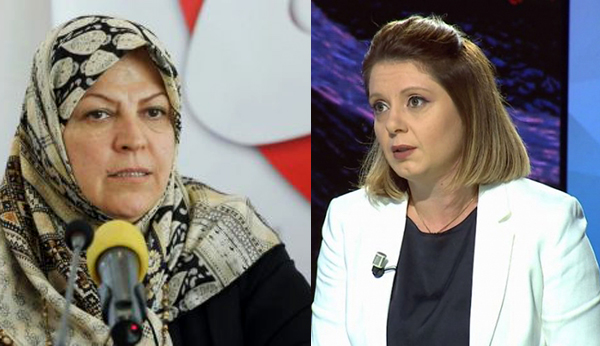
Mothers, the forgotten victims of MEK, respond to Orjola Pampuri

Ms. Pampuri, former MP

Greetings and kind regards,

According to a website of the Albania based Mojahedin-e Khalq Organization (MEK, MKO, Rajavi Cult), you have made a speech as an MP (even though you had resigned in 2019) for “the International Online Conference on Freedom and Democracy in Iran” on June 20, 2020, in an online conference held connecting about 2,000 locations around the world.

https://dlb.nejatngo.org/Media/Report/Abdollahi_Orjola_Pampuri.mp4

In your political message you addressed the people of Iran and showed your sympathy for them to the best of your knowledge. However, it appears you are not fully aware of the real situation of the MEK members in your own country, their estranged families and how much suffering they have endured for not having contact between loved ones for decades.

We are mothers of the Rajavi cult members. They are trapped in the MEK camp in Albania with no access to the outside world and they are banned from contacting their families. We wish to bring this painful situation to your attention.

We wish to draw your attention to the cultic practices imposed inside the camp and ask you to learn more about this from former members, the families and the critics of the MEK. If the MEK officials can connect 2000 locations at once, why can’t they arrange for their members to call their families?

The truth is that the MEK, like all other destructive mind control cults, has the following characteristics:
1. Suppressing critical thinking about the leader and the cult by the members, or even by outsiders, in the harshest possible way (no criticism);
2. Isolating members from the outside world, in particular their family and friends (no contact);
3. Penalizing the members for even thinking about leaving (no exit);
4. Seeking inappropriate loyalty to their leaders which means the members are practically the possessions of the leaders Massoud and Maryam Rajavi (modern slavery);
5. Denying the formation of family units (no marriage, no children, no family relations – mothers, fathers, spouses, offspring are considered as the main enemies, even more than the Iranian government);
6. Imposing strict boundaries of behavior (perverting normal emotional responses and spiritual beliefs and denying personal ownership);
7. Perversion from mainstream religious practices and imposing invented cultic doctrines outside actual scripture (under the guise of modern Shiite Islam).

We have just one humanitarian and rightful request. Since you have a close relation with the MEK and Maryam Rajavi, would you kindly act as an intermediary for the families, in particular the elderly mothers, to get in touch with their loved ones so we can at least, in the last days of our lives, hear their voice after the long decades.

Sorayya Abdollahi, on behalf of “Mothers, the forgotten victims of MEK”

July 15, 2020 0 comments
FacebookTwitterPinterestWhatsappTelegramSkypeEmail
Mazandaran families of nejat
Mujahedin Khalq Organization members' families

Make us happy by removing visa barriers to meet our loved ones in MEK Camp

Following the nationwide petition of the families with nearly 11500 signatures, a number of families of the members trapped in the Mojahedin-e Khalq Organization (MEK) camp in Albania from Mazandaran province (north of Iran), have sent separate messages and letters to the Albanian prime minister, urging him to enable them to visit or at least have video or audio contact with their loved ones.

Each of these letters was accompanied by photographs, specifications, and documents, and copies were sent to other Albanian officials, as well as to European and international officials and to the Albanian and international media.

The families also expressed concern about the health of their loved ones in the context of the outbreak of coronavirus disease.

Families are waiting for the Albanian government, as a humanitarian gesture, to respond appropriately to these demands and solve the problems ahead. Many of these families have not heard from their loved ones for decades now.

It should be noted that during these years, many families in Mazandaran province died while waiting to see their loved ones, and they never managed to find out about them, whose names are now missing in the attached list.
Other Mazandarani families also keep sending letters and messages to the Albanian Prime Minister.

Mazandaran families of nejat

The mailing list sent so far from Mazandaran province is attached.

Here are some examples of Mazandaran’s elderly mothers and fathers’ messages to the Albanian Prime Minister, whom Rajavi calls agents and terrorists:

Khadijeh Rezvan Yar Sarai, the mother of Mohammad Reza Khazaei, wrote to Albanian Prime Minister Edi Rama:”As a mother, why shouldn’t I even have a phone call with my son?”

Ali Asghar Ahangar, son, and Nasibeh Ahangar, daughter of Abdol Hossein Ahangar, wrote:”The MEK has deprived us of a father. Why shouldn’t we be able to talk to our father and hear his voice after so many years?”

Fatemeh Ashouri, Maryam Ramezani’s mother, wrote:”I miss my daughter very much. Why shouldn’t I hear her voice after years?”

Houshang Babaei Chamazekti’s father wrote:”I miss my son very much. Is it true that after so many years I cannot meet my son who is in your country, or at least hear his voice?”

Mohammad Reza Tavakoli the father and Zahra Rajabpour the mother of Alireza Tavakoli wrote:”We have not seen our son for more than 30 years. We miss him very much now and we suffer daily. As parents, why should we not meet or at least talk to our son?”

Safar Zare, the father of Ramazan Zare, wrote:”As a father, why shouldn’t I have the right to meet with my son or at least see his picture and hear his voice?”

Mohammad Oladi, the father of Abbas (Javad) Oladi, wrote:”I miss my son very much. The lack of communication and the inability to meet is very sad.”

Roghayeh Babaei, the mother of Majid Mohammadi Golafshan, wrote:”I have not heard from my son, who is at the camps of the MEK for more than 30 years. Make me happy by removing the obstacles on his way to meet or call me.”

Mrs. Ganjian, the mother of Mostafa and Mahnaz Ganjian, wrote:”As a mother, I miss my children very much. But unfortunately, your government is obstructing the issuance of visas to visit them.”

Farideh Abui, the mother of Mohammad Jafari Keshtali, wrote:”His father died while parting with our son, and I will always remember him. I request that an arrangement be made so that I can have a meeting with my son in Albania before I die.”

Kaveh Latifi, son of Mahmoud Latifi, wrote:”I have not heard from my father for more than 30 years. I am very eager to hear his voice at least once.”

Abbas Famil Zakeri, the father of Mohammad Hossein Famil Zakeri wrote:”I request you to make me happy by removing visa barriers to meet with my son.”

Ghanbar Ali Shabanpour, father of Hassan Shabanpour, wrote:”I miss my son very much. Why don’t you allow me, an old father, to visit my son once before I die?”

“I have raised my children with great difficulty over the years. Why can’t my husband at least talk to his children?“Wrote Mahrokh Rabbani Div Sheli, the wife of Massoud Tusi Bakhsh.

Hassan Tusi Bakhsh and Milad Tusi Bakhsh, sons of Massoud Tusi Bakhsh, wrote:”We are very sad that we cannot hear our father’s voice. Rajavi deprived us of having a father and did not even allow us to hear his voice once.”

Abazar Zabihi, the son of Fatemeh Fekrian, wrote:”Why shouldn’t I have the right to hear my mother’s voice after 30 years and communicate with her?”

“Is it a crime to want to hear my daughter’s voice after 30 years?“Wrote Roghayeh Kiani, Mehri Qadirzadeh’s mother.

Shahnaz Bagheri, the wife of Ahmad Rezaei, wrote:”After my husband was captured, I raised my children with great difficulty. Now why don’t they at least allow him to visit his children?”

Khairullah Sabet Rostami, father of Mohammad Mehdi Sabet Rostami, wrote:”I miss my son very much. Doesn’t this make you wonder why the MEK prevents a son from having at least one contact with his father?”

Hadi Shabani, Iraj Salehi, Mohammad Goli – Nejat Society, Mazandaran Representative

July 14, 2020 0 comments
FacebookTwitterPinterestWhatsappTelegramSkypeEmail
Mujahedin Khalq Organization as a terrorist group

A Step Further Than Saddam Hussein!

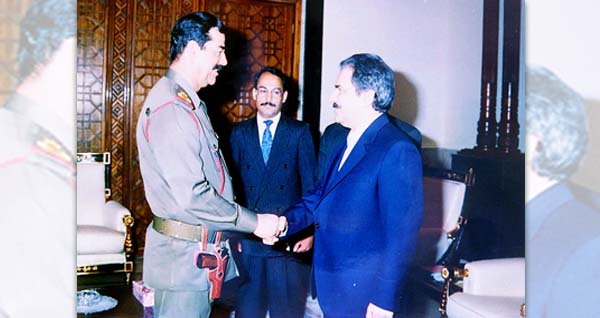
Saddam Hussein’s regime was widely regarded as the sole state supporter of the Mojahedin-e Khalq Organization (MEK, MKO, Rajavi Cult). Massoud Rajavi went to Iraq in June 1986 after meeting with then Iraqi Foreign Minister and Vice President Tariq Aziz, and moved his forces there, forming the National Liberation Army as a ‘private army’ in Saddam Hussein’s military and security system.

At that time Iraq became the main stronghold of the MEK, and Saddam Hussein became the only state supporter of Massoud Rajavi and his armed forces. Rajavi was actively involved in the Iran-Iraq war, though on the side of the aggressor enemy and against the border guards and defenders of the homeland, and because of this great national betrayal, he became extremely hated by the Iranian people. He destroyed what was left of his popular base in exchange for Saddam Hussein’s substantial support for gaining power in Iran.

This situation continued until the coalition forces invaded Iraq in 2003 and Saddam Hussein was toppled. During this period Massoud Rajavi and his forces continued their terrorist activities inside Iran with the full support of the Ba’athist regime in Iraq. The fall of the dictator in Baghdad brought about dramatic changes for the MEK. Massoud Rajavi’s time was over and he was forced into hiding. Maryam Rajavi went to Paris as the new figurehead of the cult, and the MEK forces in Iraq were disarmed and corralled into a single US guarded camp.

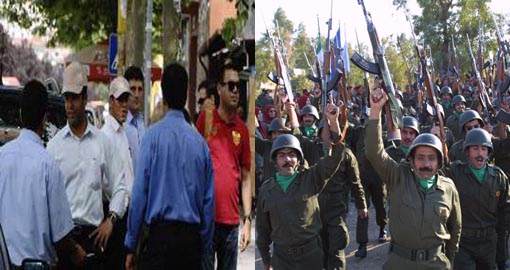
Iraqi police at ashraf camp

The MEK leaders had enjoyed extremely good conditions in Iraq under Saddam Hussein and were able to gather their forces in isolated and remote camps where they could cut off members’ contact with the outside world, especially with their families and friends.

After the fall of Saddam Hussein, each successive sovereign government of Iraq, one after another, called for the expulsion of the MEK as a threat to national security. Rajavi did his best to stay in Iraq and not lose Ashraf garrison and the border with Iran; he hoped that a spark would re-ignite the war between the two countries. He even opened an account for the US invasion of Iran and planned the conditions for entering the country. Finally, after many hardships, the rest of the MEK left Iraq in late summer 2016 and arrived in Albania under an unconventional agreement. Albania was the only country ready to accept them. Members of the organization were admitted collectively without proper asylum status or travel documents in violation of UN rules.

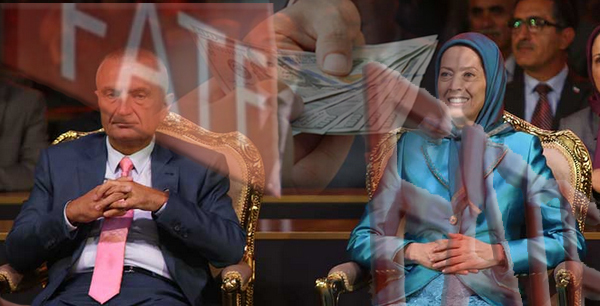
How Could Albania's Hosting of the MEK Affect Its Inclusion in the FATF’s Grey List?

Unlike in Iraq, the MEK in Albania did not have an isolated and remote camp to gather in. This was not sustainable for the organization as it experienced a daily decline with tens of members deserting the group. The original plan was for Albania to be the mediator country and from there the process of deradicalization, rehabilitation and distribution of the MEK combatants into various European and American countries would begin. Accordingly, a number of them were accepted by the United States. But with the emergence of the Trump administration and the rise to power of warmongers such as John Bolton, this trend changed and the MEK were moved to a US-provided camp, where the leaders were able again to impose coercive methods of control in the same way as Camp Ashraf in Iraq. Interestingly, this new camp was given the name Ashraf 3 – an acknowledged continuation of Ashraf’s infamous and notorious garrison in Iraq.

In Iraq under Saddam Hussein, Rajavi and his cult had restrictions imposed on them because of national security issues. They were not allowed to leave their camps. Their movement outside the camp for essential matters such as visiting doctors or attending hospital was possible only with the escort of Estekhbarat (the Intelligence Protection Organization of the military and law enforcement forces) agents. They did not have the right to communicate with the Ministry of Foreign Affairs, Members of Parliament, Ministers, government officials, businessmen, police officers, municipal authorities, and so on. They were limited to communicating with the Ministry of Defense and the Army. They were not even allowed to communicate with the Mokhaberat (Intelligence and Security Organization). They were not allowed to refer to the Iraqi media and citizens. Even to buy their necessities, they had to act through army intelligence officers who were permanently stationed in the MEK garrisons. They had no right to engage in any economic, social, political, or propaganda activities inside Iraq, and were entirely under the control of Iraqi military intelligence. The routine meetings of Massoud Rajavi and other leaders of the organization took place only with officials of this body and they resolved all their issues through it. Even to leave the country or enter Iraq, they had to go through this channel and not through the normal and official channels of the country. Immediately after accepting the ceasefire between Iran and Iraq under Saddam Hussein, Iranians could easily obtain visas and visit Iraq. Instead of restricting all Iranian citizens, the government restricted the MEK.

But the MEK face no such restrictions in Albania. The open hand that Edi Rama – at what cost and for whose interests it is not clear – has given to the MEK in his country has allowed the MEK to extend its malign influence into every aspect of the country’s governance, while ordinary Iranians are banned from visiting the country. The MEK are free to protest against an article in the Gazeta Impakt that they did not like, and write an open letter, shamelessly calling for legal action against it, and Albanian citizens such as civil rights activist Olsi Jazexhi, lawyer Migena Balla, and journalist Gjergji Thanasi, have been threatened and slandered for displeasing the MEK. Was Rajavi allowed to act in this manner against Saddam Hussein?

It is worth noting then that Albania’s Prime Minister, Edi Rama, has taken a step further than Saddam Hussein to support the Rajavi Cult, to the point where he has endangered the national security of his country and even Europe. If Edi Rama has real authority to govern his country and does not – as it appears he does – have to obey the demands of foreigners, he needs to think a little harder about his country’s national interests and think about why Saddam Hussein had limited the MEK in Iraq so much and why subsequent Iraqi governments after Saddam Hussein insisted on expelling the MEK from Iraq? The answer to this question would certainly serve to enlighten Albanian public opinion and clarify the nature of their current government.

By Atefeh Nadalian, Translated by Iran Interlink

July 14, 2020 0 comments
FacebookTwitterPinterestWhatsappTelegramSkypeEmail
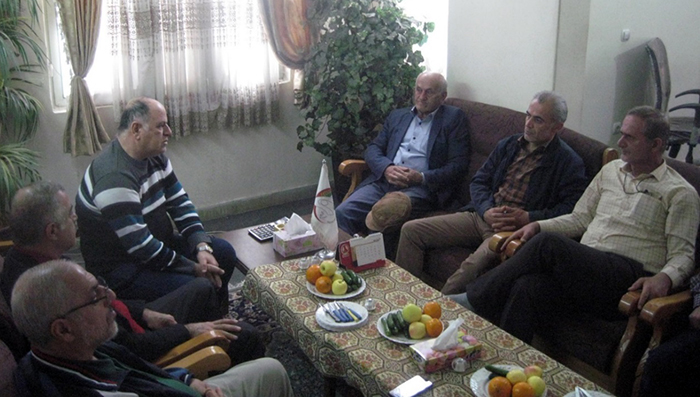
Nejat Society meeting at Miyandoab
Mujahedin Khalq Organization members' families

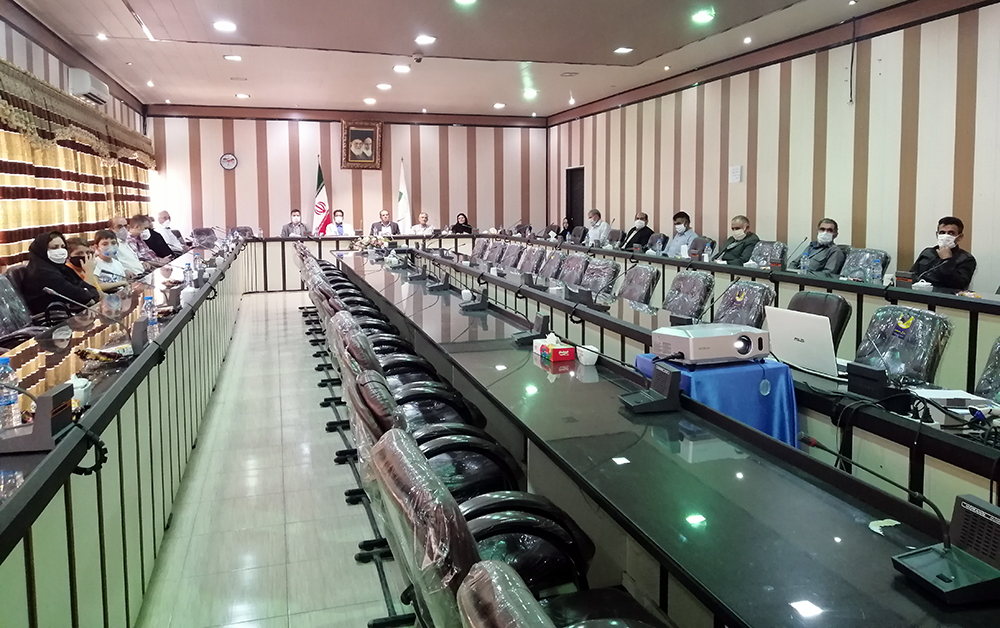
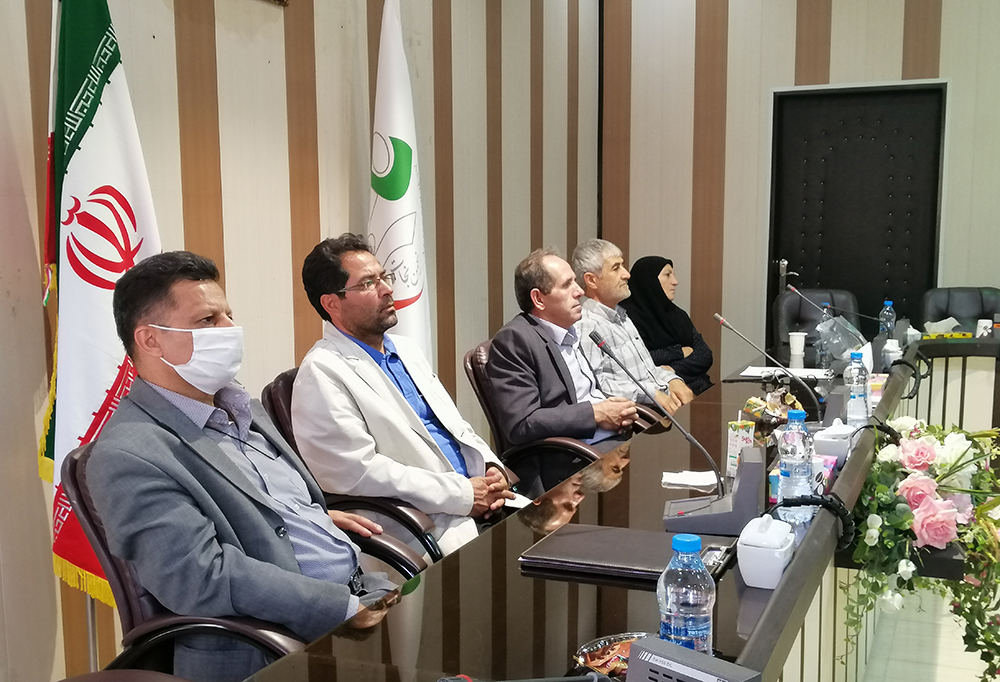
MEK members’ families gathered together

The gathering of suffering families whose beloved ones are being held in an isolated remote camp of MEK in Albania.

meeting- Miandoab- orumiya

The children of some of these families were either soldiers who become POW and then represented to the MEK by Saddam Hussein’s forces after their captivity or they were porters who were captured by Iraqi forces in the border areas and handed over to the MEK or were in Iran’s neighboring countries and have been deceived by the MEK operatives under the disguise of the so called job-finders and sent to Iraq.

Despite the ways the MEK members were captured they all have a common problem:

They are not allowed to visit in person or even make phone call to their own families!

https://dlb.nejatngo.org/Media/Meetng/Miandoab_Families.mp4
July 13, 2020 0 comments
FacebookTwitterPinterestWhatsappTelegramSkypeEmail
Mohamamd reza nowroozi family from sarbandar khuzestan
Mujahedin Khalq Organization members' families

Interview: Nowruzi family appeal the Albanian gov. to allow visit their brother in MEK camp

Dr. Olsi Yazhchi interviews Nowroozi pur family

Their brother ; Mohammad Reza joined the MEK in 1985. He is now in his 60s. during all these years he have had no contact with his family except a few calls during the Iran-Iraq War.
Mr. Alireza Nowroozi pur, Mohammadreza’s brother says:” my brother ,Mohamamdreza joined the MEK, 35 years ago. Since then he have had no contacts. He just called us a few times during the war.

The calls was organized in order him to get information from inside the country but not to hear our voice or get news from our well being. When the organization realized that they could not elicit any information from our family,the calls were cut off…

My parents passed away without seeing their dear son. It is a big organized crime against humanity.

Our only request is to know about my brother’s well being.

Watch the full interview and the family’s message to their brother at the MEK Camp :

https://dlb.nejatngo.org/Media/Interview/Nowroozi_Mohammad_Reza_Fa_Gazeta.mp4
July 12, 2020 0 comments
FacebookTwitterPinterestWhatsappTelegramSkypeEmail
Mujahedin Khalq; A proxy force

Tectonic Shift In World Order After Unforced Error By Trump

Anyone who believes that President Trump’s order to illegally assassinate Quds Force leader Qassem Soleimani, Iraqi militia leader Abu Mahdi al-Muhandis, and several more Iraqis, was an act of strength has not been properly paying attention. This is the latest in a series of stupid policy errors by this administration which have not only strengthened the hand of America’s enemies but have also now ensured that the rest of the world, with the exceptions of Israel and Saudi Arabia, now at best views the U.S. with mistrust, or at the very worst hate America more than any other country on earth. This is a remarkable achievement for a man who promised to end the “endless wars” and “drain the swamp.”

Trump started his presidency with the ambition of overturning the Obama administration’s achievements. However, he inherited a foreign policy already predicated on waging war and which was soon re-staffed and promoted by Republican warmongers. In this context, withdrawing unilaterally from the Iran nuclear deal might have appeared to be a strong-arm tactic to Trump, but to America’s allies in Europe it looked like a betrayal, and a slap in the face. Still, none were willing to come out on the side of Iran at that time. Even Russia and China were holding back at that stage. So, what were the steps in between which culminated in late December in an unprecedented four days of joint naval manoeuvres between Iran, China, and Russia in the Indian Ocean and Gulf of Oman? What happened to embolden this trio to flex military muscle in the Middle East?

A review of these steps reveals that the blinkered aim of the Trump administration’s foreign policy to manufacture regime change against Iran by any means possible including all-out war has in fact resulted in the opposite result. Regime change is now in its coffin and the assassination of Soleimani is the last nail hammered in.

Instead of promoting freedom and democracy in the Middle East, American interference is destroying every possibility of ordinary people rising up and demanding change from their own governments. In Syria, the people rose up against President Bashar al-Assad because of genuine grievances against that regime. The outcome of U.S. support for Sunni extremists in Syria has been a swing from people supporting the American aim of ousting Assad to rallying behind their own terrible government to save them from the spread of Islamic fundamentalism. With an irony that can be lost on no one, authoritarian Russia and the theocracy in Iran are now allies of Syria in that struggle.

Tectonic Shift In World Order After Unforced Error By Trump 1

In another reckless act of overturning Obama’s legacy, the new Trump administration halted Hillary Clinton’s plan to de-radicalise the Mojahedin-e Khalq (MEK) in Albania. Since then, American anti-Iran politicians have stuffed the MEK down the throats of the international community as the regime change opposition that will bring freedom and democracy to Iran. Since Iranians hate the MEK more than the current Islamic Republic, this has been a gift to the hard-liners in Iran. To quell every protest or demonstration since then, Iran’s security forces have only to claim that MEK are involved in inciting violence for the ordinary people to go home and announce their abhorrence of the MEK.

American actions are consolidating people around their own hated governments instead of helping them express their legitimate demands. Secretary of State Mike Pompeo’s response to the anti-government protests in Iran in November was to repeat false information published by the MEK about the death toll. When Pompeo retweets MEK propaganda it destroys any trust among Iranians that the U.S. has their interests in mind.

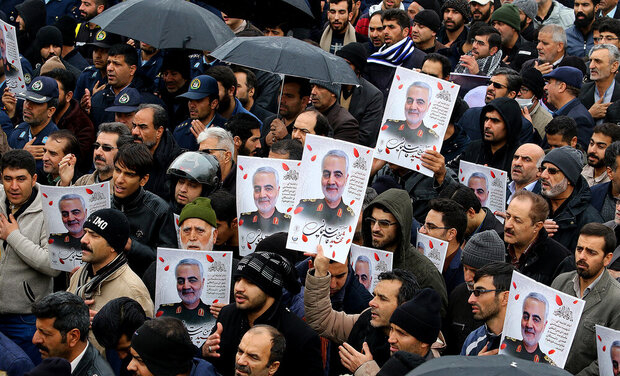
In another remarkable example of how Pompeo has frittered away American power and influence, just weeks ago, disgruntled Iraqi citizens were in the streets demonstrating against Iranian interference in their country. Instead of supporting them, Pompeo oversaw the U.S. bombing of Iraqi militia forces that were fighting against ISIS. The Iraqi people cannot take the U.S. side over this no matter how anti-Iran they are. If America had done nothing, said nothing, Iraqi people would still be in the street demonstrating against their own government. Instead, different Iraqis attacked the U.S. Embassy in Baghdad. Now, in a pivotal act of hubris, the illegal assassination of Soleimani and Iraqi militia leaders at an international airport not only allows Iran to describe the U.S. as a terrorist state, but has brought Iranians of every belief together to rally together to mourn a national hero, the man who saved Iran from ISIS.

But it would be a mistake to believe that the U.S.’s Middle East foreign policy mistakes only impacted that region. In 1981, France gifted the CIA some land to host the MEK outside Paris from where they could plan their armed resistance to the new regime. Although France did not use the MEK politically as America did, their presence was tolerated. Until, that is, MEK activities began to impact European security and democracy.

In 2017, John Bolton, just before he became Trump’s National Security Advisor, promised the MEK they would celebrate in Tehran before the 40th anniversary of the Iranian Revolution in February 2019. That did not happen, of course. But events subsequent to this promise certainly indicated there were already plans afoot to use the MEK to undermine European policy toward Iran. A bomb plot against the MEK in France was discovered by security forces in France and Belgium to have been a false-flag operation by the MEK used to blame and demonize Iran. After numerous acts of violence and confirmation that the MEK had funded Spain’s far-right Vox party in its EU election bid, several European countries, including Germany and the Netherlands as well as France and Belgium moved to expel MEK leaders, including leader Maryam Rajavi, to Albania.

In Albania, the MEK have caused multiple headaches for the government and the opposition there. The worst result of which has been the EU’s refusal to allow Albania to join the union. After kicking out the MEK, no European country would allow them to enter through the back door again.

Significantly, what these policy steps over time have revealed to America’s foes and her friends alike is that the U.S. cannot be trusted. The Trump administration has shown a reckless disregard for normal behavior in the international scene. It acts with callous cruelty and indifference against enemies and allies alike.

The unwanted assassination of Soleimani will result in tectonic shifts in the world order. No matter how hard mainstream media in the West works to normalize America’s actions, security and military experts the world over will have their own ideas about what the future holds.

Responsible Statecraft,

July 12, 2020 0 comments
FacebookTwitterPinterestWhatsappTelegramSkypeEmail
Newer Posts
Older Posts

Recent Posts

  • Expectations of human rights bodies regarding censorship within the MEK

    October 13, 2026
  • The Jamalis’ Plea for Help: Save Our Brother from the MEK!

    October 11, 2026
  • Testimonies of Participants in the MEK’s Staged Propaganda Stunt in Karaj

    October 7, 2026
  • Giuliani’s MEK ties have dogged him for years

    October 6, 2026
  • The Tragic Impact of MEK Isolation on Yazdan Teimorian and His Family

    October 5, 2026
  • Facebook
  • Twitter
  • Instagram
  • Youtube

© 2003 - 2025 NEJAT Society . All Rights Reserved. NejatNGO.org


Back To Top
Nejat Society
  • Home
  • Articles
  • Media
    • Cartoons
    • NewsPics
    • Photo Gallery
    • Videos
  • Publications
    • Books
    • Nejat NewsLetter
    • Pars Brief
  • About Us
  • Contact us
  • Editions
    • عربي
    • فارسی
    • Shqip