Nejat Society
  • Home
  • Articles
  • Media
    • Cartoons
    • NewsPics
    • Photo Gallery
    • Videos
  • Publications
    • Books
    • Nejat NewsLetter
    • Pars Brief
  • About Us
  • Contact us
  • Editions
    • عربي
    • فارسی
    • Shqip
Nejat Society
Nejat Society
  • Home
  • Articles
  • Media
    • Cartoons
    • NewsPics
    • Photo Gallery
    • Videos
  • Publications
    • Books
    • Nejat NewsLetter
    • Pars Brief
  • About Us
  • Contact us
  • Editions
    • عربي
    • فارسی
    • Shqip
© 2003 - 2024 NEJAT Society. nejatngo.org
Europe

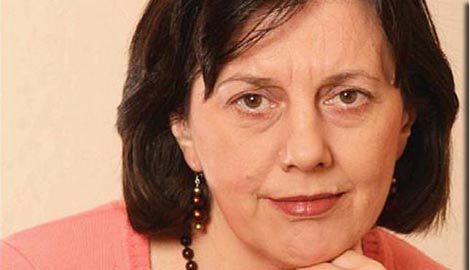
Ana Gomes: Mojahedin Khalq will bring the problems of Iraq to Albania

At the AFET Committee – Debriefing on mission to Saudi Arabia, Kuwait and Iran

Ana Gomes, S&D Member of the European Parliament, participated at a joint AFET/DRO (Committee of Foreign Affairs and Sub-Committee of Human Rights) to Iran, Saudi Arabia and Kuwait from 11-15 February 2018. At the last AFET Committee meeting, Ana Gomes debriefed the members on the outcomes of the mission.

https://dlb.nejatngo.org/Media/Meetng/Ana-Gomes-MEK_Albania.mp4

To download the video file click here

From 5:17 minutes…

“I just want to end with one matter, our responsibility in the parliament. I met with relatives of the victims of the terrorist organisation called MEK, Mojahedin of the people, National Council of whatever, revolutionary Iran. And they used to be a tool of Saddam Hussein. They are now in Albania. They are creating trouble in Albania, trouble that will come to haunt us. And we cannot continue to allow some members in this parliament out of, possibly out of naivety, to continue to abet some of the members of this organisation. Which are keeping people hostage, namely in Albania. Now I met with relatives in Iran of those people that cannot establish contact with their children, with their relatives because of this sect (cult) preventing that. We in the parliament cannot continue to turn a blind eye on our responsibility.

also:

Albanian based MEK terrorists threat to security of EUP says Ana Gomes MEP

MKO former member meets EUP representative in Brussels


February 27, 2018 0 comments
FacebookTwitterPinterestWhatsappTelegramSkypeEmail
Human Rights Abuse in the MEK

MKO defectors in Geneva Summit for Human Rights and Democracy

A number of defectors of the Mujahedin Khalq Organization (the MKO/ MEK/ PMIO/ the Cult of Rajavi) attended the annual conference of Geneva Summit for human rights and democracy on February 20, 2018.

According to a report by Peyvand-e Rahaiee –an association founded by the defectors– Ghorban Ali hosseinnejad, Batul Soltani, Davoud Baghervand and Amir Movasaghi met various human rights activists, authorities of the Summit and politicians in order to express the voice of victims of the MKO as a cult-like system that isolates its victims in the outskirt of Tirana Albania forbidding any contact with the outside world even with their families.

The annual conference of democracy and human rights is an opportunity for revelations on violation of human rights in different countries, organizations and establishments. Therefore, the MKO former members revealed facts on human rights violations in the modern slavery system of the Cult of Rajavi that manipulates the victims changing them into robots.

The survivors of the Cult of Rajavi introduced themselves to the authorities giving testimonies on the abuses they underwent during their membership in the cult.

As a woman who was sexually abuse by the leader of the cult, Massoud Rjavi, Batul Soltani testified in the event.

The defectors asked the authorities to be the voice of the victims of terrorist extremist groups such as the MKO, ISIS and Boko Haram in the human rights bodies and the United Nations, reported Peyvand-e Rahaiee. They warned that focusing on human rights violations by the states should not distract the human rights bodies from severe human rights violation that is taking place in the extremist cults on daily basis.

also:

Memoirs of Ms. Soltani ex- Member of PMOI’s Leadership Council

PMOI Leadership Council’s women SALVATION DANCE

Women Rights in the Mujahedin Khalq

February 26, 2018 0 comments
FacebookTwitterPinterestWhatsappTelegramSkypeEmail
Iran

Iran: Saudis have officially announced their commitment to use terrorism

Mohammad Javad Zarif is the foreign minister of Iran.

This interview was conducted by FRONTLINE’s Martin Smith on Feb. 20, 2017

for the documentary Bitter Rivals: Iran and Saudi Arabia. It has been edited in parts for clarity and length.

What was the meaning of the Iranian revolution of 1979?

I guess different people have different impressions of the revolution, but I believe that it was a demand for dignity on the part of the Iranian people. They wanted recognition for who they were, for their history, for their identity.

Do you think Americans generally understand the Iranian experience prior to the revolution?

I guess not. I believe the American people have not been subjected to the type of indignation and lack of respect that the people of Iran were subjected to, although they were a close ally of the United States. But you could feel that Iran was not receiving the respect that it deserved.

And how was that revolution received on the Arab street, across the region?

Well, to be honest with you, I was in the United States, so I know how it was received in the U.S. I do not have a personal experience of how it was received in the Arab street, but from what I read, there were two reactions, one by the Arab masses, who saw the possibility of ridding themselves from dictatorships. Didn’t mean that Iran wanted to do it for them. It just provided the example that people without any foreign help were able to engage a very brutal regime, supported by primarily by the United States, and defeat it.

So that was one message that was received, I believe, in the Arab street. And there were jubilations. On the other hand, the Arab governments, some of them, because of this possible implication for the future, started to guard against this revolution and without anything having been done on the Iranian side, started to prepare to defeat this. The most vivid example of that was their arming, financing and supporting for eight years a brutal aggression against Iran.

I want to talk about that in a minute. Let me ask you a couple more questions about the revolution, because indeed, there were demonstrations and support from the Arab street. What made this a seismic event that shook not just the region but around the world [was] that this was a religious revolution.

Well, actually, it was a revolution that received its inspiration from the teachings of the Islamic religion, but not necessarily a religious uprising.

Adel al-Jubeir, your counterpart, foreign minister of Saudi Arabia, calls it a Shia revolution. Was it a Shia revolution?

Well, you see, they feel threatened because of the wrong choices that they have made. Starting with Saddam Hussein, continuing with Al Qaeda, with Daesh, with Al Nusra [Front], they made all the wrong choices. Now, in order to be able to one way or the other justify what they’re doing, they have to do this name calling.

Iran has supported the cause of Palestine. Is Palestine a Shia revolution? Are Palestinians Shiites? We have paid the heaviest price for our support for the Palestinian people. I don’t believe even a minute percentage of the Palestinian people are Shiites, so I think they need to think twice before they make such ridiculous statements.

Are you saying it was not a Shia revolution?

No, because it’s an Islamic revolution, because it brought everybody together, and it reverberated, as you said, throughout the Islamic world. People try to portray it as a Shia revolution, and since then tried to propagate a message of hatred throughout the world with a lot of money.

Now, that message of hatred created all these cells in every corner of the world that are now coming to haunt the supporters of the Saudi regime. You see that every extremist terrorist organization has its roots, ideological roots, without any exception, in the teachings, in the books and literatures that have been propagated, published and sent across the world, spending a lot of petrol dollars providing the teachings that provide the foundations for this extremist ideology.

But yet those Salafist cells that you’re talking about, those Wahhabi cells that you’re referring to, do not attack Iran, but they attack Saudi Arabia regularly.

Yes, because they do not find sympathetic populace in Iran. They cannot take refuge in Iran. They do not have houses, businesses who support them in Iran. All of it comes from Saudi Arabia. Look at how many messages of support for Daesh comes from Saudi Arabia and other Arab countries of the Persian Gulf. This is an unfortunate fact. You know why? Because we believe that instability in Saudi Arabia, instability of the government of Saudi Arabia, instability of any government in our region is a threat to our national security, because you cannot live in a non-secure environment and enjoy security.

This is just impossible. That is why, although these terrorist groups do not have sympathizers with Iran, our intelligence has to be very careful, because on a daily basis, they’re trying to infiltrate from other countries into Iran. And some of them continue to this day to receive financial and military support from Saudi Arabia.

You know, you talked about the fear that the governments of Gulf [nations], and Saudi Arabia in particular, felt after witnessing your revolution. At the same time, Imam Khomeini called for the downfall of Gulf monarchies and the House of Saud.

We did not take action against any country. We make our views clear about the nature of governments that were submissive to the United States, governments that were presenting a message of hatred.

But back in 1979, there were radio reports coming out of Iran calling for Shia in the Eastern province of Saudi Arabia to rise up against the monarchy.

Well–

That sounds like interference to me.

We always rejected the use of force against governments. We may have encouraged people to ask for their rights.

But that’s interference in their internal affairs. You say you have no sort of aggression against these governments.

I like to see that really observed, because I saw that a few years ago from the floor of the Senate, people were sending messages to the Iranian people to rise up against the government.

I’m not saying that’s right. One thing does not justify the other.

But people are not making a lot of fuss about it, saying that the United States wanted to overthrow the Iranian government. People express their views. In today’s world, expression of views, particularly by radio and television, if these are to be considered calls for revolution and calls for overthrow of the government, then you would have a very difficult time looking at the record of many countries, including the Saudi former chief of intelligence going to Paris, participating in the rally by a known terrorist organization and telling the terrorist organization that we are with you as you overthrow the Iranian government. This is an official member of the royal family, an official of the Saudi government, who goes and makes these statements.

This was at an MEK [People’s Mujahedeen of Iran, or Mujahedeen-e-Khalq] rally?

Yeah. And we’re talking about 2017, not during the emotional days after the victory of the revolution, where emotional statements were rather normal under those conditions.

The Saudis say that you don’t recognize citizenship of others; that you identify people as Shia, whatever country they are in, and do not recognize that they are citizens of those countries.

In fact, that couldn’t be further from the truth. Iran recognizes the authority of every government over its entire population. And that’s the end of the story. We do not differentiate between the citizens of other countries, as we do not differentiate between our own citizens.

The other day you made a very impassioned speech in defense of your missile test.

It wasn’t the other day. It was last year, but we retweeted it.

But wait a minute. You used that as a retweet to defend against the missile strike that followed the Muslim ban in the United States?

It wasn’t a missile strike. It was a missile test.

It was a missile test—

It wasn’t a response to the Muslim ban, because the missile test was just a regular, normal, unannounced missile test because it wasn’t something extraordinary. We are required to produce our own means of defense, because the United States conducts a campaign of preventing Iran from acquiring its means of defense. That campaign started during the Iran-Iraq War, so we have to do our own defense.

I don’t think it’s a war that Americans understand very well. Your generation that now leads Iran you were all shaped by that experience.

That is a very unfortunate fact that people have short memories. And actually, some of them may not want to remember what happened.

When Iraq invaded Iran on the 22nd of September, 1980, everybody expected the Iranian government to fall within seven days. That is why the [United Nations] Security Council did not issue a resolution until the 29th of September. A massive aggression had taken place. Thousands of kilometers of Iranian territory — this was a shock-and-awe operation almost. Thousands of kilometers of Iranian territory had already been taken. Not a single word. People were waiting for the regime, for the new revolutionary government, to fall.

Took seven days for them to realize that it wouldn’t be as rapid as they had hoped. So on 19 September 1980 the Security Council issued its first resolution, and it’s just horrendous, because it doesn’t even follow the usual protocol. You know, when there is a war, almost cliché for a Security Council resolution is to ask for cease-fire and withdrawal.

Didn’t. It just asked for cessation of hostilities, not even for withdrawal. And that was the only resolution the Security Council issued, Resolution 479. Then the Security Council went home. For two years, our people had to single-handedly defend their country. Everybody was supporting Iraq. Not a single piece of equipment came officially to Iran. We went and purchased through unofficial means, paying exorbitant amounts–

On the black market?

On the black market.

And you were up against?

We were up against the most serious campaign by the United States to prevent, and we were up against a regime that was receiving equipment from almost everybody. The Americans provided it with AWACS [Airborne Warning and Control System] intelligence. The French provided it with Mirage fighters. The Russians provided it with MiG fighters.

And the Saudis?

The Saudis provided it with all the money they need. The Kuwaitis put their ports at their disposal, and they provided them with money. People started selling oil for them so that they would be able to finance this aggression for eight years. The Germans provided them with chemical weapons. Chemical weapons started to be used in Iran-Iraq War as early as 1984, and they were started to be used in large quantities in 1985. I’ve got to give you some stories here.

Please.

I went to the president of the Security Council. I believe I was then a young diplomat, but acting in our mission in New York, I went to the president of the Security Council, who probably had a diplomatic background equal to my age. I was just about 26, and he had been a diplomat for more than 26 years, and they usually reminded me every time that I went to see them of that fact. And this very seasoned diplomat, when I went to him and told him that Iraq was using chemical weapons against us, told me, “I’m not authorized by the Security Council to talk to you about this.” So going back to the first two years, the first Security Council resolution after 479, which was issued on 29 September 1980, was issued in June or July 1982. And you know when that day is? That’s the date which liberated our cities from Iraqi occupation.

Then the Security Council came to the conclusion that it had to call for withdrawal of troops to the internationally recognized borders because they were worried that we will go in Iraqi territory.

It was around that time then that you were offered a cease-fire, and you rejected it. Why?

No. No. We were–

You say no.

You see, offers were made, but there were conditionalities attached. This guy has invaded us, has bombed us, destroyed our cities. I mean, we had gone through two years of international deafening silence when we were protecting, defending and liberating our cities.

Was it a mistake to reject the cease-fire?

No. In in 1988, we had a Resolution 598, which addressed Iran’s major demand, that Iraq was responsible to initiate this war. That was very important for us.

But a lot of lives were lost in the interim–

It’s the unfortunate situation.

–for that principle.

That’s a question that the Iranian people need to ask the international community. Why didn’t anybody in the international community say a word about the Iraqi use of chemical weapons? I believe the international community owes Iran an explanation for its disastrous behavior. Iran doesn’t owe anybody any explanation for defending itself.

OK, let’s go to the other side. That’s what you say. I understand. Clearly you were aggressed upon. Clearly Saddam Hussein was supported by all these countries that you name. There’s no debate about that. On the other hand, the Saudis insist that Iran is a hostile, belligerent, adventurous nation attempting to export revolution around the region. How do you respond?

Well, talk is cheap. Let’s look at the actions. Saudis helped Saddam Hussein for eight years. Saudis helped Al Qaeda. Saudis created Daesh. Saudis created Al Nusra. Saudis are funding terrorists who are operating in eastern Iran.

Let’s grant you–

So I’m not I’m not making accusations. I’m talking about facts. All he’s talking about are accusations. These are not facts; these are accusations. But what I’m saying are facts. Can anybody contest the fact that Saudis helped Saddam Hussein? Can anybody contest the fact that out of the three governments that recognized the Taliban in Afghanistan, Saudis were one of them? Can anybody contest the fact that Saudis financed Daesh and Al Nusra?

I’m not arguing that. But you’re saying all these accusations, whether it’s the Marine barracks explosion in 1982 or the Khobar Towers attack, or the blowing up the Jewish Center in in Buenos Aires, or the assassination attempt against Adel al-Jubeir in Washington, all of that is untrue?

I’m saying that Iran had nothing to do with any of it.

You’re saying that these were actions by proxies?

No, no, no. Iran directly or indirectly had nothing to do with it.

  1. All right.

And I mean, Adel al-Jubeir should respond for the actions of his government. He’s not representative of the international community. I don’t think anybody gave him that responsibility nor can he aggregate it to himself. I mean, he lived in the U.S., just like me, a bit too long to understand that he represents Saudi Arabia, not the international community, because people who listen to Americans talk think anybody can speak on behalf of the international community.

We’ll ask him the same questions.

Neither the United States nor anybody else, particularly Saudi Arabia, with its bright record of every atrocity, can speak on behalf of the international community.

You know, there’s a certain point, though, listening to the two of you, and I just sat down with Jubeir yesterday, and then I’m sitting here with you today, is that it feels like you guys need to stop talking to people like me and talk to each other.

We have talked to each other.

When was the last time you talked to Jubeir?

The last time that I saw him was on the sidelines of an international conference. But I don’t mind talking to him. I have no difficulty talking to him. And you see, I never start — I never even start these debates. When you ask me a question, you saw my statement yesterday, please, if I didn’t mention Saudi Arabia even once. Not a word about Saudi Arabia.

Let’s talk about things that really get under their skin. One of those is your support for Hezbollah. Why did you decide to support Hezbollah in Lebanon? What’s the strategic value of that?

First of all, it’s none of their business.

Well, why is it your business?

Because we believe that Hezbollah is a force for resistance, a great asset for the Lebanese people. It has representation in the Lebanese Parliament. The question that needs to be asked is why are they supporting terrorist extremists who are blowing up Lebanese inside Lebanon? I mean, the man who was responsible for the attack on the Iranian Embassy two years ago in Lebanon, which killed our cultural attaché, was a Saudi citizen. The man who masterminded it was Saudi. Why is it that they are doing this? Hezbollah is a political party in Lebanon; has the brave history of liberating Lebanon from Israeli occupation; has been a force for stability in Lebanon. The Saudi government has tried to undermine this, has tried to interfere in the Lebanese internal affairs.

We were the first who announced during the process for presidential election that people have to stop interfering in the internal affairs of Lebanon and allow the Lebanese themselves to form a government, and that is why immediately after the Saudis stopped vetoing people. I mean, it’s interesting. Saudi Arabia vetoed the Lebanese president for two years, and as soon as they stopped vetoing and they had a government, I was the first foreign minister to go to Lebanon to meet both with the president and with the prime minister, Mr. [Saad] Hariri. And I promised both of them the full support of the Iranian government in building Lebanon, in building consensus, which is their job, not ours. Their job. They’re Lebanese. They’re more advanced democratically and politically than most countries in the Arab world, so we need to leave them to their own device so that they could make the right decisions for themselves. We should be there to facilitate.

And we should be there to facilitate other peaceful developments in the region. We should not dictate. Neither Iran nor Saudi Arabia are in no position to dictate to the people of the region. We should stop this arrogance. As two major countries, we should help end the war in Iraq. We should help end the war in Syria. We should help end the repression in Bahrain. We should help end the atrocities in Yemen. And we’re prepared to help.

You complain about Saudi interference in Lebanese affairs.

No. I’m complaining about them trying to dictate. I’m complaining about them trying to decide for the Lebanese. In today’s world, talking about interference in the terms that you just alluded to it almost impossible. All people express their views about what’s happening.

All people have friends in various countries. All countries have influence in various countries. What is important is that this influence, the friendship, the relations should be used to facilitate reconciliation and dialogue and not to dictate your views and your positions.

You support Hezbollah with how much money every year?

Well, I’m not privy to that information. Hezbollah is an organization in Lebanon that has huge support from the Lebanese community–

Receives money from the government of Iran, many millions of dollars from you–

Has provided assistance for reconstruction of Lebanon. But that assistance went to anybody whose houses were destroyed by the Israelis. Anybody whose houses were destroyed. We offered to provide assistance to the Lebanese military. We have offered to build power plants. And this offer goes directly to the Lebanese government, no matter who’s the prime minister, Hariri or Tammam Salam or others. The offer is there for the Lebanese. We’re prepared to build dams for them. We’re prepared to build power plants for them. Our help is there, and I hope that everybody there is a lot of competition that we can be engaged in in the region. But I hope that Iran and Saudi Arabia could start competing for reconstruction of these countries, not for destruction.

You enjoyed a thaw in relations with Saudi Arabia in the late ’90s. Why then, and what happened to that?

I believe that after the fall of Saddam Hussein, although Saddam was no friend of Saudi Arabia–

This is prior to the fall of Saddam Hussein. In 1999, President [Mohammad] Khatami goes to Riyadh–

No, no, no. I’m saying what changed the dynamic? I understand.

Oh, you’re saying what made it bad again?

Yeah. The fall of Saddam Hussein signified to Saudi Arabia a change in the equilibrium in the Arab world. That is why from 2003, when Saddam was ousted, till very recently they refused even to send an ambassador to Iraq. They did everything to undermine the Iraqi government because they felt that the equilibrium had been broken. They felt that that this equilibrium needed to be reversed. And they felt that Iran was gaining upper hand.

And this is when we see a rise in sectarianism.

Well, this is when you see a rise in sectarianism. You see, Iran, the Shias are minorities. We need to live with the majority in the Muslim world. We need to go to Hajj; we need to go to Mecca. I mean, just putting all our rhetoric aside, that we have called for the unity of the Muslims, we do not want to have a hostile environment in which our people are going to Hajj.

So they started this sectarian message, not us. They started saying that the Sunnis were being underrepresented. For centuries in Iraq, Sunnis have dominated the Shia majority. So after the invasion, in which we had role, it was their allies actually. We advised the Americans against the invasion both publicly as well as privately. I said publicly in the Security Council in February of 2003 that the only outcome that is certain from the U.S. invasion of Iraq is rise in extremism.

I can even quote what I said in the Security Council in February. We were outspoken about that. But when the Americans invaded Iraq, they tried to use their influence with the Americans to keep the Sunni-minority domination. It was them who started this sectarian division in Iraq, them who pushed the sectarian line in Iraq. For us, it’s of no use to us to push the sectarian line.

Why did you decide to support [Bashar al-]Assad in Syria?

Because the alternative would have been a Daesh state rather than a Daesh organization.

But Syria has no border with Iran. Syria is far from you. It has no necessary strategic value to you.

Now we see that unfortunately these borders are not recognized by these terrorist organizations. As I said earlier–

But what did you foresee as your strategic interest in defending Assad?

No, it’s our strategic interest in preventing the rise of extremism. And I believe, in this strategic interest, Saudi Arabia and every other country has much at stake. Unfortunately, they’re a bit late in recognizing their own interest, as they were late in recognizing the fact that Saddam Hussein would turn against them if they continued to support him. I believe they will recognize sooner or later that these monsters that they produce and nurture will finally turn against them, and they are much more vulnerable to this threat than we are.

I’ve been in Iran. I’ve talked to people on the street. They do not see the value of supporting Bashar al-Assad. This is a man who’s responsible for the deaths of many hundreds of thousands–

Because you put the question the wrong way.

Oh, we’re going to blame the media now?

No, no, no. I’m not blaming media or you. You ask the question, and you get an answer. You ask people whether it’s right to support this or the other person, they’ll say, “No, it’s not.” You ask them whether it’s right to prevent Daesh from coming very close to your border, and you will see 99 percent of the Iranians saying it’s the right policy.

So you need to ask the right question. The question is an important part of the answer, and that is why I believe we need to ask the right question about the future of the region. I mean, now we’re asking a question which produces a response that would put Iran against Saudi Arabia. But if you ask the right question, whether it would be in the interest of both Iran and Saudi Arabia to work together in order to prevent extremism and sectarianism to take root in the region and to find ways of cooperating for the future of the region, of course, the answer will be yes.

But if you put the question whether Iran and Saudi Arabia have differences of views about Assad, of course the answer will be yes. So we need to ask the right questions so that the right question would lead us into cooperation, rather than into zero-sum approaches to a conclusion that would be a negative-sum conclusion, because in today’s world, you cannot win at my expense. We either win together or lose together. And I think the Nobel Committee was right in giving the Nobel Prize to the economist who first produced non-zero-sum game.

Many people look at the war in Syria and say you are fighting a sectarian battle; that you’ve rallied people under a sectarian cause–

My friend, 90 percent of the Syrian army are Sunni.

I know this.

Ninety percent of the Syrian government is Sunni. Ninety percent of the Syrian intelligence is Sunni. What are we talking about?

I’ll tell you what they’re talking about, and that is that you rally people to that war under the banner of defending Hussein. The slogan, “Yā Hussain,” is present. Hezbollah has come in there, a Shia force to defend the shrine of Zaynab, and you recruit people from Afghanistan and Pakistan, Shia. You’ve incentivized them to come fight a Shia cause to defend Assad.

No, it’s again–

Is that not true?

It is to prevent a terrorist state from taking hold. If you look at the situation in Syria, undermining the government in Syria is tantamount to giving Daesh Damascus on a platter.

Right. I understand that part of it. But why has it taken on this sectarian–

Unfortunately it’s because others have taken a sectarian line on this.

OK, you point fingers at one another, I have to say. You look at Iraq for a minute. You defend Shia militias that fly the flag of Shiadom–

Who went and supported the Kurds when Daesh was just about to take over–

You did. And you defended Baghdad when Daesh was coming down the Tigris.

We did. Are they Shias?

No. They’re Sunnis.

They had an alliance — hold on. They had an alliance with Turkey. [Kurd leader Masoud] Barzani was really close to Turkey, and he called, asked for help. What did they tell him? Everybody was putting all their belongings in their whatever, pickup trucks and getting out of Kurdish areas. So why don’t you look at the facts?

Why do you give it a flavor? Erbil is enough to prove to you that Iran is against terrorism, not for domination of a sect. If we were for domination of a sect, we would have allowed Daesh to teach a lesson to Barzani, who has relied on the Turks.

I accept that–

Go ask your Sunni brothers in Turkey to come to your assistance, but we didn’t. Within two hours of his request, we were there. We were there to provide them support to defeat Daesh. I mean, this is how people are paying their respect and admiration to a country that has stood up against the worst enemy of humanity today, who is beheading innocent individuals. I just saw a picture with a lot of kids, young boys, in a cage — I just can’t imagine — just about to be burned. Is anybody proud to open their borders so that they get new recruits? Is anybody proud to allow their banks to send them money? Is anybody proud to sell their oil? Is anybody proud to buy their oil?

And unfortunately, all these countries who are attacking Iran either buy Daesh oil, sell Daesh oil, send people through their territory or finance it.

I accept your example. You defended the Kurds, who are Sunni. But that deflects from the question of the support you also give to Shia militias, Shia militias who have also committed atrocities. This support is visible. Qasem Soleimani is photographed with the Badr organization.

We support anybody who fights terrorism. If Saudi Arabia wants our support to fight terrorism, it is readily available. We support the government of Afghanistan. It’s not a Shia government, but we support them in fighting terrorism. You see, we’ve been consistent. Saudis supported Taliban in Afghanistan. We supported the Northern Alliance. The Northern Alliance was not a Shia organization.

And you support Hamas.

We support Hamas. We support Palestinians. Why do they continue making that nonsense?

Because you also support Shia militia, and that’s what you’re not addressing–

No, no, no. We support anybody who’s fighting terrorism, so we support Sunnis; we support Kurds; we support Shias. Is it the intention that we should stop supporting the Shias because they are Shias? I mean, this is contradiction. All I have to prove in order to prove to you that Iran is fighting a counterterrorism battle rather than a sectarian battle is to prove to you that we support anybody who fights Daesh. We support anybody who fights Nusra. I mean, if they happen to be Shias, we should stop supporting them?

You know, Saudi Arabia says the biggest terrorist in the region–

Of course Saudi Arabia wants Daesh to win. Unfortunately, the king of Saudi Arabia is on the record telling another king that we prefer Daesh over Assad, and then we will deal with Daesh. That’s wishful thinking. That’s the same mistake they made with Saddam Hussein. They’re so shortsighted, unfortunately, that they do not see two steps ahead of them. They do not understand that if Daesh took Damascus, it would claim to the caliphate that would attract a lot of people, and that would be disaster for them.

The Saudis say that the biggest terrorist in the region is not Daesh, it’s Bashar al-Assad, and that you, the government of Iran, has supported him. He has used chemical weapons-

As you say in the court, I rest my case. They prefer Daesh to win from Bashar al-Assad. Let’s present that to the world and see if that is an acceptable alternative. I agree with that. This is their view. They believe that Bashar al-Assad is worse than Daesh. That’s exactly what I’m saying. They want Daesh to take over Damascus.

But how can you defend a person who uses chemical weapons?

We have rejected the use of chemical weapons.

Granted. Have you expressed to your counterpart [Walid] Muallem, foreign minister of Syria, your concerns after the red line, after your help with getting the chemical weapons out of the country, that they continued use of chlorine gas?

We are against the use of chemical weapons.

Have you expressed that?

And we have made it very clear to everybody–

And what does he say?

They tell us that they’re not using it. We’re against the use of chemical weapons. We’re against the attacks on civilian targets, and we don’t engage in that. We have never engaged in any of that. We stick to our principles. We stand by our principles.

What is the importance strategically of Yemen? What’s your–

It’s not–

–interest in Yemen?

It’s none. We know that Yemen is important for Saudi Arabia, and we never want to stab Saudi Arabia in the back. We sent messages to them before Yemen erupted into this that Yemen is in turmoil; let’s work out something. And the only response we got — you know what was the response? “Arab world is none of your business.”

Well, that raises the issue of, you know, your revolution aspires to be on the side of the people, but yet you only have really one ally in the region in Bashar al-Assad and maybe Iraq. Why don’t you have more friends?

We’ll count the chicken, as we say in Iran, at the end of fall. Our influence is with the people. We have very good relations with regional governments. Saudi Arabia imposes pressure, intimidates, pays. We don’t engage in that type of activity.

Despite the fact that the United States and almost every other powerful nation supports Saudi Arabia actively and tries to undermine us actively, we are still the most influential power in the Middle East. That should tell you something. That should tell you that we have made the right choices, and they’ve made the wrong choices.

Where is this going?

We don’t want it to go anywhere other than reconciliation.

I know you have to go. I want to know: You live in a tinderbox right now. The relationship with Saudi Arabia has never been worse. Do you think President Trump has the experience to fully understand the region?

I hope by the time you air this show, he would have gained it.

Are you worried about him?

Well, I think at the end of the day, cooler heads prevail.

He’s put you on notice.

And we are unmoved.

Foreign Minister, thank you very much.

The FRONTLINE Interview: Mohammad Javad Zarif

February 26, 2018 0 comments
FacebookTwitterPinterestWhatsappTelegramSkypeEmail
weekly digest
Iran Interlink Weekly Digest

Iran Interlink Weekly Digest – 223

++ The Human Rights Council met in Geneva last week. A delegation of ex-MEK members attended and were able to meet with UNHCR officials as well. According to their report the delegation met with speaker Maziar Bahari, author of ‘Then They Came For Me’. Bahari, who is a fierce critic of the IRI, said ‘having been arrested in Iran and considering all that I went through in prison, I can say that from what we hear about the experiences of those inside the MEK, that is much worse than what happens under the IRI.”

++ Some commentators responded to Rajavi’s attempt to jump on the bandwagon of hijab protests in Iran. They say this is ridiculous. Rajavi forces women in the MEK to wear hijab even if they are not believers – she says it is a uniform.

++ Commentators republished the NCRI statement against the former members who had been interviewed by Albania’s Top Channel Fiks Fare satirical programme. They comment, ‘this is a clear example of Rajavi’s mentality’. They emphasise that in Rajavi’s jargon, when she says ‘agent of the regime’ she is issuing a death sentence and means that if possible they should be killed. Some writers commented further that Massoud Rajavi was never really against Iran, he has always been against his critics and ex-members.

In English:

++ Iran’s High Council for Human Rights issued a strongly worded statement in response to rumours that the death of an environmentalist in prison had been caused deliberately. The statement said that Kavous Seyed Emami had been arrested for “espionage charges under the cover of environmental activities”. It went on to criticise Executive Director of the United Nations Environment Programme Mr. Erik Solheim, for bias. The UN should have consulted first with Iran as a member state before making accusations. The statement continued with several points, including a warning that the US and other countries should not use the environmental agenda to interfere in other countries. A further abuse has been for the UN to give cover for terrorist organisations such as MKO, PJAK, Komala, Rigi, which have been variously supported as ‘human rights advocates’. As a member of the UN, Iran should expect its environmental work to be given “honest support” and not used as cover for interference by other countries.

++ James M Dorsey wrote a piece titled ‘The Turbulent World of Middle East Soccer’ charting the rivalries between Iran and Saudi Arabia, the latest battleground for which is Azerbaijan. Here the evidence of religious and cultural influence has recently been characterised in the insulting chants of opposing football club fans. “Azar News, leaked in 2015 a letter allegedly written by Brigadier-General Gholam-Asgar Karimian, the club’s former chairman, detailing how Traktor Sazi [football club] could be used to unite Azeris against what the general termed ‘racist and separatist groups’. Azar is operated by the National Resistance Organization of Azerbaijan (NROA), a coalition of opposition forces dominated by the Mujahedeen-e-Khalq, a group that enjoys Saudi support but was tainted when it moved its operations in 1986 to Iraq at a time that Iraq was at war with Iran.”

++ Mazda Parsi in Nejat Bloggers makes a plea for MEK hostages to be informed about their rights. The article reveals how the MEK had manipulated the UNHCR into paying individual MEK members’ living expenses directly to the organisation. This meant that anyone leaving the MEK in Albania was left homeless and moneyless. This issue is now being resolved as the UNHRC has begun paying allowances for ex-members directly into their own bank accounts. It is the crucial responsibility of the UNHCR and Albanian government, says Parsi, to ensure that MEK members are informed about this so that they are not intimidated by the hardship of leaving the cult of Rajavi.

++ Iran Interlink republished two articles which show how support for the MEK can ruin people’s careers. Josh Hawley, who was paid by the terrorist MEK in 2016, is now running for Senate, presumably with the backing of the MEK. It is not clear whether his past will influence his chances of reaching the Senate.

February 23, 2018

February 26, 2018 0 comments
FacebookTwitterPinterestWhatsappTelegramSkypeEmail
Nejat Publications

Nejat Newsletter No. 52

Inside this issue: Nejat Newsletter

  1. Testimony of Three Mojahedin: The Truth About The MEK
  2. MKO Defectors in Geneva Summit for Human Rights And Democracy
  3. Ana Gomes: Mojahedin Khalq Will Bring the Problems of Iraq to Albania
  4. Defectors of the MKO Visit The UNHCR Authorities In Genève
  5. MKO Hostages Should Be Informed About Their Rights
  6. Mujahedin-E Khalq Former Member Pens Letter to Mrs. Rovena Veda
  7. Meeting a Suffering Family
February 26, 2018 0 comments
FacebookTwitterPinterestWhatsappTelegramSkypeEmail
Iran Interlink

Mojahedin Khalq attempt to place lobbyist Josh Hawley in Senate may yet backfire

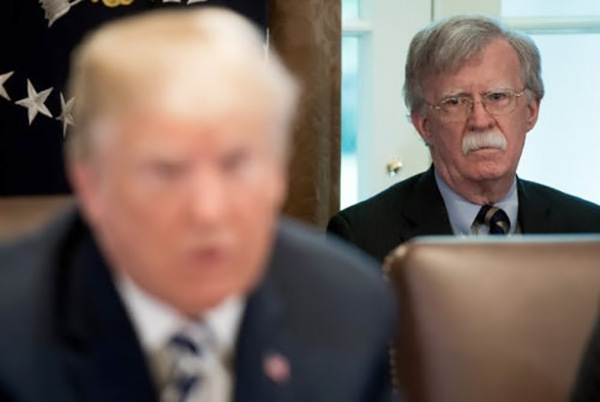
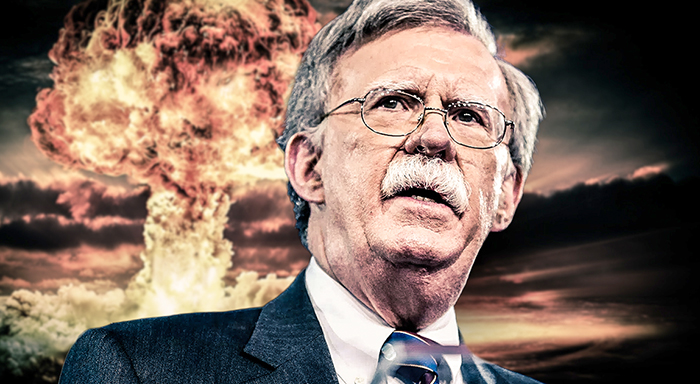
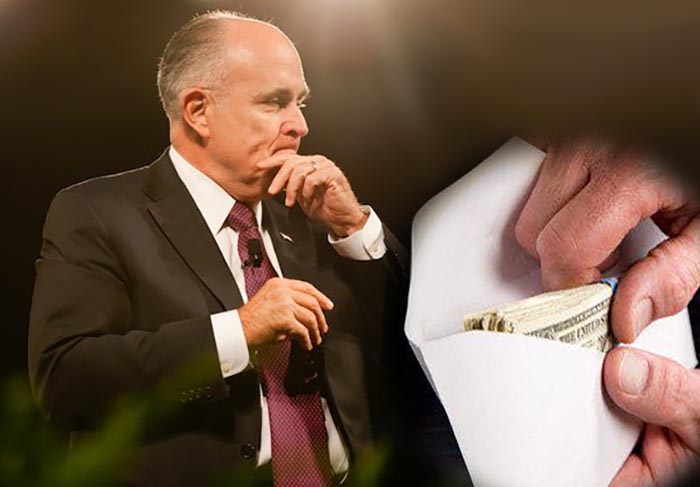
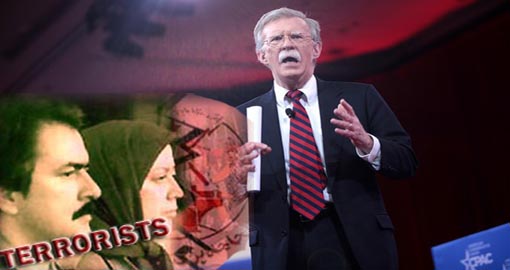
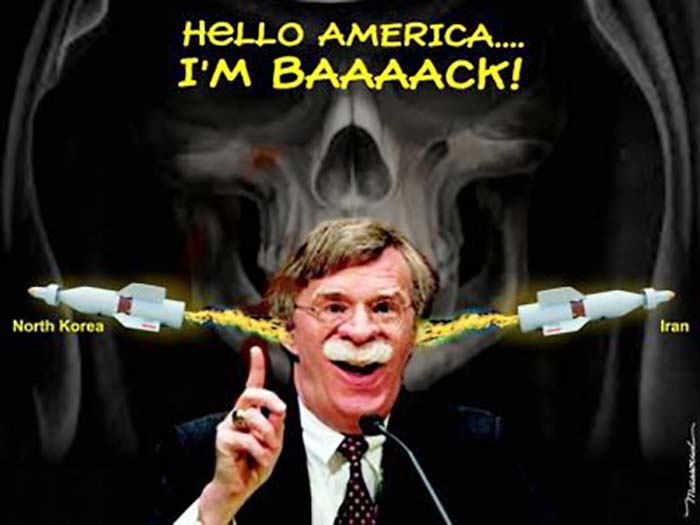
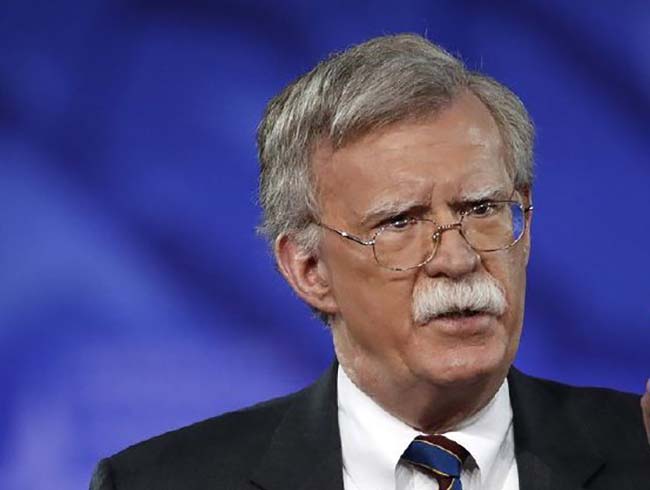
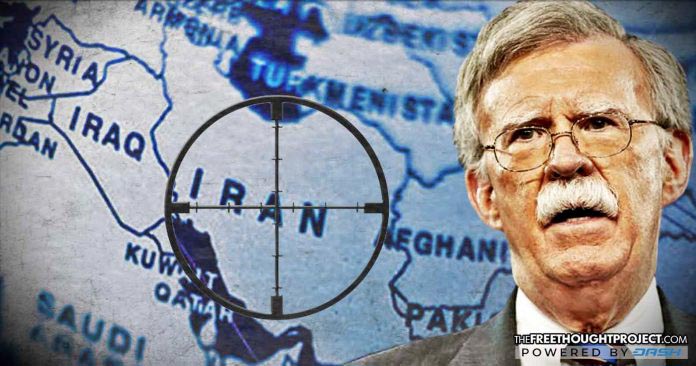
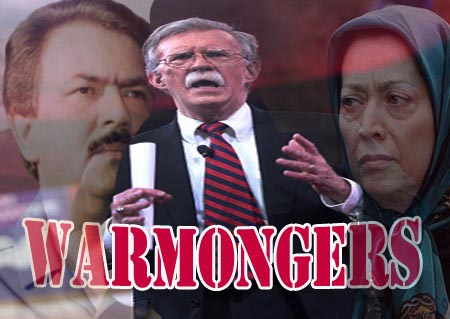
In July 2016 Josh Hawley was implicated in a scandal exposed by the Financial Times. Hawley, along with John Bolton and Michael Mukasey were paid by the foreign terrorist organisation Mojahedin Khalq (MEK) for advocacy.

Hawley is currently running for Senate, presumably with MEK backing. It is not clear yet whether his past will catch up with him.

–

Josh Hawley could be drawn into Eric Greitens investigation despite hands-off approach

David M. Drucker, Washington Examiner, Feb 23, 2018

Missouri Attorney General Josh Hawley, the presumptive Republican nominee for Senate, could be drawn into the investigation into Gov. Eric Greitens, who was indicted Thursday by a grand jury on charges relating to allegations of sexual impropriety.

Republican insiders are fretting that the Greitens affair could put undo political strain on Hawley’s bid to unseat Sen. Claire McCaskill, D-Mo., who is vulnerable in the midterm but is a tough campaigner. Hawley, in his position as state attorney general, could be asked to assist in the Greitens probe by local prosecuting attorneys, and plans to answer the call if it comes.

“A felony indictment by a grand jury is a serious matter. There is no place for party or partisanship. The criminal justice system must be allowed to work. I am confident the House’s investigation will be thorough and swift, and will proceed without regard to party,” Hawley said Friday, in a statement issued through his attorney general’s office.

Hawley exudes the image of a straight-laced conservative — the opposite of Greitens since it was revealed that he engaged an extramarital affair with a hairdresser before he was elected governor. Greitens was indicted on felony charges of invasion of privacy related to that affair.

Private polling conducted before the indictment showed Greitens’ support with voters holding, suggesting he might be able to weather the storm. He is vowing to fight the charges, even as Republicans in the Missouri legislature have begun to turn on him.

“As I have said before, I made a personal mistake before I was Governor. I did not commit a crime,” the governor said Thursday, in a statement emailed to political supporters and campaign contributors.

“With today’s disappointing and misguided political decision, my confidence in our prosecutorial system is shaken, but not broken. I know this will be righted soon. The people of Missouri deserve better than a reckless liberal prosecutor who uses her office to score political points. I look forward to the legal remedies to reverse this action. This will not for a moment deter me from doing the important work of the great people of Missouri,” Greitens added.

The Hawley campaign has been gaming out how to navigate the Greitens scandal, but there’s not much to do as long as the attorney general could be called on to participate in the investigation. Missouri is a Republican-leaning state, voting for President Trump by a 20-point margin.

But some Republican operatives worry the matter could end up negatively impacting Hawley’s campaign.

“McCaskill is already a tough beat and we’re not helped by Greitens’ situation. If this isn’t taken care of it runs a good chance of materially hurting our chances to take this Senate seat. The situation isn’t yet critical but it shows every sign of moving in that direction,” a Missouri GOP insider said.

–

Release: Schaefer Campaign Calls on Hawley Supporters to Disclose Ties to Iranian Terror Organization

Press Release, Missouri Times, July 14, 2016

COLUMBIA, Mo. – Kurt Schaefer’s campaign today called on supporters of Josh Hawley to disclose their financial ties to the People’s Mojahedin Organization of Iran [PMOI]. Since releasing an ad highlighting Hawley’s documented work on behalf of the PMOI, a group that killed American soldiers, a number of Washington DC insiders including John Bolton and Michael Mukasey have come sprinting to Hawley’s defense. The problem? They failed to disclose their paid work for the group.

“Josh Hawley’s allies in Washington DC have spent millions falsely attacking Kurt Schaefer, and now they’re defending his paid work for an organization on the State Department’s list of foreign terrorist organizations,” Schaefer Campaign Manager Scott Dieckhaus said. “But Hawley’s friends in Washington DC have failed to disclose that they have been compensated, just like Hawley, by the PMOI to advocate for their removal from the terrorist list. As if their work on behalf of a terrorist group that killed American soldiers wasn’t enough, now they have failed to disclose that they were on the group’s payroll. Hawley and his allies should come clean and disclose their paid advocacy on behalf of the PMOI.”

A Financial Times story highlighted both, Mukasey and Bolton’s involvement with the group. Excerpts from a story include:

“An Iranian exile group is spending millions of dollars in a lobbying effort to be removed from the US’s list of foreign terrorist organisations, recruiting a group of US national security luminaries to be its advocates. Dozens of former officials across the political spectrum – from conservative John Bolton to liberal Howard Dean – have been paid tens of thousands of dollars to speak at events organised by supporters of the Mujahedin-e-Khalq, or People’s Mujahedin, in the US, the Financial Times has learnt.”

“Lee Hamilton, a former Democratic chairman of the House foreign relations committee, and Michael Mukasey, attorney-general in the last Bush administration, both told the FT they were paid for speaking at MEK-linked events.”

“Mr Bolton, George W. Bush’s ambassador to the UN, said he did not see the fact he was being paid “as an issue”, while Mr Dean, the former Democratic national committee chairman, dismissed the question as a “sideshow”.

“None would disclose how much they had been paid, but Ed Rendell, the former Pennsylvania governor, said he received $20,000 for an 11-minute speech. “But even if I was paid $50,000, I wouldn’t do it if I didn’t believe in it,” he said.”

The full story can be found here:

http://www.ft.com/cms/s/0/cc6d5774-b23d-11e0-9d80-00144feabdc0.html#ixzz4EJHoryLp

February 25, 2018 0 comments
FacebookTwitterPinterestWhatsappTelegramSkypeEmail
Albania

MKO hostages should be informed about their rights

According to the news websites covering the situation of defectors of the Mujahedin Khalq Organization (the MKO/ MEK/ PMOI/ the Cult of Rajavi), the UN High Commissioner of Refugees paid the first monthly contribution to defectors in Albania last Friday February 9th, 2018. The new improvement in implementing laws by the UNHCR considering the defectors of the MKO as independent refugees seems to be a good move.

Since the MKO relocation process to Albania was completed in September 2016 until last Friday, the group leaders have been able to manipulate the UNHCR in executing the international laws about MKO members convincing the UNHCR authorities to allocate the individuals’ monthly payments as a whole to the organization’s leaders.

This rule malfunction helped the MKO leaders confiscate the members’ money and eventually use it as a pressure tool to ban them from leaving their group. Over three hundred people who managed to leave the MKO after the relocation in Albania faced a great deal of problems once they dissociated themselves from the group. They were left homeless and moneyless in the society. They were aided by charities and humanitarian communities. Read the stories of some of the defectors here.

The right to be informed

By officially receiving their first payment, MKO defectors will be able to lead a rather normal life in the free world. Therefore, those who are still taken as hostages in the MKO bases in Albania should be aware of the new regulations in the system of payments of the UNHCR. Particularly, those who are kept in the newly-rented Camp Ashraf 3 in a remote location outside Tirana –more isolated and lonely than the time they were located in Tirana—should be informed about their basic rights. They should be learned that their defection from the cult-like MKO does not result in homelessness and poverty.

This is the crucial responsibility of the UNHCR and the Albanian government to make sure that individuals who are in the Ashraf 3 are not intimidated by the hardship of leaving the Cult of Rajavi.

By Mazda Parsi

February 18, 2018 0 comments
FacebookTwitterPinterestWhatsappTelegramSkypeEmail
Albania

Mujahedin-e Khalq former member pens letter to Mrs. Rovena Veda

Deputy of Interior Minister of Albania Ms. Rovena Veda

Wisdom and abundant respect,

I am Ali Hussein Nejad, a member of the People’s Mojahedin Organization of Iran, who has been a member of the Mojahedin Khalq Organization for 30 years 25 years from it as the chief editor and interpreter of the political headquarters and the press, advertising, publishing and foreign affairs organizations of France (at the headquarters of the organization in The suburbs of Paris) and more in Iraq and before that, I have been in the organization of this organization in Iran and other countries for 5 years and now I am a resident and asylum-seeker in France, as a member of the Albania government and responsible for affairs The people of the Mojahedin Organization (Rajavi Sect) in your country want to consider the following, because the result of my experiences and observations during the decade Participation in the organization of this sect in Iraq, especially its interference in Iraqi affairs, and its attempts to smash the political and social situation of that country, which I witnessed for myself as a senior interpreter in the most sensitive political sectors of this organization.

Since the PMOI has a very closed and sectarian leadership and organization, as emphasized by the Special Representative of the Secretary-General of the United Nations in Iraq in the semi-annual report of 2013, as well as repeatedly in human rights observation reports, Within the organization, we saw that people inside this organization not only deprived of freedom of speech and pen, but even of freedom of thought, and that in their contacts and conversations they were heavily under the control of the leadership and had no right to contact and communicate With outsiders, including their families, even inside the organization, as well as using the Internet Lefebvre, and the media and communications equipment of today’s world, especially now that the leaders of this sect have transferred their captives to a remote and enclosed place in Albania, like their main garrison, Ashraf, in Iraq, and in much worse conditions Prison has caught.

The leadership of the Mojahedin Organization has begun to re-establish the same sectarian and institutional system in Albania, so that people who have been transferred to your free country are also subjected to extreme control, in order not to contact outside of the organization, including their families, and efforts The Albanian government’s philanthropy and philanthropy to rebuild people and bring them to society and free social communication.

I have witnessed the continued involvement of Rajavi’s secession in Iraqi political and social affairs, including forging false statements in the name of Iraqis and training a group of Iraqis as their own mercenaries for influence in the administrative and community institutions of the country, and now it wants the same policies and its plans and practices in Albania.

Therefore, I would like to draw your attention to the subsequent actions of the terrorist and violent leader of this cult to violate the sovereignty of your country and to interfere in its internal and social affairs, because the leaders of this cult seek to break your community to consolidate their place in It is for them to continue their sectarian practices and to carry out their violent and terrorist plans.

Mrs. Deputy Minister of the Interior of Albania,

As Secretary-General of the Government of Albania, I would like to take the necessary measures to prohibit the control and governing of the Organization and its officials in Albania against the transferred individuals, especially those who were detained there, and their interference in affairs They will need to provide the facilities of contact and communication of people transferred to the outside world, especially with their families and meet them.

With respect,

Ali Hossein Nejad – Paris – 14 February 2018

February 18, 2018 0 comments
FacebookTwitterPinterestWhatsappTelegramSkypeEmail
Iran

Iran links MEK with US-Israel-Saudi’s attempts to reframe regime change as ‘environmental activity’

1- Iran Rejects “Baseless” Claims about Environmentalist’s Suicide

Iran’s High Council for Human Rights has categorically dismissed the “hostile and baseless” claims raised by certain foreign media about the death of an Iranian environmentalist who was in prison on charge of espionage.

“Following intense attacks by foreign media spreading baseless and hostile claims against the Islamic Republic of Iran with regard to suicide committed by Kavous Seyed Emami, Iran’s High Council for Human Rights has released a statement to shed light on the truth about the case,” the Council said in a Friday statement.

The following is the full text of the statement:

In the name of God, the Compassionate the Merciful

Following the suicide committed by Kavous Seyed Emami who was under arrest for espionage charges under the cover of environmental activities, Executive Director of the United Nations Environment Programme Mr. Erik Solheim has stated that “Environmental rights are human rights, and we all have an obligation to protect them. We are closely following these cases in Iran and urge that the work of environment defenders – both in Iran and around the world – be promoted and respected.”

In this regard, the Islamic Republic of Iran’s High Council for Human Rights would like to raise the following points to be considered by Mr. Solheim.

First, the United Nations and its family of affiliated organizations are neither Non-Governmental nor media organizations, but organizations formed by independent countries, thus necessary to respect authority of member states and consider consultations with the respective country and request an official interpretation from a country before publishing any official statement about any country. Unfortunately, this point has not only been ignored, but also turned into a precedent.

Second, the Islamic Republic of Iran, while confirming supports for and development of environmental activities, assertively warns against cover-up abuse of such activities pursuing hostile objectives, particularly military invasion or terrorist activities. The United Nations and its related organizations are expected to strongly warn the United States and other countries who are deliberately taking advantage of “environmental activist” to pursue their covert illegal, hostile and aggressive objectives. In fact, credit of the UN and its family of organizations is the main victim of such abuses.

Third, a wider abuse has been accompanied by unjustifiable negligence of the UN which is providing a cover for terrorist activities under the pretext of “human rights defenders.”

The UN secretary general and his colleagues are certainly aware that in recent years, members to dangerous terrorist organizations such as MKO, PJAK, Komala, Rigi, etc. who have committed numerous crimes against innocent Iranian citizens and have exploded mosques and worshipping places filled by people, have been introduced and supported in official reports by representatives of the UN as supporters of human rights!

Fourth, the insistence on and significance of protection of environment in the Islamic Republic of Iran which roots in Islamic teachings, is evident given the vast budget annually allocated to this area. Iran expects honest supports, free of tendentious infections by dangerous countries and enemies of environment like the US and its subordinates.

It needs no assertion that the Islamic Republic of Iran’s High Council for Human Rights considers it a basic and essential duty of itself to defend the rights of every single citizen, including suspects and convicts and inmates and works closely with judicial authorities to fulfill this responsibility.

Today, the High Council of Human Rights of the Islamic Republic of Iran is the main defender of civil rights and its honest activities has made it the place for every single citizen, whether inside or outside the country, to refer to it for seeking justice.

2- Iran Arrests Several Environmentalists for Espionage

Tehran’s prosecutor says Iranian security forces have identified and arrested several people in connection with a spying case.

“These people were gathering classified information on strategic fields under the coverage of scientific and environmental projects,” Abbas Jafari-Dolatabadi told reporters on Saturday.

Separately on Sunday, Hossein Taeb, the head of the intelligence unit of Iran’s Islamic Revolution Guards Corps (IRGC), warned that the enemy is sponsoring new groups to spark insecurity in the region.

The Islamic Republic’s “dominance over Daesh and other regional and extra-regional terrorist groups has led the enemy to consider creating new outfits to cause insecurity,” he said on the sidelines of the nationwide rally to mark the 39th anniversary of the Islamic Revolution.

Taeb also noted that in recent riots in some Iranian cities, “notorious groups led by the Iranian nation’s main enemies took advantage of people’s rightful economic demands and tried to manipulate them through creating insecurity.”

“Of course, their measures will not go unanswered and they will be slapped in the face at the right time,” he told Tasnim news agency.

In late December 2017, people in several Iranian cities held peaceful gatherings to criticize the country’s economic issues. Those rallies were, however, marred by scattered riots, which saw vandals and armed elements launch attacks on public property, mosques and police stations.

Upon the outbreak of violence, the original protesters responded to calls by authorities and left the streets, paving the way for law enforcement forces, backed by locals, to intervene.

Iranian people also held mass rallies to express their faith in the Islamic establishment and condemn the chaos as efforts were underway by security officials to end the riots.

Leader of the Islamic Revolution Ayatollah Seyyed Ali Khamenei said a “triangle” of enemies — with the United States and Israel comprising one of its sides, a rich Persian Gulf littoral state on its second side and the anti-Iran Mujahedin-e Khalq Organization (MKO) terror organization on the third side — had been plotting for the past few months to foment chaos and violence in Iran.

The Iranian people, however, distanced themselves from rioters after finding out their motives, Ayatollah Khamenei added.

February 18, 2018 0 comments
FacebookTwitterPinterestWhatsappTelegramSkypeEmail
weekly digest
Iran Interlink Weekly Digest

Iran Interlink Weekly Digest – 222

++ The main news this week came out of Albania – translated into Farsi and English.

++ In his show ‘This is Moscow’, Kastriot Myftaraj identified the businessman involved in the construction of the MEK’s new training camp in Albania as Fatmir Kuci. The logo of his company ‘Victoria Invest’ is written on the side of vehicles at the site.

++ Top Channel TV’s Fiks Fare, a popular investigative satirical show, exposed ‘the truth about the MEK’ using the testimony of three former MEK members in Albania. The show focused on 200 members who have escaped the MEK and now live without economic support or legal status in the country. The show again revealed that the MEK training camp in Manzë in Durres was already under construction before a permit had been granted. FARA association which applied for the permit was only registered as a legal entity on 8th February 2018 after being exposed by investigative journalist Gjergj Thanasi in October last year. The testimony of three former MEK members again exposed the scandal behind the MEK’s presence in Albania. None of the “3,000” members or the 200 ex-members have any legal status in the country and no independent financial support.

++ The MEK responded to Top Channel TV by issuing a statement which was published uncritically by at least two Albanian media outlets. The statement accused its critics (former MEK members) of being from the “Gestapo” Intelligence Ministry (MOIS). The statement did not seek to address the allegations made in the Fiks Fare programme.

++ A delegation from the European Parliament visiting Tehran held meetings with the victims of the MEK (families of those assassinated by the MEK and families of current members being held hostage in Albania).

++ Also this week, Secretary of Iran’s Expediency Council Mohsen Rezaie met with the French Ambassador to Iran and in that meeting touched on the MEK presence in France and the duty of France under international law to curtail terrorist activities. (Reported in English by IRNA)

++ Commentators have written more about Iranian women’s protests against forced hijab as Maryam Rajavi remained silent on the issue. The MEK’s third party outlets even go so far as to say that these protests are not right and are against the strategy of toppling the regime. Some started their own hashtags to counter the protests. Many writers assert that Rajavi is worse than the current regime (in relation to women rights) because even inside the regime some believe that hijab should not be compulsory, but the MEK practices even greater gender restrictions and segregation than inside Iran. Some have commented that at least the regime does not expect all Iranian women to divorce and leave their children and become full time wives of the leader (as was done in the MEK by Massoud and Maryam Rajavi).

In English:

++ On the anniversary of the Iranian Revolution, Nejat Society published a piece looking into the MEK’s recent history of violence in Iran. Evidence shows that much of this was directed against civilians, including women and children. The MEK was involved in over 200 mortar attacks between 1998 and 2000, leading the US think tank Brookings Institute to identify the MEK as a potential proxy for regime change. Nejat tells how the MEK glorified these acts of violence in their internal publications and websites.

++ Open letters from former MEK members Mohammad Razzaghi and Ali Hossein Nejad in Paris, to Albania’s Deputy Interior Minister Rovena Voda, warn of the dangers posed by the MEK presence in her country.

February 16, 2018

February 18, 2018 0 comments
FacebookTwitterPinterestWhatsappTelegramSkypeEmail
Newer Posts
Older Posts

Recent Posts

  • The black box of the torture camps of the MEK

    December 24, 2025
  • Pregnancy was taboo in the MEK

    December 22, 2025
  • MEPs who lack awareness about the MEK’s nature

    December 20, 2025
  • Why did Massoud Rajavi enforce divorces in the MEK?

    December 15, 2025
  • Massoud Rajavi and widespread sexual abuse of female members

    December 10, 2025
  • Facebook
  • Twitter
  • Instagram
  • Youtube

© 2003 - 2025 NEJAT Society . All Rights Reserved. NejatNGO.org


Back To Top
Nejat Society
  • Home
  • Articles
  • Media
    • Cartoons
    • NewsPics
    • Photo Gallery
    • Videos
  • Publications
    • Books
    • Nejat NewsLetter
    • Pars Brief
  • About Us
  • Contact us
  • Editions
    • عربي
    • فارسی
    • Shqip