
To the High Commissioner of the UNHCR
I am Mahnaz Akafian, the mother of Mohammad Ali Sasani, who was a prisoner of war in Iraq but he is now prisoner in MKO in Iraq.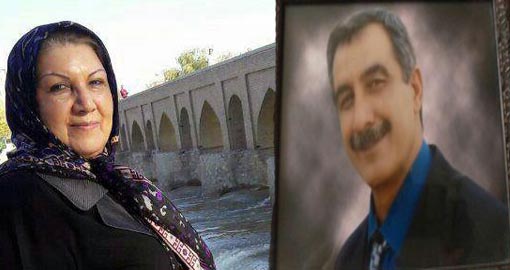
I have not had any news from my son for 28 years. Some time ago I went to Ashraf Camp and more recently I went to Liberty Camp in Iraq to find him. Unfortunately, I did not get any result. I do not know if humans have different rights. I ask you a question as a human rights representative. If a person is in prison and is condemned to death, do they have the rights to have contact with and see their family members? We ask from the MKO that we see our children. Even if we are guilty of all the sins they accuse us of, why shouldn’t we be allowed us to see our children? So many fathers and mothers were not allowed to see their children and they died. With this weak body of mine I ask, let us meet our son!
Kind regards,
Mahnaz Akafian, a mother
7 January 2016CC:
The head office of the International Committee of the Red Cross – Geneva
ICRC office in Baghdad
Mahnaz Akafian, Peyvande-rahaee,
 reports are published under the pseudonym “Mehdi Tofiqi”. According to his reports, leaders of the cult of Rajavi awfully panic the decline of their establishment. Therefore, supervision and control over members have become stricter. Here’s an extract of Tofiqi’s account of what is going on in the MKO base in Tirana, Albania:
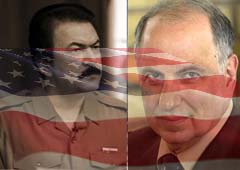 the avalanche of editorials exploring Chalabi’s life showed, Americans are still divided about his motivations—conniving or noble—and the extent of his role in misdirecting Middle East policy. But whether he was a master manipulator or merely manipulated, Chalabi was little different from any archetypal Westernized, pro-democratic exile. His life and influence in Washington should serve as a warning to U.S. policymakers: beware exiles who promise much but possess their own agendas.
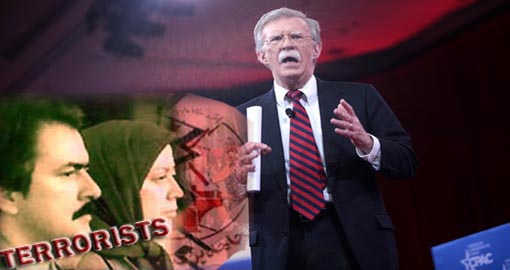 e-Khalq (MEK), an Iranian opposition group, to testify before the House Subcommittee on Terrorism on issues relating to Iran and ISIS highlights how little scrutiny such groups sometimes face. Though certainly a vocal opponent of the regime in Tehran, MEK was only removed by the State Department from the list of foreign terrorist organizations in 2012, after heavily lobbying Congress. The group is communist and is often described as a cult. It is so extreme and so unrepresentative of the Iranian opposition in general that other regional experts testifying before Congress refused to appear on the same panel.