Iran’s Islamic Revolution Guards Corps (IRGC) says it will not allow terrorist groups and foreign-sponsored mercenaries to carry out acts of terror in the country.
In a statement released on Thursday, the IRGC described the policy of targeted assassination, fomenting insecurity and disruption of public security as being among the tactics pursued by the enemies of the Iranian nation.
“Resorting to medieval methods and the institutionalization of state terrorism and the incitement of violence and killing are the top policies and strategies of the hegemonic system, arrogance and the less-than-truthful advocates of democracy, freedom and human rights and the mendacious advocates of the campaign against terrorism,” the statement read.
It said, however, that the perilous and evil policy against the Islamic Republic of Iran and the Iranian nation has been and is doomed to failure and disgrace.
The statement also condemned the biased silence of the international organizations claiming to advocate human rights concerning the crimes perpetrated by the terrorist Mujahedin-e Khalq Organization (MKO) and other terrorist groups against Iranians.
“It is a matter of great regret that some European and Western governments and circles have picked the despised and criminal mercenaries of the MKO terrorist group as advisors on Iran issues, and have adopted cheap positions and formal statements against the respected Iranian nation on the basis of their (MKO terrorists’) wrong, distorted and biased information,” the IRGC statement pointed out.
The MKO has committed numerous terrorist acts against Iranians.
The group fled Iran in 1986 for Iraq, where it received now-executed Iraqi dictator Saddam Hussein’s support and set up Camp Ashraf near the Iranian border.
On December 20, 2012, the Canadian government removed the MKO from its official list of terrorist organizations. Ottawa’s move followed similar measures by the US and the EU.
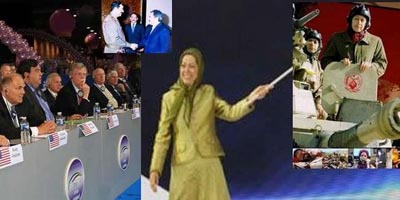
 which has not been heard of before and will, no doubt, never be heard of again. MEK operatives have been active in recruiting attendees. The MEK is facing a critical situation; the forces (hostages) inside Camp Liberty are becoming harder to control, and the camp itself is under pressure from the international community to close. The MEK is at a dead end and its supporters in western countries are becoming more vocal and more critical of what the MEK strategy is and why no progress is being made. In typical MEK style this event in Paris will masquerade as activity and progress, thereby keeping these supporters charged and happy – basically ‘on message’. Some weeks ago the MEK held a similar event gathering 300 ‘supporter associations’ in Paris to listen to a panel of non-Iranian paid speakers.
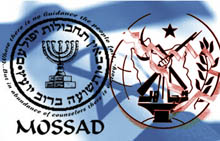 "all know that nuclear science in Iran follows a peaceful path". Almost at the same time Russia Today revealed that the Obama Administration is pressuring Israel to stop carrying out assassinations of top nuclear scientists in Iran where Mujahedin Khalq Organization has been Mossad’s proxy force to execute the killings.
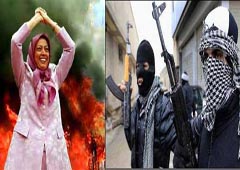 membership in its establishment, according to Al Javar. The group issued a statement on Monday (March 3rd) to declare that it is seeking to kill Shiites. Jaish Muhammad called on all sunni organizations in Arab and Islamic countries in Asia, North Africa and Syria to form a large army and to support armed Sunni insurgents in Iraq and Lebanon.
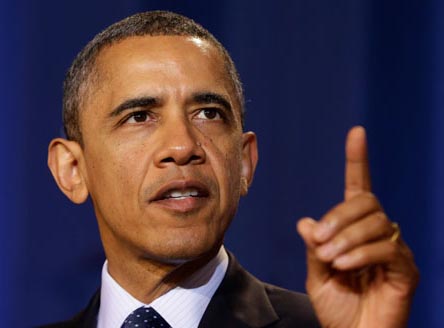 Apart from pressure from Washington that Israel give up the assassination program, sources close to Israel’s intelligence agencies told CBS News’s Dan Raviv that Mossad itself viewed the campaign as too dangerous to continue. Raviv, who was updating a book he co-wrote about the history of Israel’s intelligence agencies, said the pressure form the Obama administration was “more than a hint.”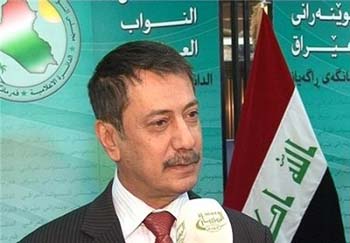
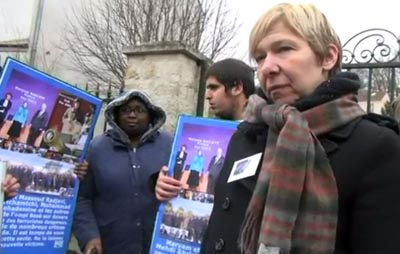 country. At first, the mayor, who is a long term supporter of the MEK, tried to stop the picket. But he soon backed off when he realised there were many local dignitaries among the protestors. He then tried to play it down and act innocent about the MEK’s presence. Demonstrators carried placards and banners and distributed leaflets pointing out the past and present violent nature of the MEK in Iran, Iraq and the EU including France. The Peace Association, a French association, has gained momentum since then and many French citizens have joined since the picket at Auvers and it has become a nationwide movement as French people are becoming more and more aware of the dangers of having this group on their soil, particularly as the MEK is now being expelled from Iraq, and the French do not want their headquarters in their country. The
 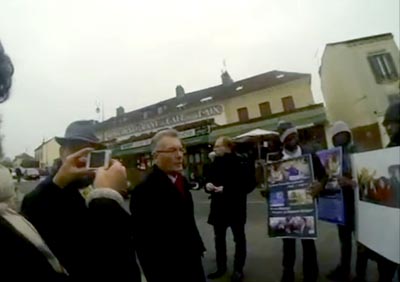 demonstrators were confronted by aggressive MEK security members who issued death threats and violence. Police are investigating several complaints.