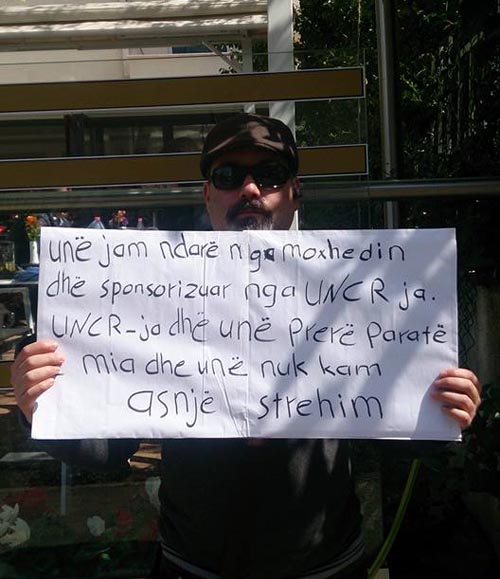
Former MEK member Ehsan Bidi staged a sit-in outside the UNHCR office in Tirana, Albania where he has refugee status.Bidi and other formers were told by the UN office that their funds and accommodation would be stopped from end of March. They have now all been evicted and made homeless.According to Bidi, the responsible person at the UN, Nicola, has been replaced in the past few days by someone from Pakistan who claims to know nothing except that the UN is not allowed to pay for the refugees from today. The UN attributes this situation to an agreement between the Albanian government, the US, MEK and the UNHCR. According to this agreement, Albania should only provide land and the individual refugees’ expenses are to be met by the MEK. The problem is that not only will the MEK not provide for these formers’ expenses, they actually want to kill Bidi.Bidi says that already a few members have been forced to humiliate themselves and beg the MEK to be allowed again to become terrorists for money. They all have refugee status.
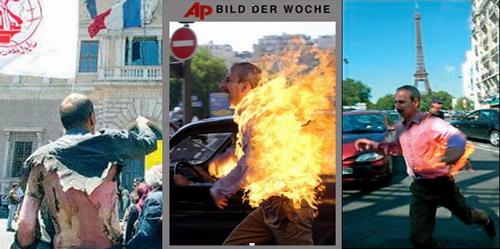 To understand the motives behind suicide bombing many people try to excuse or approve it. It seems easier to assume that suicide bombers are just malicious characters who hate their victims but terrorism is not a simple phenomenon with easy explanations. Actually a wide variety of motives and factors are involved. For analyzing these motives and factors the Mujahedin khalq Organization (the MKO) is a significant example of such terror acts. The group may be one of the first role models of suicide bombers for extremists through the history.
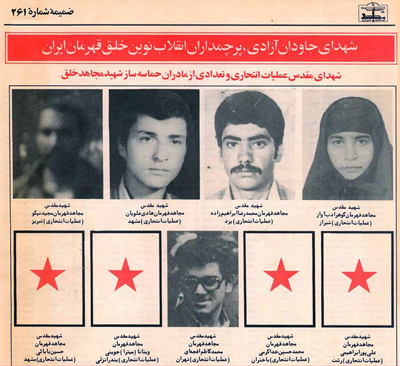 After the 1979 revolution in Iran, when the MKO began to fight the newly established Islamic Republic government, the MKO suicide bombers assassinated dozens of the Iranian officials and civilians. The suicide bombers were glorified in the group’s journal as suicide martyrs.
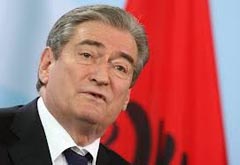 In a copy of this correspondence provided to Panorama, the UN Ambassador informs former Prime Minister Berisha about two meetings held in Geneva as part of the effort to find a solution for the residents of Camp Ashraf in Iraq. According to this correspondence, on March 15, 2012, Ambassador Qerimaj held a meeting with Volker Türk, director of the Department of International Protection at the High Commissioner for Refugees (UNHCR), in which Albania was asked to take a group of refugees, to accept their placement in a temporary base, and to give financial assistance to the UNHCR project.
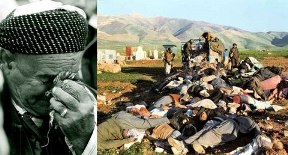 March 16 however marks the anniversary of the day in 1988 when Iraqi war planes and artillery pounded the Kurdish town of Halabja in northern Iraq with mustard gas and the deadly nerve agent sarin. Some 5,000 people – mainly women and children – died on the day, and up to 12,000 have lost their lives since. A packed rally in Westminster allowed Kurds and sympathisers to remember this tragedy inflicted on them by Saddam Hussein.