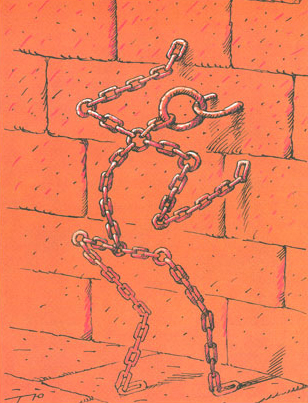
A number of former members of the Mujahedin Khalq Organization issued a statement to seriously condemn “forced and useless hunger strike” in Temporary Transit Location; Camp Liberty. They considerMaryam and Massoud Rajavi- leaders of the group as responsible for the lives of imprisoned residents of the Camp.
Former members of the MKO notify that in the MKO no activity is done unless it is ordered by the group leaders. “In fact, all political and propaganda affairs including self immolations and hunger strikes are basically organized acts and actually under the order of the leadership and members are due to execute them,” the signatories of the statement reveal.
These defectors of the cult of Rajavi who base their allegation on what they witnessed and experienced in the MKO warned about the seriously poisonous atmosphere of the organization where members are deprived from their basic rights and even their power of thought and freewill.
They emphasized that the forced hunger strike in the MKO is “a significant example of violation of human rights” thus; they urged the international community to take action against the authorities of the MKO in order to prevent a human disaster in Camp Liberty. They also asked political activists and Iranian nation to condemn the atrocities of the MKO leaders asking,” Why Massoud and Maryam Rajavi do not go on hunger strike?”
Nejat Society
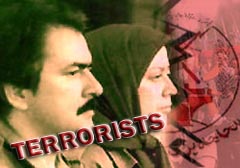 exposures and revelations by the survivors of the cult, in particular after Dr. Karim Ghasim, Dr. Mohammad Reza Rohani left the National Council of Resistance (NCRI, another name for Mojahedin Khalq) and the recent revelations made by Hadi Afshar (Saeed Jamali), Iraj Mesdaghi and others, the Leadership of the MEK have held a meeting chaired by Maryam Rajavi (Joint leader of the cult with her husband Massoud Rajavi) in which they have been discussing the effects of the revelations as well as deciding a line of action for damage limitation to the cult.
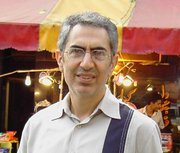 (MEK, PMOI) for twenty years, serving as the organizations representative to the United Nations and to the United States during his tenure. The group is largely obscured from public discourse, or more recently veiled in headlines describing them as political dissidents or refugees. To those more familiar with the group the debate tends to focus primarily on their nature. For many MEK is a dangerous terrorist organization, yet for others they are freedom fighters and the only legitimate alternative to the Iranian Government. They’ve been subject to several pieces suggesting they work as assassins for the United States and Israel. Masoud has published a book called Memoirs of an Iranian Rebel about his experience in the organization, which he very candidly describes in detail as a cult, and one that has long lost its strength and vibrance. He now focuses much of his work on the research and understanding of cults, terrorism, and cult behavior within those structures.
 MEK. VOR’s Sean Nevins writes about the event, as well as his one-on-one interview with former Secretary of Homeland Security, Tom Ridge, and a discussion with the MEK’s political arm.
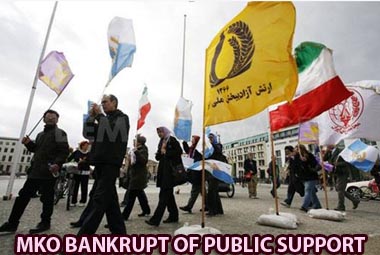 propaganda to create obstacle in negotiations neither international body nor any other government took the group seriously.