
Iran: Britain supports terrorist Mojahedin Khalq (Rajavi cult) Broadcast live from London
The world public opinion believed Britain is an advocate of terrorists and criminals, Foreign Minister Manouchehr Mottaki has said.
Mottaki made the remarks in a meeting with the head and members of a committee in charge of defending the rights of victims of a terrorist act against Iranian embassy in London in 1980.
Iran’s embassy in London was seized by six gunmen who attacked the Iranian mission on April 30, 1980 and took hostage its 26 workers. The siege ended after six-day following an operation by British Special Air Service (SAS) which led to freedom of 19 hostages while seven others were dead and many were injured.
Iran’s former charge d’affaires in London and head of the committee said the terrorist act occurred under the aegis of British security forces.
In those days, he said, Iranian diplomats in London had repeatedly received many threats from terrorist groups.
“The cases were reported to the British officials by sending official notes from Iran’s embassy, but they kept telling that there was no reason for concern.”
Expressing regret over the terrorist act, Mottaki said that the incident was a result of negligence of British officials and their support for terrorism.
Criticizing a recent strange decision by a British court over possible release of the only surviving member of the terrorist group responsible for the seizure, Mottaki expressed hope that British officials would extradite him to Iran to stand a fair trial.
The minister said recent moves by the British government, including concocting a case against a former Iranian diplomat, a recent ruling by a British court on removing the Mojahedin Khalq Organization (MKO) from the list of terrorist groups and supporting the terrorist organization to broadcast live programs in Persian from London, have clearly indicated London’s double-standard approach toward terrorism.
Stressing that Tehran had held many rounds of direct talks with London over the case, Mottaki said the issue was at the agenda of Iran’s talks with Britain. 
 some point and re-deployed against Iran – this time not by Saddam Hussein but by the US Administration. Last December American forces removed half the MKO dissidents from the TIPF adjacent to Camp Ashraf. (One of them drowned recently in a border incident in Turkey, others are still missing, some are in Iraqi Kurdistan and some clandestinely in Turkey. A few have gained safe refuge in Europe.)
 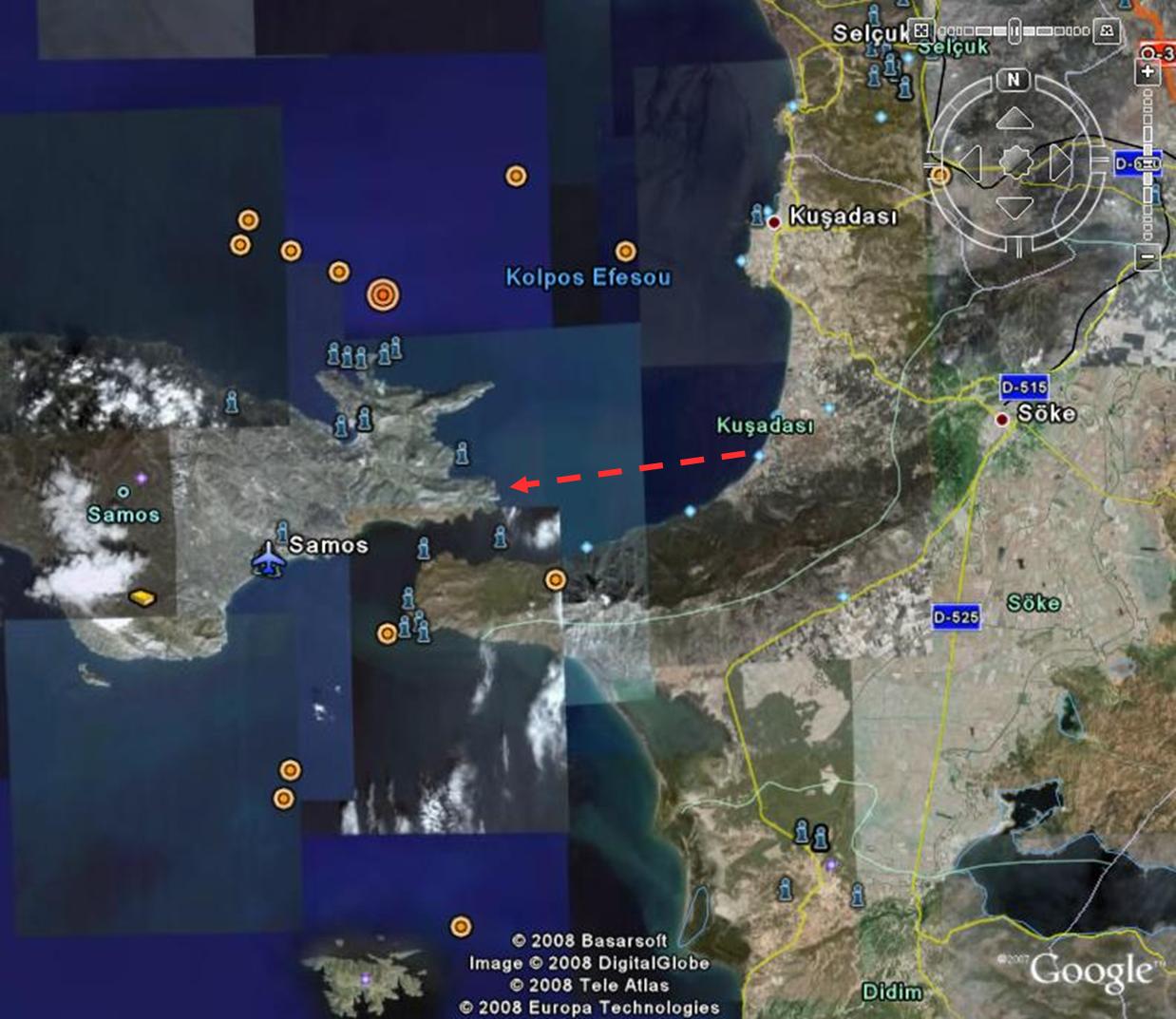 On Friday May 2, 2008 American forces completely closed TIPF and transferred the remaining people to Dahouk in Kurdistan. They have been housed for two months and have food rations, but have been told they will then be given over to the UN refugee agency. This leaves many, many questions, and to date no official American answer has been forthcoming.
  ironically called a city of resistance, Camp Ashraf is now the prison of about 3,500 MKO’s members who are held against their will under the protection of the coalition forces. How can a military camp that its leaders violate and disrespect all principles of freedom and democracy can be called a bastion of freedom as Brian Binley, a Member of Parliament from the British Conservative Party, claims?
 contrast to the past when the U.S replaced Alende and the Chile’s legitimate government with Pinochet using direct military coup d’etat, today they replace seemingly democratic alternatives with governments and dictators under the pretext of the development of democracy or by using similar tools that are likely to be even more appealing to the public. Considering whether the U.S is in all honesty and what is lying behind, is not the subject of this article, but is to consider the various aspects of how much the U.S can count on the oppositions such as Mojahedin-e Khalq Organization (MKO/MEK/PMOI) in order to subvert the Islamic Republic.