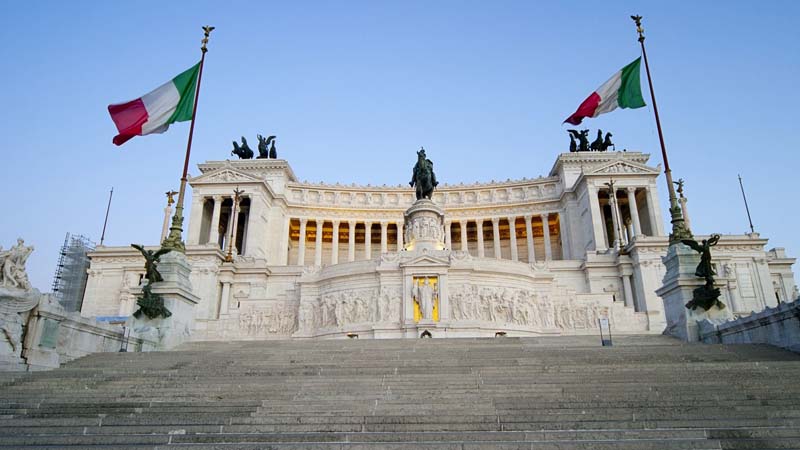
The families of Iranian victims of terrorism have issued an open letter to Italy’s judiciary and top lawmakers, condemning the reception given to the ringleader of the Mojahedin-e Khalq Organization (MKO) during her visit to Rome on July 30.
The letter, sent by the Habilian Association, which represented over 23,000 victims of terrorism, denounced the support shown by several Italian politicians and parliamentarians for the MKO, a group with a long history of violence and currently on trial in Tehran for acts of terrorism.
The letter outlined the MKO’s record, including its collaboration with former Iraqi dictator Saddam Hussein during the Iran–Iraq War and its involvement in attacks on Iranian and Iraqi civilians, which resulted in thousands of deaths.
Although the MKO was removed from the EU’s terrorism list in 2009, the letter said the group remained implicated in money laundering, internal human rights violations, and continued acts of sabotage in Iran through its so-called “rebellious units.”
The letter stated that the MKO’s former ringleader, Massoud Rajavi, had repeatedly incited armed violence against both military and civilian targets in Iran.
The families expressed deep concern over the actions of Italian officials, including the deputy speaker of parliament reportedly presenting an award to an MKO member and plans to host the group’s ringleader at the Italian parliament.
According to the letter, these events, which also included exhibitions and political propaganda, violated Italy’s anti-terrorism laws and the EU’s legal framework, both of which criminalized support for terrorist organizations, including promotion and provision of resources.
The letter argued that such actions not only contradicted Italy’s international obligations but also threatened public safety and risked damaging the historically friendly relations between Iran and Italy.
The Foreign Ministry summoned the ambassador over the Italian parliament’s decision to host the ringleader of the MKO terrorist cult.
“These actions called into question Italy’s commitment to fighting terrorism,” the letter stated, “and could negatively impact the psychological security of Italian citizens by enabling a group that openly promoted violence and sabotage.”
The families claimed that at least 12 MKO-affiliated front organizations operated in Italy and urged a thorough investigation into their activities.
The letter demanded that Italian authorities enforce anti-terrorism laws by investigating politicians who supported the MKO, banning its members from entering Italy, and prohibiting all forms of propaganda events associated with the group.
It urged the Italian parliament to provide a platform for the victims’ families to share their firsthand accounts of the MKO’s atrocities, equal to the space afforded to the group’s representatives.
“Italy, as a key member of the European Union, had the opportunity to demonstrate its commitment to combating terrorism and to prevent actions that promoted violence and instability, even when those actions targeted countries other than Italy,” the letter concluded, calling for immediate measures to halt unlawful support for the MKO.
The MKO has carried out numerous terrorist attacks against Iranian civilians and government officials since the 1979 Islamic Revolution.
A top Iranian criminal court has held dozens of hearings into the group’s crimes and is expected to continue its trial sessions.