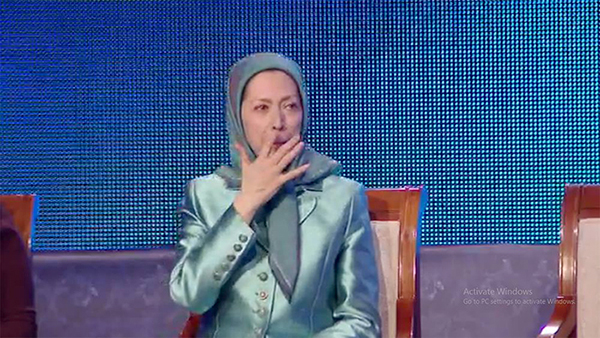
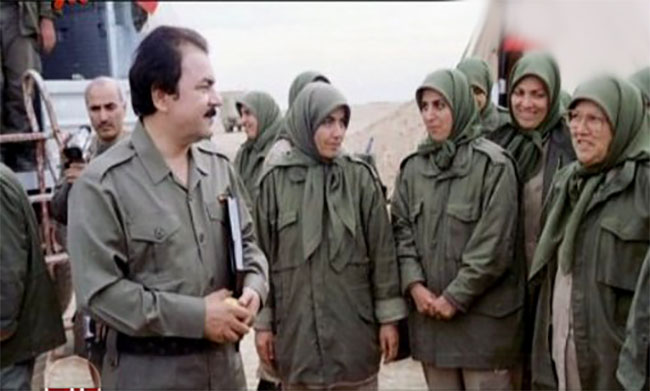
As members of the Mujahedin-Khalq (MEK) are reportedly subjected to forced religious rituals, forced hijab, forced dress code, forced celibacy, forced labor, forced self-criticism and gender separation, available evidence suggests that Maryam Rajavi does not fulfill the points of her ten-point plan within her organization.
Numerous reports from former members, human rights organizations, and investigative journalists detail a highly authoritarian and cult-like environment within the MEK, directly contradicting the democratic and human rights principles espoused in Rajavi’s public agenda.
The following are examples of the contradiction between Maryam Rajavi’s ten-point plan and what is actually being done within the MEK, extracted from non-Iranian sources. Therefore, the documents – which are included at the end of the article
– do not provide any evidence that Rajavi is implementing the provisions of his ten-month plan within his organization.
–Former members have consistently described mandatory participation in ideological sessions, self-criticism rituals, and adherence to strict dress codes, including forced hijab for women, even outside of Iran.
–The policy of forced celibacy, implemented by the MEK leader Massoud Rajavi in the late 1980’s and continued under Maryam Rajavi’s leadership, requires members to divorce their spouses and abstain from sexual relations, ostensibly to focus solely on the “revolution”.
Based on Massoud Rajavi’s doctrine, “revolution” refers to “ideological revolution” which is a cult jargon in the MEK that requires members to dedicate their entire being to the cause of the group.
–Gender segregation is also widely reported within MEK camp and facilities, further contradicting any claims of gender equality or individual freedom.
In a quite brief review, it is detected that the above-mentioned practices stand in stark contrast to the principles of freedom of religion, freedom of choice, and gender equality outlined in Maryam Rajavi’s ten-point plan, which advocates for a democratic, secular and non-nuclear Iran.
Mazda Parsi
Sources:
1.Human Rights Watch. “No Exit: Human Rights Abuses inside the MKO”
1.RAND Corporation. “The Mujahedin-e Khalq in Iraq: A policy conundrum.”
3.Goulka, Jeremiah, et al. “The Mujahedin-e Khalq (MEK)”
4.Iran Human Rights Documentation Center. “Cult of Personality: The MEK’s abuses of Its Own Members.”
5.Maryam Rajavi. “Maryam Rajavi’s Ten-Point Plan for Future Iran.