Ali Ardalani left the Mujahedin Khalq Organization (the MKO) in 2013 after 25 years of membership in the group. He is an eyewitness of the deadly clashes in Camp Ashraf on April 8th, 2011. He writes his memoires of that specific day: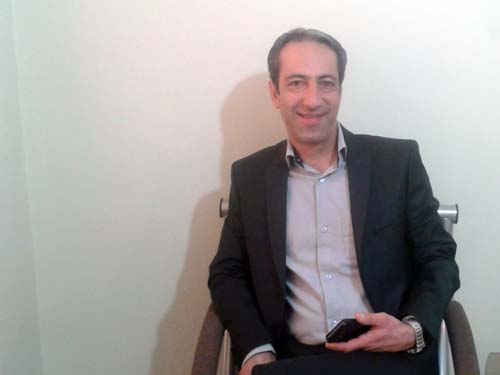
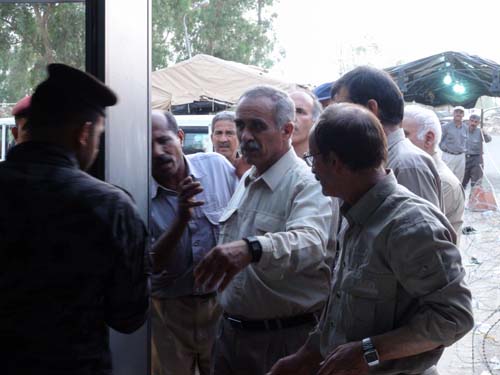
Before April 8th, the Iraqi Government had several times warned the MKO to allow Iraqi security forces to enter Camp Ashraf in order to settle a police station there but the MKO did not cooperate with the police at all.
In the morning of April 8th, Iraqi security forces began their run to penetrate the camp. During the first clashes some of male members of the group were killed but no female was killed until noon.
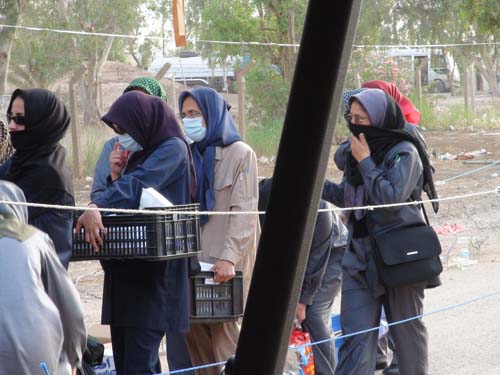
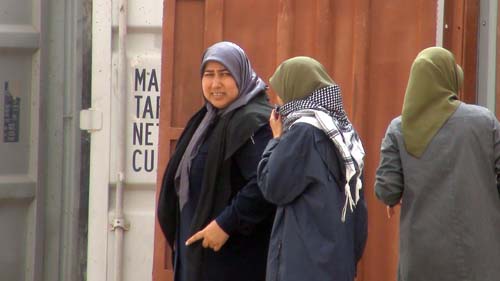
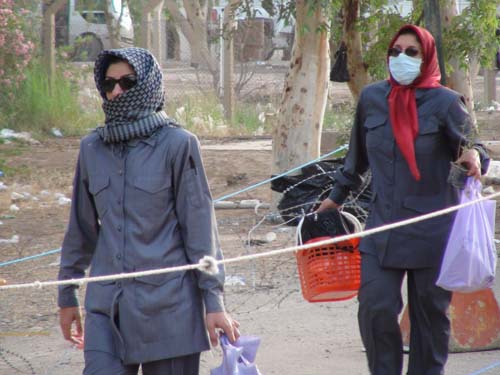
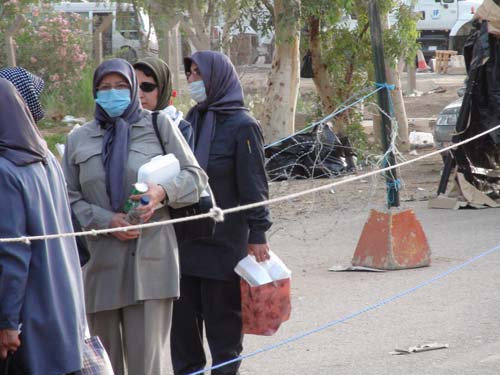
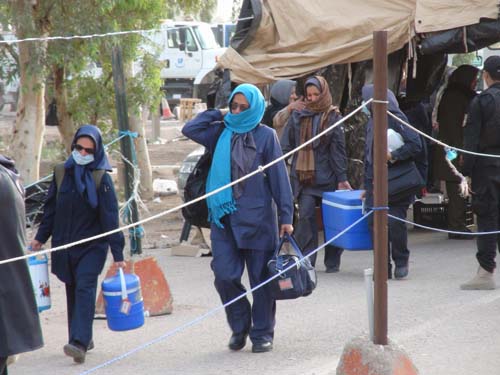
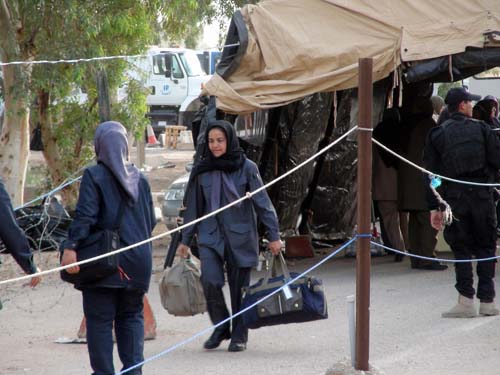
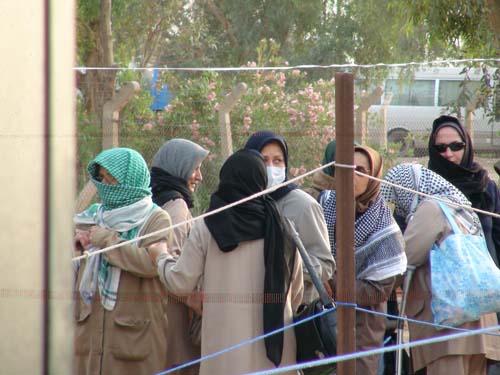
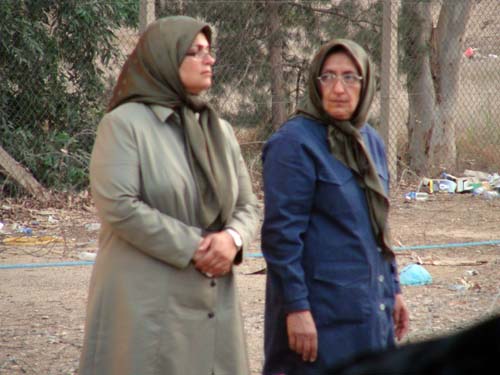
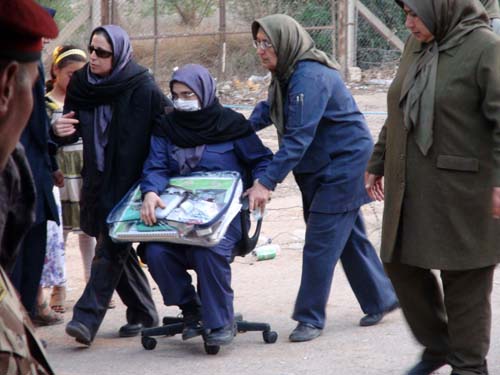
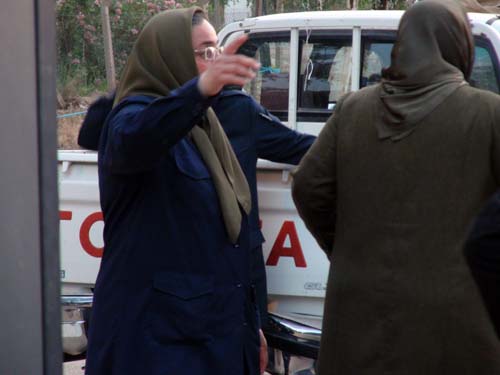
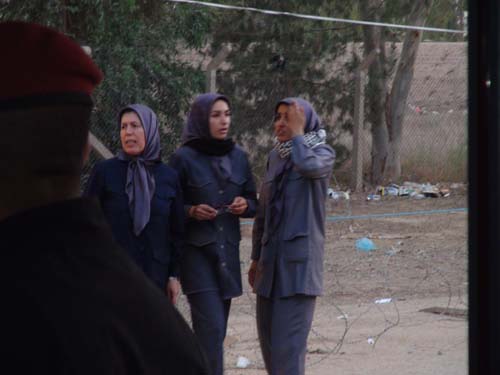
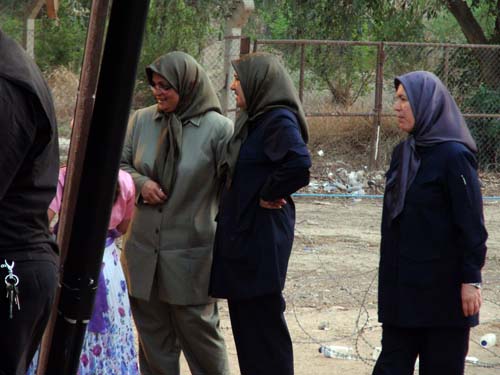
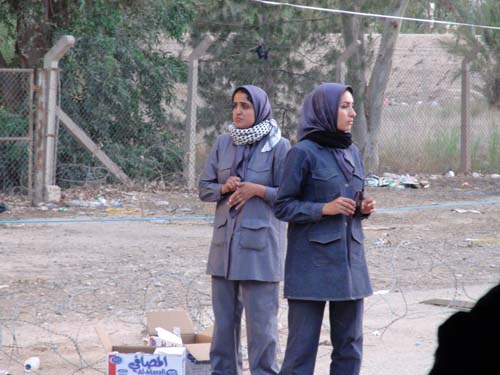
Women had formed a human wall against the base “forty nine” to resist Iraqi forces. (Base 49 was Rajavi’s headquarters where his high ranking commandants were located. Formerly, the base was Massoud Rajavi’s safe house. Of course on that day, Rajavi was not there. It was just a symbolic act to pretend the importance of the base.)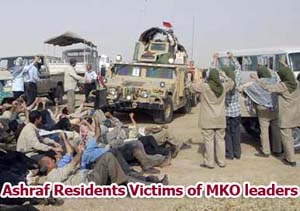
The human wall was formed by young women. They wanted to pretend that Rajavi was in the base ignoring his disappearance since years ago. They cried so badly that the poor rank and file would believe that Massoud Rajavi was really there. This was another fraudulent show by Rajavi to give the false impression that he was in Iraq together with his rank and file!
Among these women, certain men were placed. They had archeries and Molotov cocktails. Surprisingly, the archeries and Molotov cocktails had been prepared two days ago. They targeted Iraqi soldiers out of the female human wall. They had been previously told that Iraqi forces would not attack women so they could simply throw their fire bombs against Iraqi forces.
This way, an Iraqi young soldier was killed. The forces who had so far avoided clash with females, began attacking them…therefore, at noon of several female members of the MKO were killed. The women’s names – mostly youngsters who were newcomers or problematic members- are Saba Haftbaradaran, Marziyeh Pourtaqi, Fatemeh Masih, Mahdiyeh Madadzadeh , Ensieh Rakhshaei, Shahnaz Pahlavani, Faezeh Rajabi and Nastaran Azimi. No high-ranking member was among the killed ones.
Male members were then interrogated in the meetings that were held in the following days. They were asked why they did not resist Iraqi forces, why they escaped the clashes. When the commandants were replied that the rank and file were empty-handed, they blamed them,” you should have resisted, more people should have been killed,” I even heard that they said: “Even if 500 people had been killed on April 8th, we would have won the battle. It was worth. The martyrs we offered on April8th helped us achieve the insurance card for Camp Ashraf. Not the Iraqi State nor any other person can look down on us at Ashraf. “
However, the world witnessed the shutdown of Camp Ashraf about a year and a half later. Members were expelled from the camp, humiliated and despised. Fifty-four members including high ranking members and commandants were killed after the closure of Camp Ashraf. Consequently, Camp Ashraf turned into the dustbin of history…
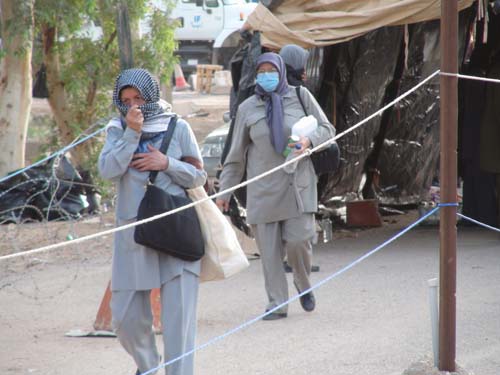
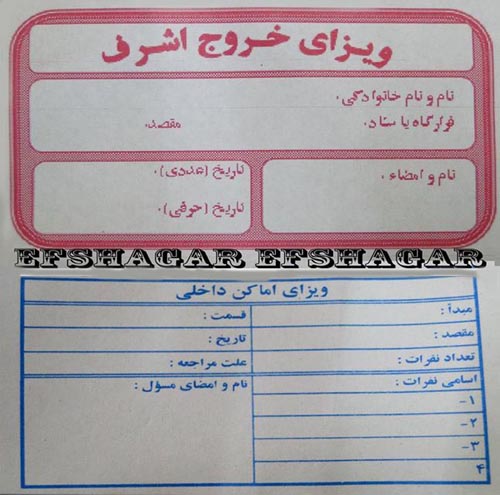 The document released by some dispatched members of the Mujahedin Khalq Organization reveals that the members had to go through strict procedures in order to go out of camp Ashraf and even commuting between different parts of the Camp. they had to fill out a form requiring their name, destination, time it takes for he/she to be out , reason of his/her exit along with signature and approval from his/her superior. The prescribed rules for those who wanted to go outside the Camp Ashraf had been more complicated as the members where required to get the approval of different parts of the organization such as security, personnel and intelligence commands.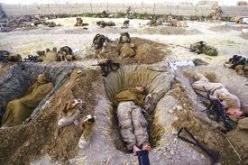
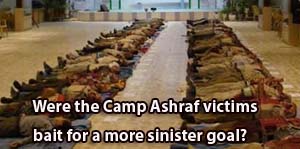 At that time, the MEK announced that 52 of its members had been killed. They published photographs of the victims along with their biographies and claimed that Iran had given the order to attack the camp and that Iraq had carried it out. Both governments denied any involvement and no evidence has been offered to contradict this. Weeks later Iraq announced that the death toll was 53, not 52 as previously claimed by the MEK. The revised figure was due to the fact that the 53rd victim had had his face so badly burned that it took a while to identify him as one of the MEK and not one of the attackers and to discover his true identity. Following this revelation the MEK published a documentary about the 53 in which a picture of Massoud Dalili was shown along with a sample of his handwriting in which he declares that he will never surrender to the enemy, the Iranian regime. In this documentary the MEK refer to them as martyrs.
 representation requesting an investigation into the violence at Camp Ashraf on 1 September.