
Iraq not a secure base for Mojahedin Khalq Organisation (Rajavi cult or MKO) against Iran
In an interview with FNA foreign policy correspondent Iraqi ambassador in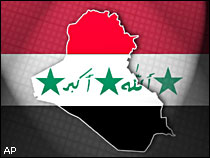 Tehran considered the MKO terrorist group as the ancient enemy of Both Iraqi and Iranian nations. Muhammad Majid Al-sheik also said: We won’t ever let Iraq to become a secure base for those who intend to harm Iraq’s neighbors specifically Iran.
Meanwhile in response to the question that why MKO is not deported from Iraq, Al-sheik clarified: The Iraqi government has always insisted on their expulsion from the country based on the constitution; but the remaining problem is that they’re not welcomed by any other countries due to their evil bloody history.
"We will soon make them leave Iraq if another country accepts to let them in" He added." We also express our readiness to help repatriate to Iran those members who have the intention of getting back to their homeland in accordance with ICRC.
At the end the Iraqi ambassador notified: The families of those imprisoned in Ashaf can file petitions and deliver it to Iraq’s embassy via Iran’s ministry of foreign affairs. Then we will send the petitions to Iraq’s foreign ministry so that the families could follow the case in Iraq in accordance with Iran’s embassy in Iraq
Fars News Agency, May 01 2008
http://english.farsnews.com/
 Since the U.S. invasion of Iraq, Iran’s government has regarded Camp Ashraf warily, but some Iranians are helping MEK members get back home. NPR’s Mike Shuster reports from Tehran.
 operations inside Iran. Iranian authorities have announced that these people must be prosecuted in Iran. I think a list of 50 to 60 people are there who Iranians want them. They want them to be prosecuted.
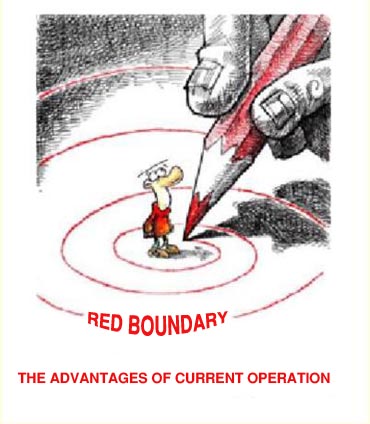 recruits so as not to make a free approval and disapproval of the cult they are invited to join. If the targets are to join and exist in the cult, they must conform to the rules even if they are not privately accepted. Once joined, the targets have to conform to the cult’s standards regardless of having developed an awareness of the existing discrepancy between personal and social standards and those of the cult’s.
 Mojahedin began their military operations in August 1971. Their first operations were designed to disrupt the extravagant celebrations of the 25-century anniversary of the monarchy. SAVAK [the Monarchy’s security-information apparatus] through one of the old member of Tudeh party, who was recruited by them, could infiltrate into Mojahedin and soon was able to arrest another sixty-six members. In the subsequent months, the group lost the whole of its original leadership through executions or street battles. 1


 border, near the Habur (Silopi) official border crossing in Sirnak province in southeastern Turkey. According to eyewitnesses, the Turkish authorities had earlier attempted to forcibly deport 60 people of various nationalities to Iraq through the official border crossing. The Iraqi border authorities allowed 42 Iraqis to enter the country, but refused to admit 18 Iranian and Syrian nationals. The Turkish police then took the 18, which included five Iranian refugees recognised by UNHCR, to a place where a river separates the two countries, and forced them to swim across.