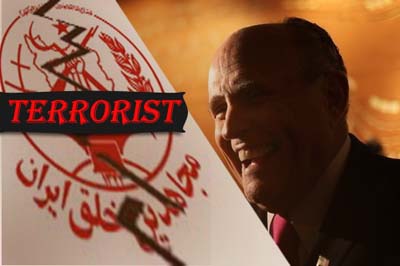
The Islamic Republic of Iran has strongly rejected allegations about the existence of an underground nuclear research center in the northern part of Tehran as claimed by the terrorist Mujahedin-e Khalq Organization (MKO).
In a Wednesday statement, Iran’s Permanent Mission to the United Nations called the allegations reported by The Washington Post “baseless” and “fake”.
“It is regrettable that the newspaper has released false and repeated claims of a terrorist grouplet whose anti-human nature is evident to all,” the Fars news agency quoted the statement as saying.
It reiterated that Iran’s nuclear energy program is peaceful and the allegations by the terrorist group are made out of desperation as Tehran has adopted a logical approach towards the issue.
On Tuesday, the Post quoted MKO members as saying the site, referred to in the report as “Lavizan-3”, has been used “since 2008 to enrich uranium”.
Similar claims by MKO have previously proven false while the group continues attempts to turn the matter into a security.
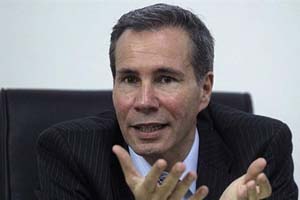
o supervisors, are being questioned as part of an internal police probe into the handling of Alberto Nisman’s death, a source close to the investigation said.
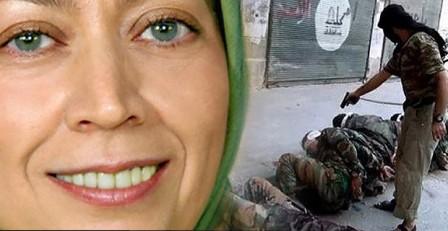
who declined to be named, the MKO terrorists are undergoing training on how to conduct terrorist operations in Iran and Iraq and receiving technical as well as information technology (IT) training from Israeli agents.

about the leaders of the terrorist cult. According to these women, all female members of the MKO were sexually abused by MKO leader Masoud Rajavi. “Comrades in Arms” is the title of a documentary which is to be aired soon on Press TV. The film that was debuted in the presence of Iranian filmmakers as well as former MKO members, investigates the sexual slavery of women and the unlawful affairs of Masouj Rajavi with female members of the cult. According to this documentary, anyone who refused Rajavi’s sexual demands would be killed. Also the three former female members narrate how couple members were forced to divorce only to be accepted into Rajavi’s circle of comrades. The MKO fled Iran in 1986 for Iraq, where it received the backing of Iraq’s executed dictator Saddam Hussein and set up a camp near the Iranian border. The terrorist group also sided with Saddam during Iraq’s eight-year imposed war on the Islamic Republic in 1980-1988 and the massacre of Shiites and Kurds during Iraq’s uprising in 1991. The MKO is listed as a terrorist organization by much of the international community but there is no end in sight for its terrorist operations against the Iranian nation.