Nejat Society
  • Home
  • Articles
  • Media
    • Cartoons
    • NewsPics
    • Photo Gallery
    • Videos
  • Publications
    • Books
    • Nejat NewsLetter
    • Pars Brief
  • About Us
  • Contact us
  • Editions
    • عربي
    • فارسی
    • Shqip
Nejat Society
Nejat Society
  • Home
  • Articles
  • Media
    • Cartoons
    • NewsPics
    • Photo Gallery
    • Videos
  • Publications
    • Books
    • Nejat NewsLetter
    • Pars Brief
  • About Us
  • Contact us
  • Editions
    • عربي
    • فارسی
    • Shqip
© 2003 - 2024 NEJAT Society. nejatngo.org
weekly digest
Iran Interlink Weekly Digest

Iran Interlink Weekly Digest – 283

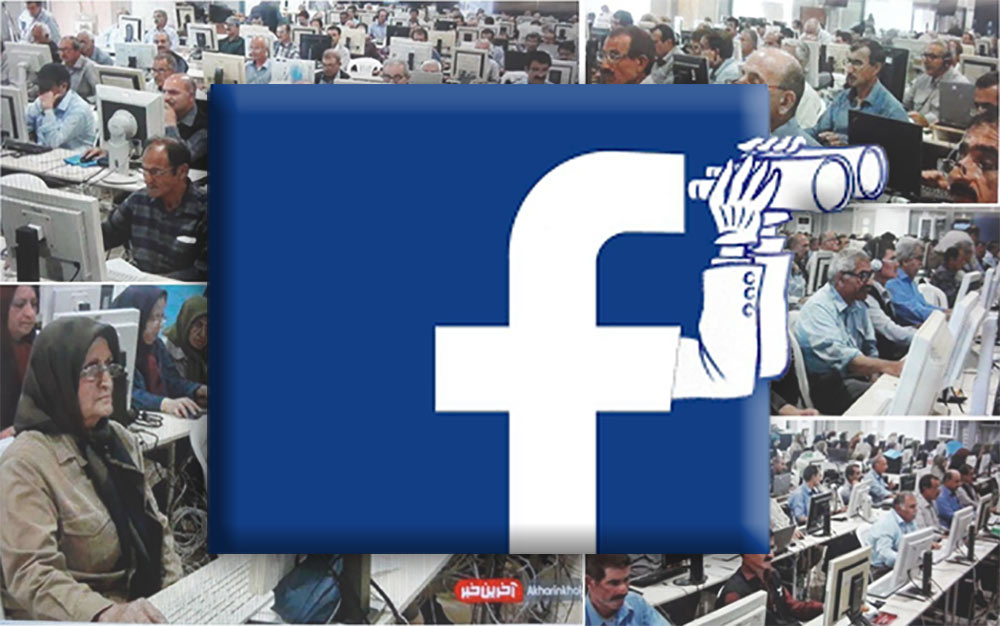
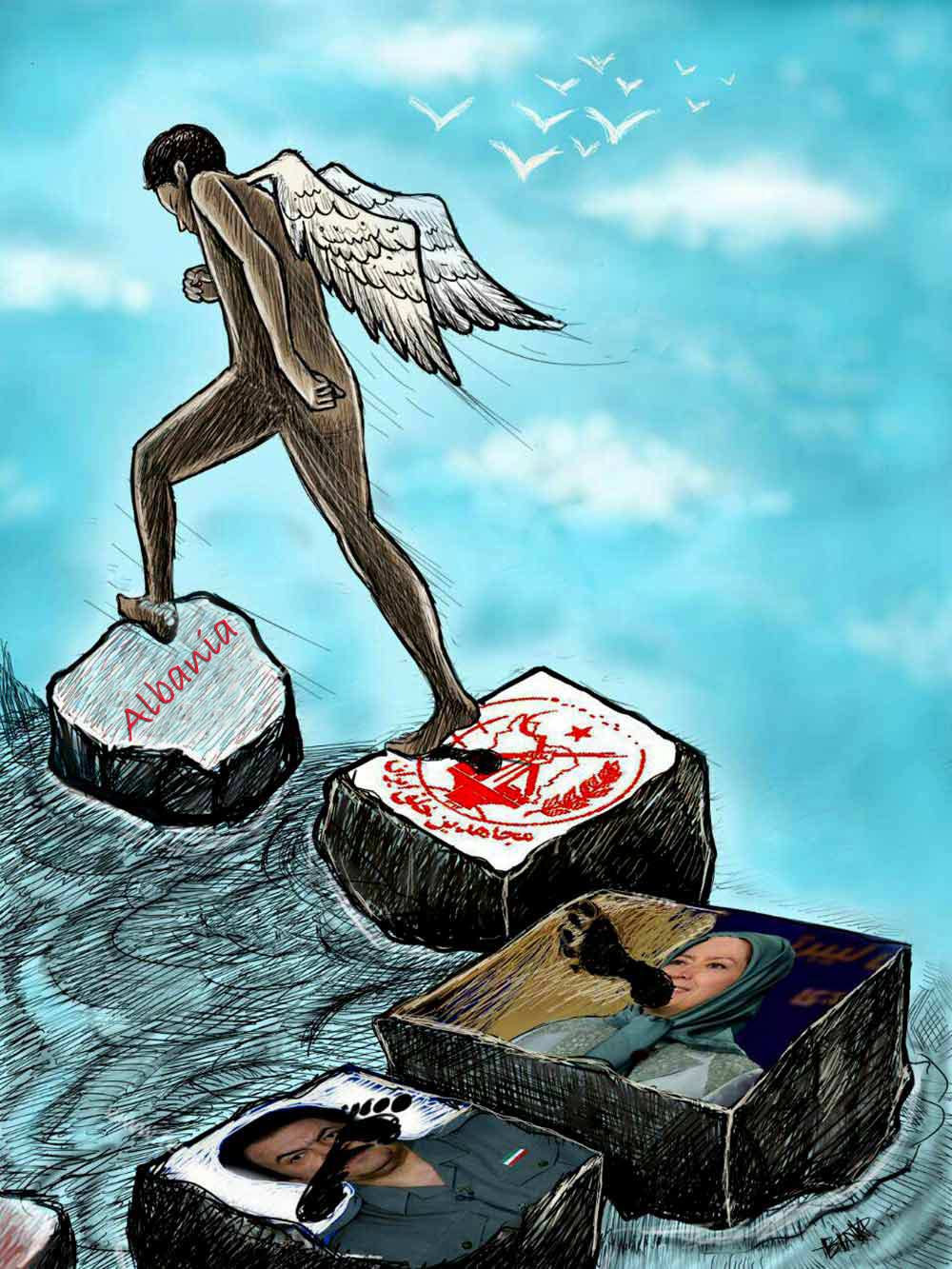
++ There has been a lot of comment in Farsi from inside and outside Iran about Facebook blocking 300 MEK accounts. Outside Iran a London Kayhan article and inside Iran an article by Ebrahim Khodabandeh for Nejat point out that this 300 is just the tip of the iceberg as far as MEK accounts go. Some comments talk about MEK operatives posing as young girls. Some point out the illegal things MEK do online – teaching bombmaking etc. Some refer back to Trump using the Albanian troll farm during the US election. In spite of all this, Facebook hasn’t actually stopped them. Commentary demands that the MEK must be closed. The MEK issued a statement on the NCRI website claiming that this has been a plot by the Iranian regime. However, some ex-members go into detail about their work in the MEK troll farms in Iraq and Albania. They refute MEK’s version with personal testimony and photos of the troll farm.

++ In Iran in the last two weeks online discussions have been held from Yazd with a variety of ministries and Ebrahim Khodabandeh from Nejat. The theme of the discussions was about the future interference by MEK in the election; what they might do. The summary was published this week by Nejat. This goes into bullet point detail about what the MEK have done in every previous election – infiltration, stoking unrest, paying people, advertisements, stopping people voting, fabricating photoshopped pictures, etc. The summary concludes that MEK are at their weakest point ever but are doing still doing what they have tried and failed in before.

++ Every week a few people die in Albania. This week Reza Qoreshi died – one of the known people in MEK. As usual MEK say he was a martyr. Some former members who knew him reacted. They say their memories of him are of a man stuck there saying ‘I have nowhere to go’. One writer recounted that when he escaped MEK, Qoreshi was a prison guard but was nice to him. He wrote, “when I left he wished me luck and said go, and don’t look back. I have got stuck here”. From the UK, Adel Azami wrote a piece titled with a line from a Hafez poem; ‘Those who didn’t escape this dark night’. Azami explains how Qoreshi felt being trapped and recounted that he would openly say that he’d got stuck in MEK.

++ The Islamic Revolution Documents Center published an article called ‘The Embassies War’. The piece was prompted by a question sent to them asking from a historical point of view about the time that MEK attacked Iranian embassies across Europe and North America and what that was about. Dr Javad Mansouri a retired ambassador from that time and Massoud Khodabandeh retired member of the NCRI (LOL) contributed. They explained this history as Massoud Khodabandeh was part of the team who occupied the Iranian embassy in London in the early 1980s. To answer the question, he explained that the main reason for the attacks was to create news so that Massoud Rajavi could ride on it and have interviews. A by-product was that it helped MEK to recruit Iranian refugees and emigres who were prepared to use violence with the promise of toppling the regime in a few weeks or months. Dr Mansouri explained that when MEK attacked these Iranian embassies there was a backlash. The Europeans woke up to the reality that the violent group they are supporting could and did easily undertake violent activities in their backyard as well. This awakening forced MEK stop doing such activities openly in Europe and North America and revert to covert activity.

In English:

++ Global Research published an opinion piece by Massoud and Anne Khodabandeh titled ‘US Iran Talks Undermined by MEK Presence’. The piece looks at the talks in Vienna between signatories of the JCPOA, and the side efforts to start dialogue between Iran and the US. In spite of warnings by the Iranians that MEK would try to derail these efforts, not enough attention was paid to this rogue group. While the US cannot govern Israeli or Saudi responses to the talks, Biden could make a small gesture of goodwill to the Iranians by dealing with the MEK. That his administration does not do this is a signal that he either can’t or doesn’t want to dismantle the MEK, and therefore progress in the talks may stall even over such a small issue.

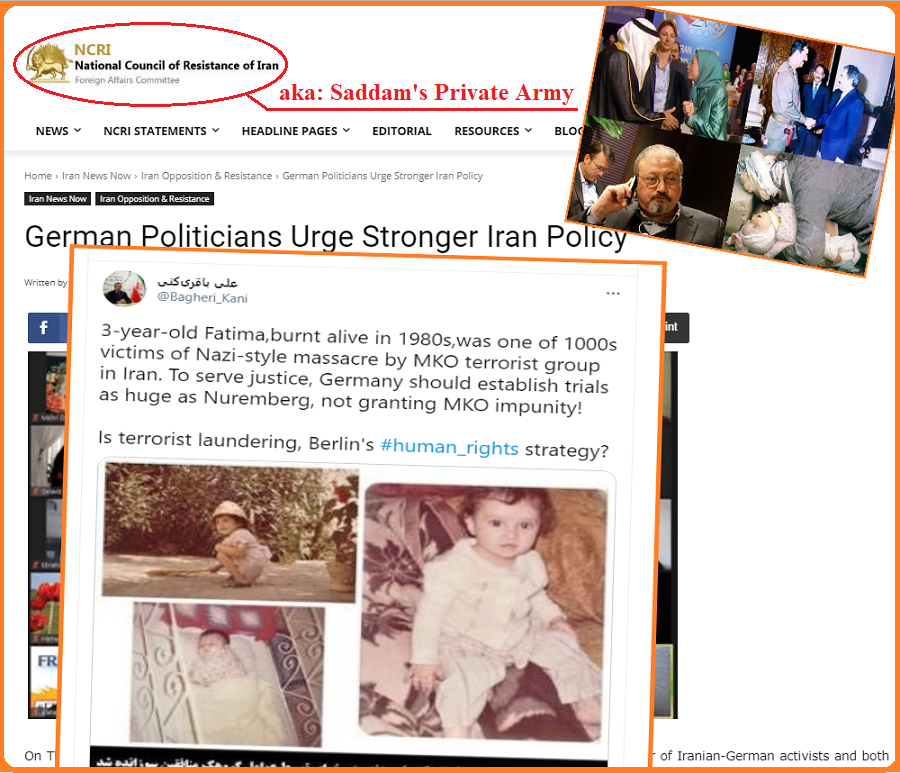
++ Mehr News Agency reported that “The Secretary of Iranian Judiciary’s Human Rights Headquarters took to Twitter to criticize the impunity of MKO terrorist group in Germany, noting that terrorist laundering is Berlin’s human rights strategy.”

++ AP, Alice Taylor for Exit, Ebrahim Khodabandeh for Nejat and others wrote about Facebook removing 300 MEK accounts. They pointed out that this has been ongoing and characterised by fake identities, fake news and fake narratives aimed at perverting western foreign policy toward Iran.

++ Mazda Parsi examines the influence of cults and how the MEK has used cultic abuse to enthral and exploit people to pursue its anti-Iran agenda. Parsi particularly looks at how cult leaders break the bonds between the cult victim and their family. The piece focuses on individual victims such as Rahim Kayukan, trapped in Albania, and his daughter Leila Kayukan who escaped the clutches of the MEK, revealing how MEK operate to create misinformation and defamatory narratives to attack families.

++ Jack Turner in Geopolitica writes that Massoud Rajavi’s son, who he names Mohammad, has sued the MEK and filed a lawsuit against the group because of the abuse he has been subjected to by them. This is in spite of his being the son of the leader and having no interest in the politics of the MEK. Refusing to promote the MEK is enough to condemn anyone as an enemy.

++ The Tehran Times reported that a series of films are to be made on “war hero General Ali Sayyad Shirazi”. The report reminds readers that Shirazi was assassinated by MEK in 1999 by the order of Saddam Hussein.

++ Nejat Society continues its campaign for families to be able to contact their loved ones in MEK. The families have written a letter to the World Health Organisation expressing concern for the residents in the slave camp in Albania because of the COVID-19 outbreak there, and asking for WHO help to contact them.

Apr 16, 2021
April 19, 2021 0 comments
FacebookTwitterPinterestWhatsappTelegramSkypeEmail
Massoud Rajavi
The cult of Rajavi

What happened to Massoud Rajavi’s generation?

“Massoud’s generation“is a title Maryam Rajavi gives to those members of the Mujahedin Khalq Organization (the MKO/ MEK/ PMOI/ Cult of Rajavi) who originally joined the group before the 1979 revolution up to 1985 when recruitment methods of the group changed. The average age of these people is between sixty to seventy years old now.

Ann Singleton

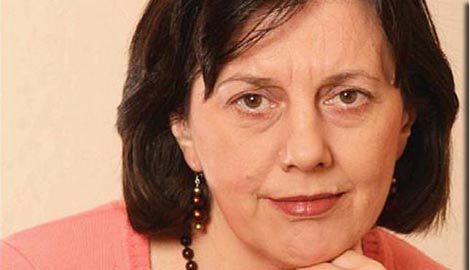
Ann Singleton the British former member of the MEK is the author of”Saddam’s Private Army”, a book on the Cult of Rajavi. In 2003 when the group was in Camp Ashraf, Iraq, the writer believed that Massoud’s generation makes it impossible to regard Mojahedin as an ordinary fighting force.”Certainly, it is not a force which can take on Iranian armed forces,”Singleton writes in the book.”However, it is a force which is prepared to sacrifice itself in such a way that makes it just as useful to Rajavi in the long term. These members are in”to the end”. For them ordinary life has no attraction or meaning. Indeed, one of the Mojahedin’s pejorative terms about their supporters is that they are ‘ordinary people’.”

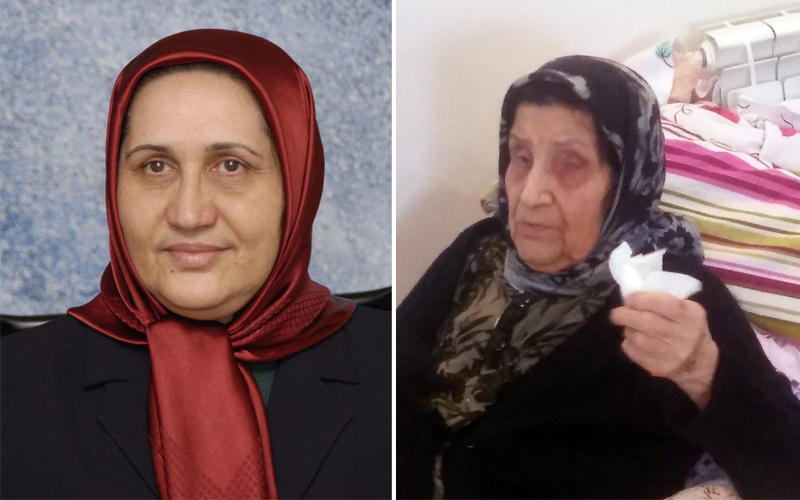
Mahnaz Bazazi mother

Elizabeth Rubin the author of the famous article on the New York Times Magazine,”The Cult of Rajavi“, presents an evidence of what Singlton says. She writes of a woman in Camp Ashraf as”one of the most disturbing encounters“she had in Ashraf. She visited Mahnaz Bazazi, a commander who had been with the Mujahedeen for 25 years up to 2003.

“I met her in the Ashraf hospital,”Rubin writes.”Bazazi was probably on drugs, but that didn’t explain the natural intoxication she was radiating, despite — or perhaps because — she had just had her legs amputated after an American missile slammed into the warehouse she was guarding. The doctor told me he never heard her complain.

”Even in this way, she’s confronting the Mullahs,” he said. Bazazi interrupted him. ”This is not me personally,” she said in a soft high voice. ”These are the ideas of the Mujahedeen. It’s true I lost my legs, but my struggle will continue because I have a wish — the freedom of my country.” At the foot of her bed, surrounded by candles, stood a large framed photograph of Maryam in a white dress and blue flowered head scarf.”

MEK members

Ann Singleton accurately explains this allegedly extraordinary situation.”Members of the Mojahedin exude a kind of attractive purity and intensity of purpose, which on the surface appears as a deep personal confidence and conviction,”she asserts.”Their behaviour however is the result of having lost all their inhibitions and having no personal responsibility for anything or toward anyone beyond obedience to Rajavi. Their existence is completely outside what is recognizable as normal experience. The normal values which govern any society, have no meaning for the Mojahedin. The values of honesty, truth, independent thought, freedom of action to name but a few, have no meaning here.”

MKO defectors in Albania

However, a large number of the so-called generation of Massoud turned out to be ordinary people with ordinary ambitions and values. The Cult-like structure of the group was not so successful in keeping them all in. Many of the early members left the group in recent decades although the majority of defectors still consists of those who were deceitfully recruited as war prisoners or young Iranian job seekers in Turkey.

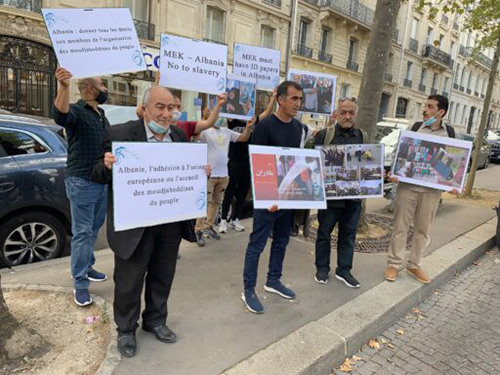
MEK Defectors in Paris

Saeed Shahsavandi, Ali Rastgoo, GhobanAli Hosseinnezhad, Hadi Shams Haeri, Hamed Sarrafpour, Mohammad Hossein Sobhani, Mohammad Razaghi, Masoud Khodabandeh, Ebrahim Khodabandeh, Mehdi Khoshhal, Mohammad Karami, Esmaeel Vafa Yaghmai are just some of the so-called generation who left the group and as soon as they entered the free world they began denouncing the group’s oppressive structure. Somewhere in the path, they started doubting Massoud Rajavi’s indoctrinations and quit. The glamorous portrait of Massoud and Maryam Rajavi shattered in their minds.

Sooner or later this will happen to the other members of the Mujahedin Khalq. Seemingly, Massoud generation is eating Massoud!

By Mazda Parsi

April 18, 2021 0 comments
FacebookTwitterPinterestWhatsappTelegramSkypeEmail
Ashraf 3
The cult of Rajavi

MEK members trapped in Camp Ashraf 3, threatened both by covid-19 and the cult of Rajavi

Covid-19 threatens their physical health and the Cult threatens their mental health

Ashraf 3

April 17, 2021 0 comments
FacebookTwitterPinterestWhatsappTelegramSkypeEmail
Ashraf 3
The cult of Rajavi

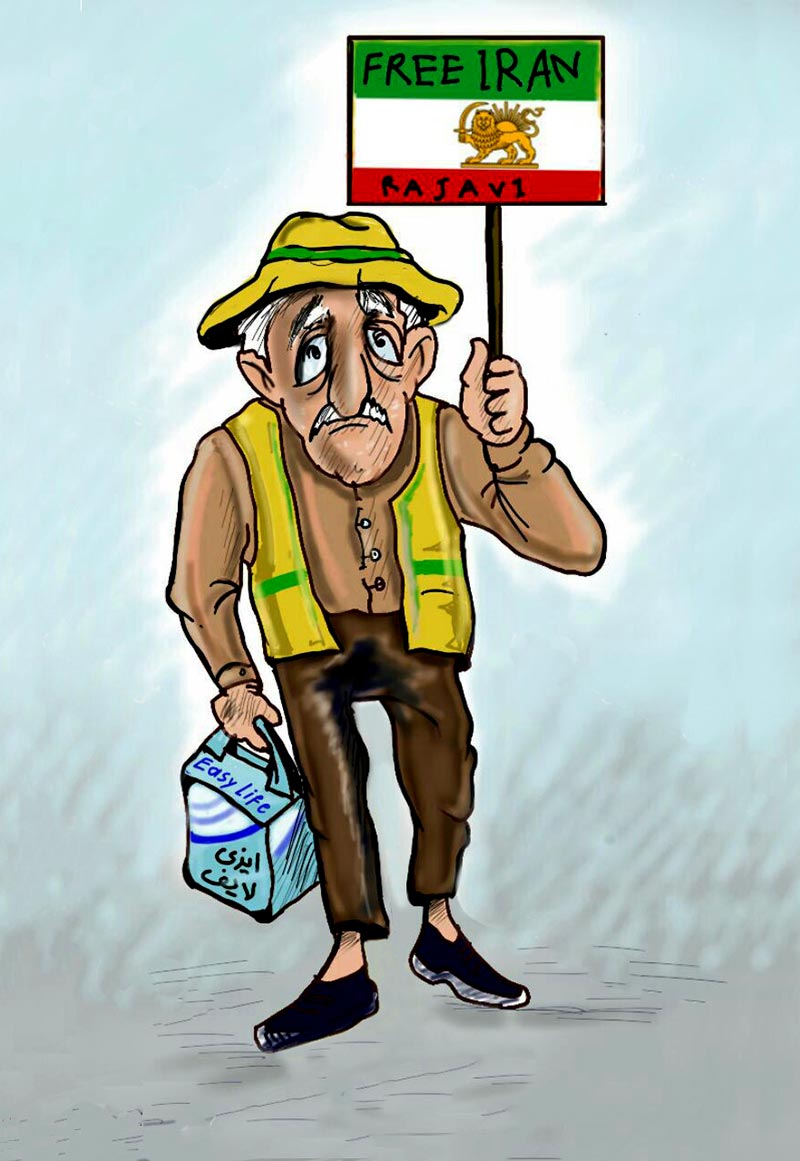
Rajavi’s rank and file to free Iran with elderly diapers

MEK elderlies from nursing home, sick and tired of freeing Iran
Ashraf 3

April 17, 2021 0 comments
FacebookTwitterPinterestWhatsappTelegramSkypeEmail
Albania
Albania

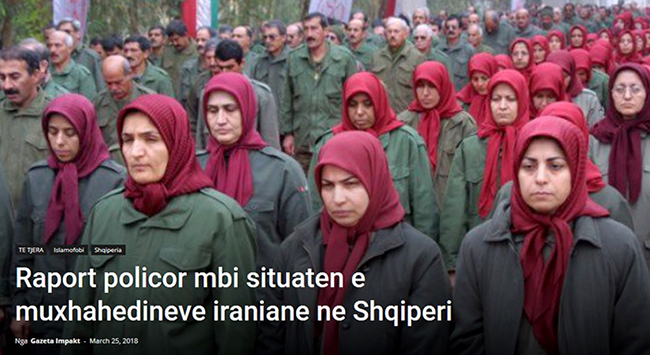
Albanian media cover MEK’s new scandal

Tirana Times: Facebook Removes 300 Accounts tied to Iranian exile group MEK in Albania

A network of 300 Facebook accounts, Pages, Groups and accounts on Instagram which appeared to be run from a single location in Albania and operated by the exiled militant opposition group from Iran, Mojahedin-e Khalq (MEK), were removed by Facebook, due to their “coordinated inauthentic behavior on behalf of a foreign country.” According to the March 2021 Coordinated Inauthentic Behaviour Report published by Facebook, the network “targeted primarily Iran and also global audiences with content related to Iran.” During the investigation, Facebook uncovered three separate clusters of activity, which included “consistent and long-running infrastructure connections between the fake accounts and authentic accounts of MEK-linked individuals and Pages operated from Albania.”

According to Facebook, the network operated by MEK appeared to have been most active in 2017, with another spike in activity in the second half of 2020. Although they posted at high volumes, in general, they failed to build an audience on Fb, with only some exceptions. The people behind this activity relied on a combination of authentic and fake accounts to “post MEK-related content and comment on their own and other people’s posts, including those of international news organizations like Radio Liberty, Voice of America, and BBC. They also frequently posted links to websites and other social media channels affiliated with MEK.” Although the network used a variety of tactics to disguise its fake accounts, the automated system of FB disabled over the years a significant portion of them, while some accounts were also disabled since they violated the Community Standards against violence and incitement.

Regarding the followers that these accounts attracted, Fb reported that about 9,000 accounts followed one or more of the 41 Pages created, about 150 accounts joined at least one of the 21 Groups created, and around 112,000 people followed one or more of the 146 Instagram accounts. There were also 128 accounts on Facebook. The network almost exclusively “posted about events in, or related to, Iran. It routinely praised the activity of MEK and its leaders and criticized the Iranian government,” the report adds. In many cases, the accounts used fake profile names and photos, while other accounts used photos of Iranian celebrities or deceased dissidents.

The operators according to FB routinely shared technical infrastructure, meaning that the same operator could run multiple accounts, and multiple operators could run the same account. “These are some of the hallmarks of a so-called troll farm — a physical location where a collective of operators share computers and phones to jointly manage a pool of fake accounts as part of an influence operation,” said the report of Facebook.

According to the Associated Press, “the National Council for Resistance in Iran, an umbrella group that includes MEK, said in a statement that no accounts affiliated with it or MEK have been removed. The group also denied the existence of an Albanian troll farm affiliated with MEK.”

MEK is an Iranian opposition group many of whose members moved to Albania in 2013, where they live in a camp on the outskirts of Tirana.

facebook

Balkan Insider:  Facebook Clamps Down on Iranian Dissident ‘Troll Farm’ In Albania

By Fjori Sinoruka,

Facebook has closed over 300 accounts belonging to members of the exiled Iranian dissident group Mojahedin-e Khalq, MEK, which is now based in Albania, saying their ‘inauthentic behavior’ violated company policy.

Facebook removed more than 300 Facebook and Instagram accounts belonging to members of an Iranian dissident group based in Albania that had been targeting Iran and content related to Iran.

“The network violated our policy against foreign interference which is coordinated inauthentic behavior on behalf of a foreign entity,” the social media giant said in its March report, “Coordinated Inauthentic Behavior Report”, which it published on Tuesday.

According to the report, the network now taken down was very active in 2017 and in the second half of 2020.

“The people behind this activity relied on a combination of authentic and fake accounts to post MEK-related content and comment on their own and other people’s posts, including those of international news organizations like Radio Liberty, Voice of America and BBC,” said the report.

The People’s Mujahedin of Iran, MEK, is an Iranian opposition group many of whose members moved to Albania in 2013 on the advice of the US. They live mainly in a camp on the outskirts of the capital Tirana.

Facebook added that it will continue to monitor any attempts to re-establish the network by people behind this campaign.

“The operation relied heavily on fake accounts to post and amplify its messages. Some of these accounts went through repeated name changes. Other accounts used the names of deceased members of MEK. Some claimed to be located in Iran but were operated from Albania. All the accounts were overt in their support of MEK and their criticism of the Iranian government,” the report continued.

Some of the fake accounts were a decade old but most of them were created between 2014 and 2016. They were particularly active in 2017, reduced activity in 2018–2019 and resumed in 2020.

April 17, 2021 0 comments
FacebookTwitterPinterestWhatsappTelegramSkypeEmail
Maryam Rajavi
Mujahedin Khalq Organization's Propaganda System

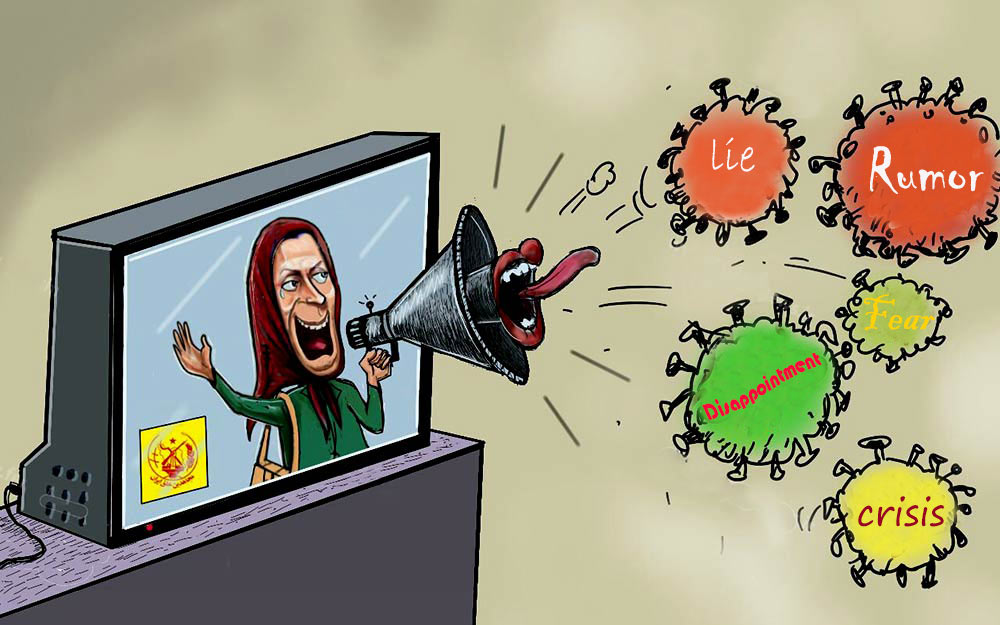
MEK propaganda TV Channel

Rajavi’s propaganda TV channel is nothing but fearmongering, it manipulates news which cause fear by using exaggerated rumors of impending danger

Maryam Rajavi

April 15, 2021 0 comments
FacebookTwitterPinterestWhatsappTelegramSkypeEmail
Bagheri Kadkani tweet
Iran

Terrorism laundering. Berlin’s human rights strategy

The Secretary of Iranian Judiciary’s Human Rights Headquarters took to Twitter to criticize the impunity of MKO terrorist group in Germany, noting that terrorist laundering is Berlin’s human rights strategy.

“3-year-old Fatima,burnt alive in 1980s,was one of 1000s victims of Nazi-style massacre by MKO terrorist group in Iran.”, Ali Bagheri Kani wrote.

He also published the photo of the three-year-old girl who was burned alive to ashes by MKO terrorists.

Bagheri Kadkani tweet

3-year-old Fatima,burnt alive in 1980s,was one of 1000s victims of Nazi-style massacre by MKO terrorist group in Iran. To serve justice, Germany should establish trials as huge as Nuremberg, not granting MKO impunity!

Is terrorist laundering, Berlin’s #human_rights strategy? pic.twitter.com/SdnTKCqpMJ

— علی باقری‌کنی (@Bagheri_Kani) April 11, 2021

“To serve justice, Germany should establish trials as huge as Nuremberg, not granting MKO impunity!”, he said, adding, “Is terrorist laundering, Berlin’s human_rights strategy?”

Meanwhile, European politicians, in Germany and France, are supporting the MKO terrorist group by turning a blind eye to their crimes against the Islamic Republic of Iran.

April 15, 2021 0 comments
FacebookTwitterPinterestWhatsappTelegramSkypeEmail
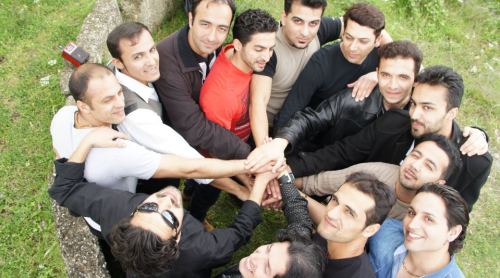
MEK defectors in Albania
Former members of the MEK

Three crucial steps for MEK defectors

Denouncing Massoud and Maryam Rajavi, rejecting rule of the cult, leave Albania to reach free world

MEK defectors in Albania

April 15, 2021 0 comments
FacebookTwitterPinterestWhatsappTelegramSkypeEmail
Ann Singleton
Mujahedin Khalq; A proxy force

Saddam’s Private Army

Ms. Ann Singleton wrote the book Saddam’s Private Army in 2003 on “How Rajavi changed Iran’s Mojahedin from armed revolutionaries to an armed cult”

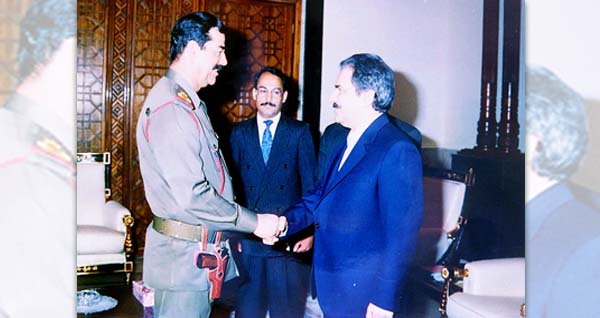
Rajavi and Saddam

To read the book click here

Part One – From prison to Ideological Revolution

Chapter 1 – Historical context
Chapter 2 – Rajavi’s first bid for power
Chapter 3 – National Council of Resistance
Chapter 4 – Foreign Relations
Chapter 5 – Armed Struggle
Chapter 6 – Internal Relations
Chapter 7 – Ideological Revolution

Part Two – From Ideological Revolution to Cult Status

Chapter 8 – Internal Relations
Chapter 9 – Armed Struggle
Chapter 10 – Foreign Relations
Chapter 11 – Rajavi’s second bid for power
Chapter 12 – Internal Relations
Chapter 13 – National Council of Resistance

Part Three – The Mojahedin in the Present

Chapter 14 – Dissent within the Mojahedin
Chapter 15 – Political Scene

To read the book click here

April 15, 2021 0 comments
FacebookTwitterPinterestWhatsappTelegramSkypeEmail
heshmat alavi
Mujahedin Khalq Organization's Propaganda System

MEK network use GAN techniques

The Mujahedin-e-Khalq (MEK), an Albania-based militant organization dedicated to the overthrow of the Iranian government, has long played an unusual and outsized role in online discourse about American foreign policy toward Iran. The group, which is classified as a terrorist organization by Iran and Iraq, is reportedly behind a fake Twitter “sockpuppet” persona named Heshmat Alavi with over 80,000 followers, who has been featured in publications such as Forbes, The Hill, and The Daily Caller. Alavi’s account frequently shares personal criticism of foreign policy specialists who are perceived as dovish toward Iran, and despite its artificiality, its content regularly percolates into the wider anti-Iran discourse by real people on Twitter. While Twitter prohibits coordinated inauthentic behavior, standalone inauthentic accounts are not against the platform’s terms of service, effectively enshrining a place for this runaway sockpuppet success in the Middle East’s political milieu.

heshmat alavi

MEK does, however, also carry out coordinated inauthentic influence operations on social media as well — and one such troll farm operating in Farsi, Arabic, and English was taken down on Facebook in March. The network, which primarily targeted Iranians and accumulated a global following of about 120,000, included 128 Facebook accounts, 41 Pages, 21 Groups, and 146 Instagram accounts. Facebook also took down networks of several dozen Facebook and Instagram profiles from Iran targeting Israel; about two dozen accounts from Egypt targeting Ethiopia, Sudan, and Turkey; and several dozen domestically-oriented accounts in Israel.

The MEK network, which was the largest taken down in March, used fake personas with faces created by an artificial intelligence technique known as a generative adversarial network, or GAN — the seventh of its kind that Facebook has identified and taken down. A GAN pits two AIs — a generative network and a discriminative network — against one another: the generative network is trained on a data set to generate new, artificial entries that fool the discriminative network to identify them as genuine. The most visible use of this technology has been to generate fake human faces that achieve photorealistic verisimilitude, but it has also been used to create fake art, fake chemical compounds, and (of course) fake cats.

While GANs and other technologies like deepfakes raise alarming prospects for the future of disinformation, researchers have sought to soften some of the public’s concern. Small irregularities often slip past the discriminative network, such as deformed ears, asymmetrical glasses, mismatched earrings, unusual clothing, or bizarrely unreal backgrounds. While sometimes these abnormalities are readily apparent and even jarring to a human viewer, often they can be quite subtle, especially with a human intermediary supervising the algorithm.

By Michael Sexton
Fellow and Director of MEI’s Cyber Program

April 15, 2021 0 comments
FacebookTwitterPinterestWhatsappTelegramSkypeEmail
Newer Posts
Older Posts

Recent Posts

  • The black box of the torture camps of the MEK

    December 24, 2025
  • Pregnancy was taboo in the MEK

    December 22, 2025
  • MEPs who lack awareness about the MEK’s nature

    December 20, 2025
  • Why did Massoud Rajavi enforce divorces in the MEK?

    December 15, 2025
  • Massoud Rajavi and widespread sexual abuse of female members

    December 10, 2025
  • Facebook
  • Twitter
  • Instagram
  • Youtube

© 2003 - 2025 NEJAT Society . All Rights Reserved. NejatNGO.org


Back To Top
Nejat Society
  • Home
  • Articles
  • Media
    • Cartoons
    • NewsPics
    • Photo Gallery
    • Videos
  • Publications
    • Books
    • Nejat NewsLetter
    • Pars Brief
  • About Us
  • Contact us
  • Editions
    • عربي
    • فارسی
    • Shqip