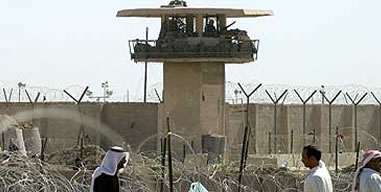
Rajavi cult refuses Mehdi Fathi safe passage to France for medical treatment
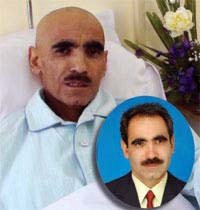 Mr Mehdi Fathi, a hostage of the Washington backed Mojahedin Khalq (MKO, MEK, NCRI, Rajavi cult) terrorist group died in Camp Ashraf (CIA protected MKO HQ) in Iraq one year after the Rajavi cult (Mojahedin Khalq) leaders refused to allow his return to France for medical treatment.
The leader of the Mojahedin Khalq is a fugitive. He has been in hiding since the fall of his last benefactor Saddam Hussein. But his third wife Maryam Azodanloo (Rajavi), based at the European HQ of the terrorist cult, today blamed the Government of Iraq and Iraq’s Prime Minister Noori Al Maliki, for the death of the hostage.
According to the statements issued by the cult leaders, the deceased, Mehdi Fathi, had been suffering from cancer. He was admitted to Baquba hospital when it was too late for treatment. But the demand for his transfer to his home in France was denied by the leaders of Mojahedin Khalq (Who themselves live under protection of American and Israeli secret services in Paris).
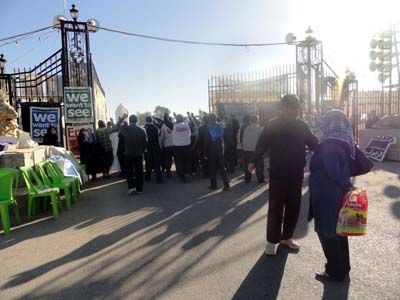
The news of the death of yet another hostage of the Washington-backed Mojahedin Khalq terrorist organisation coincides with a meeting tomorrow morning of Iraqi tribe leaders, Iraqi dignitaries and officials as well as media representatives and reporters at the gates of Camp Ashraf. The meeting includes the families hostages have picketed outside the camp for the last 10 months demanding the simple right to visit their loved ones.



 about the fate of 3000+ innocent followers of Rajavi trapped in his cult. The aim behind the establishment of Sahar Family Foundation was to follow the best interests of the Ashraf inhabitants. The question is of course how these interests can be fulfilled in the best way.
 n rights group said that under the direct order of MKO’s Ringleader Maryam Rajavi, leaders of the terrorist group in the Camp of New Iraq (formerly known as Camp Ashraf) have made any kind medical, health and other services to the members dependant on the level of their cooperation.
  death sentence because of his crimes which include his role in eradicating rival political-religious parties while holding power during the Ba’athist regime. Aziz had been on trial in a long-running case in which he was accused of being part of a campaign of persecuting, killing and torturing members of the Shiite opposition and other banned parties. [2]