Nejat Society
  • Home
  • Articles
  • Media
    • Cartoons
    • NewsPics
    • Photo Gallery
    • Videos
  • Publications
    • Books
    • Nejat NewsLetter
    • Pars Brief
  • About Us
  • Contact us
  • Editions
    • عربي
    • فارسی
    • Shqip
Nejat Society
Nejat Society
  • Home
  • Articles
  • Media
    • Cartoons
    • NewsPics
    • Photo Gallery
    • Videos
  • Publications
    • Books
    • Nejat NewsLetter
    • Pars Brief
  • About Us
  • Contact us
  • Editions
    • عربي
    • فارسی
    • Shqip
© 2003 - 2024 NEJAT Society. nejatngo.org
Former members of the MEK

Consequences of Working with Terrorists

Although MKO defectors are being protected in a separate camp, have stopped organizational ties with this group and have quitted terrorist operations, and although they have been interviewed by the UNHCR, the process of transferring them from Iraq has been suspended so that the residents of this camp have gone on hunger strike.

Meanwhile, the website of Hambastegimelli, whose authors interfere in the affairs of these defectors, quoted Mr. Emanuel Giang the head of UNHCR in Iraq as saying: "The process of transferring and resettling these people in a third country is very long and complicated. Their presence in Iraq and their past ties to the MKO are important factors that can slow the process."

Opposition of governments to granting refugee to defectors in TIFF (against the will of UNHCR) and other problems which will come for the residents of this camp and also residents of Camp Ashraf certainly are the consequences of working and cooperating with a terrorist organization. That’s why they face the opposition of governments despite the international regulations that entitle them to choose freely their destination. The governments and authorities preserve their own right not to allow the entrance of these people, with the background of working with a terrorist group, into their countries.

The total dismantling of MKO is the best solution for all the members in Iraq, that’s why after the fall of Saddam, Massoud Rajavi, who saw it was not possible to construct his organization anywhere else, ordered his forces to insist on staying in Iraq.

September 6, 2006 0 comments
FacebookTwitterPinterestWhatsappTelegramSkypeEmail
Iraq

Iraq, MKO, and the Near Future

Mojahedin’s TV, Simaye Azadi, is these days heavily focusing on reflecting the attempts seemingly taken in support of MKO’s stay in Iraq. The heavy coverage of news reports in this respect and their frequent repetition in different news, political, and Direct Contact programs indicate that the issue of its future stay in Iraq has entered a new phase. At the present, the group’s propaganda blitz is switched on two external and internal fronts. The former front consists of relying on the putative influence of some personalities and political bodies and, eventually, on the coalition forces present in Iraq to take position against the legally elected Iraqi government. In respect to internal front, the group tries to boost Iraqi people’s support and creep into the escalated gap between the political rivals to take advantage of the existing discord to induce support.

Regardless of being legal or illegal, Mojahedin utilize any lever to secure their stay in Iraq; they might even turn to direct and indirect violence and escalating political and ethnic conflicts to achieve their ends. Already sensing the precariousness of their situation in future Iraq, Mojahedin have maintained a different tone in their messages aimed at the Iraqi authorities. The statement claimed to be issued by 25 Sheikhs of the Dialy province, publicized by the Mojahedin’s TV nearly a month ago, particularizes MKO’s change of literature and tactic.

There is no doubt that these statements are from soup to nuts prepared be Mojahedin themselves. That is enough to compare excerpts from these statements to what Mojahedin utter. Some times ago, Sedighe Husseini, a secretary to MKO, in a program celebrating the century-long anniversary of the Constitution Revolution of Iran in Camp Ashraf, annexed Mojahedin’s destiny to that of Iraqi people and said “If it is to talk of democracy and a democratic Iraq, then, a key parameter is the way Mojahedin are treated”.

A quote from the statement of the Dialy Sheikhs nearly connotes the same opinion:

“Thus, the degree of patriotism and popularity of any current can be judged with the scale of opposition to these interferences and, consequently, amity and respect to Mojahedin Khalq”.

A remarkable point to be noted in the statement is the naive justification of the threatening tone. In a part of the statement the Sheikhs are quoted they would defend Mojahedin at all costs because any aggression against Mojahedin means a threat against Dialy people:

“The last twenty years experiences indicate that whenever Mojahedin came under the political and military targeting of Iranian regime, the ultimate and main targets have been the Iraqi people, the national and democratic forces, and particularly the Dialy people. Any offense and aggression against Mojahedin prepares the background for the next perpetrations”.

Frankly speaking, the statement denotes that Mojahedin have to be necessarily protected if nothing is to happen to Dialy people. That is to say, the Dialy Sheikhs have concluded to support and defend Mojahedin to secure their own immunity against any threat. That is why the statement tries to stress the inseparable destiny of the two sides:

“Mojahedin Khalqhave been living among us with peace and camaraderie for two decades and we consider them to be members of our community and tribe. Any offence and aggression against them is known to be a threat against our people and tribe which binds us to protect their life and property in any condition”.

It has recurrently been asserted that Mojahedin are the ones best enjoying dominant disorder, instability, ethnic discord, and presence of the coalition forces in Iraq. Such a chaotic situation calls off any decision for their future stay in Iraq. The more the discordant Iraqi factions and groups advance to form a national unity, the more Mojahedin start new games to annex their destiny to that of Iraqi people, as they are doing with the Dialy Sheikh’s statement. The tone indicates that:


– in near future, Mojahedin are to face a military threat

– the Dialy people are prone to the consequences

– the impending confrontation is inevitable


The statement Mojahedin are advertising on behalf of Dialy Sheikhs exactly follows the same trend the group strived to further before starting the military phase in Iran in 1981. The difference is that this time not Iranian people but the innocent Iraqi people, and particularly the Dialy people, might be the victims of the group’s adventurous plots and violence. In their opinion, if their future political interest in Iraq is prone to threat, the price has to be paid by people to live in a state of tension and disorder.

That is the first statement of the kind indirectly intended to address the Iraqi authorities. The Iraqi authorities should be attentive of the threatening tone of the message since Mojahedin have been warned of expulsion from Iraq. The past historical experiences well indicate Mojahedin’s ravaging potency to open an outlet in the face of stalemate. Nuri al-Maleki’s reference to infiltration of Mojahedin’s agents into different Iraqi institutions discloses a fact that Mojahedin might get apropos advantage of these agents.

Jahanbakhsh Rahnama – Mojahedin.ws – September 2, 2006

September 6, 2006 0 comments
FacebookTwitterPinterestWhatsappTelegramSkypeEmail
Mujahedin Khalq as an Opposition Group

MKO a Clique of Zionist circles

According to IRNA, in a six-page report, released at the International Atomic Energy Agency’s Vienna headquarters on Thursday, the UN nuclear watchdog chief Mohammed ElBaradei said Iran’s peaceful nuclear activities have been based on the nuclear safeguards and under complete supervision of the Agency.

The report is in total contradiction to what MKO deems a golden opportunity to escalate tension between Iran and the European sides. While the Europeans have come to understand that the best solution to Iran’s nuclear dossier is negotiation, MKO’s website condemns the trip by Ali Larijani to Germany for further talks with Javier Solana. It quoted Iran’s Foreign Ministry spokesman, saying: “The upcoming meeting between Larijani and (Javier) Solana will determine the next steps. … Now is the time of speaking of dialogue and negotiations. Issues such as sanctions are mostly brought up by Zionist circles in order to put pressure on Iran”.

Seemingly, not paying the least attention to Iran’s spokesman’s reference to “Zionist circles” as seekers of imposing sanctions on Iran, MKO repeats the same Zionists dictated words immediately after his quote saying: “As the Iranian Resistance had reiterated at the beginning of negotiations between the European Three (E3) and the religious dictatorship ruling Iran, the only way to force the Iranian regime to adhere to the demands of the international community is to pursue a decisive policy including the imposition of urgent comprehensive sanctions against the regime”.

You need not to be so smart a man to tell these are the words of not a pro-democratic current but a belligerent group that prefers violent methods for any solution. That is because MKO survives through tension and disorder.

mojahedin.ws –  05/09/2006

September 6, 2006 0 comments
FacebookTwitterPinterestWhatsappTelegramSkypeEmail
Missions of Nejat Society

Dreaming for Liberty

Salvation

Salvation

September 5, 2006 0 comments
FacebookTwitterPinterestWhatsappTelegramSkypeEmail
Nejat Publications

Pars Brief – Issue No.27

1.    Nejat Society Letter to the Prime Minister of the Republic of Iraq

2.    Evidence of Mojahedin’s crimes

3.    Zebari: MKO Never Allowed to Act in Iraq

4.    No Place for MKO in New Iraq

5.    Canadian Parliamentary Secretary asked to apologize for supporting MKO

6.    Iraq plans to remove Pentagon’s proxy force

 
Download Pars Brief – Issue No.27

September 5, 2006 0 comments
FacebookTwitterPinterestWhatsappTelegramSkypeEmail
The MEK; Baath Party Accomplice

Chemical Ali Ordered MKO to Kill Kurds

In an article in PUK-backed newspaper "Al-Ettehad", Shahab Al-Ghare Losi published documents on Chemical Ali and pointed to the role of MKO in massacring Iraqi Kurds.

Shahab Al-Ghare Losi writes:

"Ten audio tapes have been obtained from the house of Ali Hassan Al-Majid- known as Chemical Ali- on the operation of Anfal against Kurds and also on the suppression of 1991’s uprising. These tapes are about the meetings of Chemical Ali on the issue of Kurdistan."

In one of the tapes, dated April 15, 1988, Chemical Ali says:

"None of the villages should remain in this region until the next summer. We should transfer the people to townships and camps and control them. Their transfer from the villages to the North of Iraq is inevitable. From now on, I cut their water, electricity, oil, sugar, flour. Why should we let them live like donkeys and understand nothing? For their wheat? Well, I don’t want their wheat. We have been importing the wheat since 20 years ago and we can do it for more 5 years."

In the meeting, Chemical Ali stresses the need for evacuation of villages and says: "their homes should be destroyed completely. The people should be taken to labor camps and no one of them should be allowed to return."

In another meeting with the officials of sovereign provinces (as written on the tapes) on March 26, 1988, Chemical Ali emphasizes that Kurds should be forced to immigrate. He questions the ability of the army and Baath officials for doing this and brings their attention to the possible forces the army can take advantage of. "After all these years, why are the saboteurs still at large? They are looking at the way we function. Our orders and functions are not powerful enough".

He also says: "Jalal Talabani asked me to open a dialog channel with him. That night, I went to Suleimanieh and targeted them with special weapons." By special weapons, he meant "chemical weapons". He adds: "I won’t talk with Talabani and won’t stop the forced immigration plan unless the war has ended with Iran and Iranian troops have left the regions they captured. When the plan ends, we will start a large scale war against them and will try to recapture one-third of the lands. We will surround them in the valleys and then target them with chemical weapons. This chemical attack will last for 15 days. I don’t name these chemical weapons because it’s banned but I declare that we will defeat them with these new destructive weapons. We will follow them up to Iranian borders and then we will order the MKO to attack them there."

AlIttihad – IranDidban translation –  2006/09/02

http://www.alitthad.com/paper.php?name=News&file=article&sid=18831

September 4, 2006 0 comments
FacebookTwitterPinterestWhatsappTelegramSkypeEmail
Iraq

Iraq Must Get Rid of MKO

"Democracy or the Return of Shaabanieh Uprising" by Dr. Latif Vakil, professor of political science in the universities of Berlin and Denmark, has been published in Iraqi newspaper "Ghandil". In the article, mostly on the reasons of Iraq’s occupation by the US, terrorists and active Baathist groups in Iraq, Dr. Vakil pointed to the MKO and wrote:

"If we look at the policies of the US in Iraq, it will seem funny that the MKO- an international terrorist organization- is being protected by Americans. Before accusing Iran of sponsoring terrorism, the US should extradite terrorists of MKO to Iran because these people are the masters of Iran’s terrorists.

Were Saddam’s mercenaries destroyed? Or did they infiltrate Iraqi society? How many of them were killed? How many were captured by Justice? What’s important is that these armed criminals are at large, are in touch with each other, and continue their assassinations. However, it’s even more painful that some of these people returned to power and hid their past under new names or fake movements…

If we can’t stop Baathists, we should at least get rid of MKO and other Baathist groups that were involved in suppressing the uprising of Shaabanieh.

Baathists’ homes should not be the safe havens for terrorists like Zarqawi and other mobs who have no mercy for religion or the country. We warn these terrorists- who believe in terrorism as the only way of defense- that the time will come when we will take them out of their shelters, like what we did with their master Saddam Hussein."

Irandidban – 2006/09/03

September 4, 2006 0 comments
FacebookTwitterPinterestWhatsappTelegramSkypeEmail
Iraq

MKO in Iraqi Court

General prosecutor in Iraq’s Supreme Court announced that the court is investigating the issue of plundering Iraq’s resources. This case includes oil revenues, granted by the former regime to the groups and individuals.

In an interview with Aswat Al-Iraq, Jaafar Mosavi said: "In this case, the issue of oil revenues is on the agenda."

In January 25, 2004, Al-Mada newspaper published a list containing 275 former ministers, representatives, journalists, national and international figures and some organizations such as the MKO; these groups and individuals received oil revenues in exchange for being faithful to Saddam and conducting his orders.

Al-Ghad newspaper

September 4, 2006 0 comments
FacebookTwitterPinterestWhatsappTelegramSkypeEmail
Raymond Tanter

Iranian leaders to be savaged by dead sheep

There is an expression in English which wonderfully describes the totally ineffectual attack by a impotent enemy. We say it is like being savaged by a dead sheep.

Raymond Tanter, without further explanation, is quoted in an article (http://metimes.com/articles/normal.php?StoryID=20060823-085142-7397r)

about Iran’s nuclear programme, saying "that legitimizing the MeK will rattle the saber of regime change over Tehran’s head enough to send a stern message to Tehran."

When you stop laughing at this long enough, you will appreciate how apt the saying is.

The MeK ‘threat’ is an ageing – average age around 50 years – and disillusioned group of slaves numbering less than 3,000, who have been camped out in the Iraqi desert for over two decades and who are now waiting to be rescued from the cult. Nobody knows this better than the Islamic Republic of Iran itself.

Isn’t it about time this particular dead sheep [the MeK] was well and truly buried and the leaders brought to justice for war crimes and crimes against humanity.


Original Source: Middle East Times

Commentary: New Middle East realities

Claude Salhani

UPI

August 23, 2006

Iran-Interlink, August 31, 2006

September 3, 2006 0 comments
FacebookTwitterPinterestWhatsappTelegramSkypeEmail
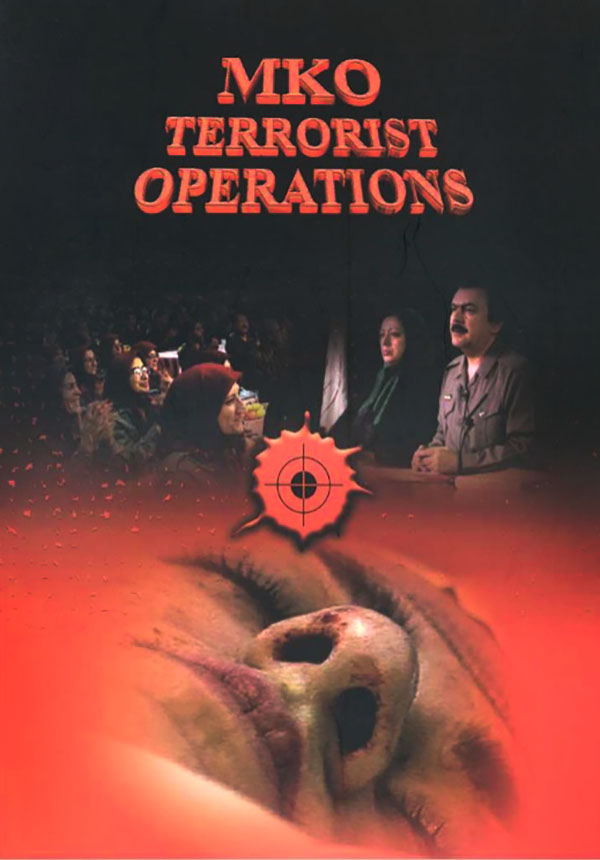
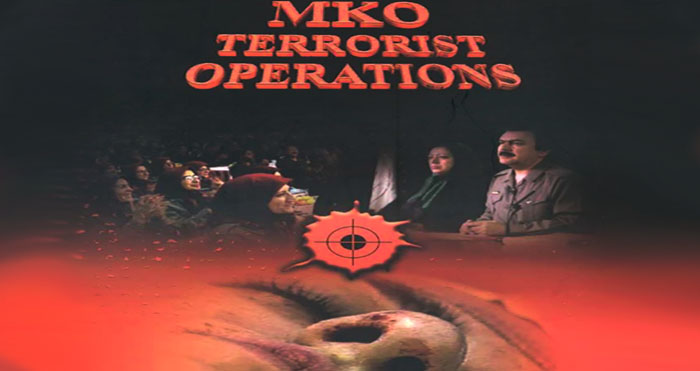
MKO Terrorist Operations
Missions of Nejat Society

MKO Terrorist Operations

The Bulletin indicates the mortar attacks and bombings of Iranian cities resulted in the injury a of innocent civilians and damage to their property. MKO claimed the responsibility for those operations by issuing press releases following the incidents.

This bulletin as an illustrated, documentary evidence of MKO atrocities, works well to illuminate facts on the terrorist nature of MKO and the cause for its proscription as a terrorist organization.

MKO Terrorist Operation

Download MKO TERRORIST OPERATIONS- Unit 1
Download MKO TERRORIST OPERATIONS Unit 2
Download MKO TERRORIST OPERATIONS – Unit 3
Download MKO TERRORIST OPERATIONS – Unit 4

September 3, 2006 0 comments
FacebookTwitterPinterestWhatsappTelegramSkypeEmail
Newer Posts
Older Posts

Recent Posts

  • Why Neither Pahlavi nor the MEK Can Claim to Represent Iran?

    October 31, 2026
  • Tactical Links Between the MEK and Separatist Groups in Iran

    October 26, 2026
  • Echoes in an Empty Room: MEK Propaganda, Western Media Silence, and the Cuneo Case

    October 24, 2026
  • Various Aspects of Massoud Rajavi’s Disappearance

    October 20, 2026
  • MEK agents near schools in Tirana, Albania

    October 17, 2026
  • Facebook
  • Twitter
  • Instagram
  • Youtube

© 2003 - 2025 NEJAT Society . All Rights Reserved. NejatNGO.org


Back To Top
Nejat Society
  • Home
  • Articles
  • Media
    • Cartoons
    • NewsPics
    • Photo Gallery
    • Videos
  • Publications
    • Books
    • Nejat NewsLetter
    • Pars Brief
  • About Us
  • Contact us
  • Editions
    • عربي
    • فارسی
    • Shqip