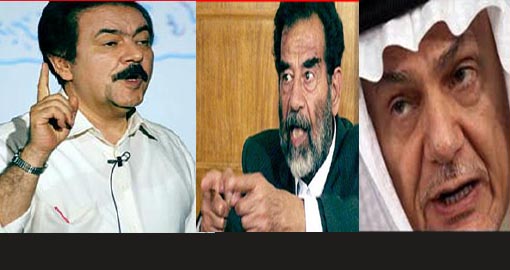
In an official MEK (Mojahedin-e Khalq of Iran, aka MKO) meeting, a Saudi guest speaker mentioned that Massoud Rajavi is dead. Prince Turki Al-faisal, who is a member of the Saudi Royal family and the former head of the KSA spy agency, gestured to Maryam Rajavi twice while directly saying “your late husband”.
For a long time the MEK has refused to talk about the situation of their leader and master Massoud Rajavi. They have tried to provide an account in which he is hidden, while many others believe that he died when Iraq was attacked by American forces in 2003. Dead or alive the MEK is still following the rules and regulations which are designed by Rajavi. The Ideological Revolution, which forbids MEK members from getting married and forces them to live collectively in isolated gender-segregated houses and attend self-criticism meetings, is still being followed. These are all standards which were designed by the leader who has disappeared.
Another legacy of Rajavi for this Organization is working for the notorious enemies of Iran, and this is still being practiced. Rajavists became a part of Saddam’s army during the Iran-Iraq war. However, their participation was more beneficial to the Iranians than to their master. In this era they did not have any military or political victory which could change the playing field on their behalf. Information they provided for Saddam was not beneficial either. The MEK lost many of their loyal forces in combat and provided a good source of propaganda for hardliners in Tehran.
After the fall of Saddam and in order to get removed from the US terrorist list, they approached right wing conservative US politicians who were negotiating for a military attack on Iran to stop its nuclear activities. At the same time the MEK enjoyed a good relationship with the occupation forces in Iraq – although after being used, the MEK was thrown away by its American handlers. US military sources who were assigned to interrogate members of the organization claimed that they exaggerated their power and information in a way that throws doubt on all of their claims. Nevertheless, the US left the MEK in the deserts of Iraq and the ongoing war in Iraq has cost the life of many MEK activists.
The third phase in which the MEK has tried to attach itself to a wealthy power is the Syrian civil war. Although the MEK had had a long term relationship with Saudi intelligence, this strengthened since the Syrian war began. During this period they approached the KSA embassies in European capitals claiming they have information to sell about activities of Iranians in Syria and Lebanon. Being so desperate to have anything against Iran, the Saudis began to invest in the MEK – even though the historical facts show that investing in the MEK is not a win win game. It seems rather that the KSA has a propaganda plan for internal use. They are fully aware that the MEK is not what it claims. The MEK provides information from open sources which are not accurate. Therefore, Saudi intelligence’s pay and play with this organization shows that they want to use it for their internal affairs. For example, to show the new King that they are working!
The Saudis have had many failures in their intelligence war on Iran. A former Iranian activist and reformist individual who spent some time in Evin prison 209 section as a high-security prisoner, claims that he had seen two individuals accused of spying for the KSA. Both cases were very humorous, he said. In one case the Iranian national arrested for espionage sold translations of articles and interviews of Iranian military officers published on the IRGC website, claiming that it is confidential information that only he has access to.
The second case involved an Afghan man who was spying for Saudi for a long time. After his arrest he told his cell mates that the Iranian interrogator had information about him which could only have been obtained from his handlers inside the Saudi service. He was mocked by his interrogator for working for people inside Saudi intelligence who were actually working covertly for Iran!
Thus, considering these examples, it can be concluded that Saudi Intelligence officers are trying to grab at anything they can against Iran to satisfy their king. It is very unfortunate for the MEK because the average age of Saudi Kings is usually between 5 to 10 years and after choosing a new king a new policy will be enforced.
The Saudis have accidentally announced the death of Rajavi. This does not indicate a very professional new master for the MEK.
Arash Pirouz,
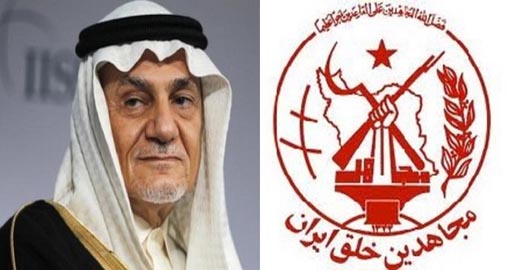 support not only for regime change in Iran but for one of the strangest would-be agents of overthrowing the Islamic Republic. Prince Turki bin Faisal al-Saud, the former head of the Saudi intelligence agency and a longtime ambassador to the U.S., spoke to a gathering of thousands of Iranian exiles in Paris. The group was gathered to fête Maryam Rajavi and her movement, the Mojahedin-e Khalq (MEK), a group that, until 2012, the United States and other Western countries listed as a terrorist organization.
 behest. Instead it turned into a Grand Controversy of a different kind. This annual propaganda show advertises Rajavi’s propaganda skills in order to secure continued funding from regime change pundits. This year was dramatically different due to the unannounced presence of Prince Turki al-Faisal, former Saudi ambassador to the UK and US. Certainly not a person you invite from a list in a speakers’ agency.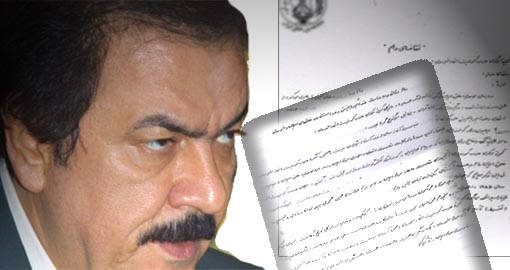


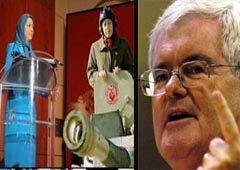 ns.
ns.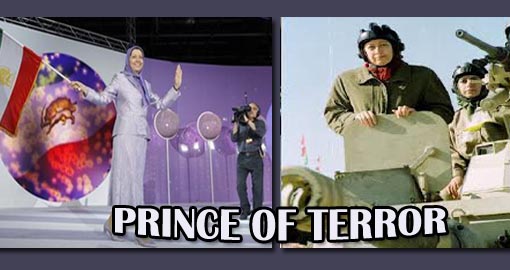 slick, sophisticated terrorist recruiter’s advert has popped up which ISIS itself could learn from.
 standing side by side to show their “solidarity with the people of Iran”.