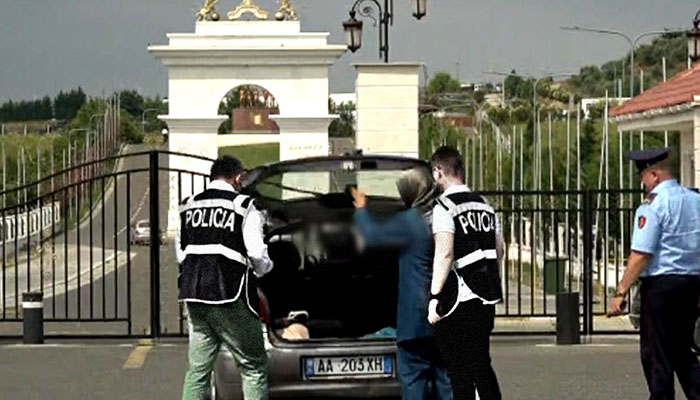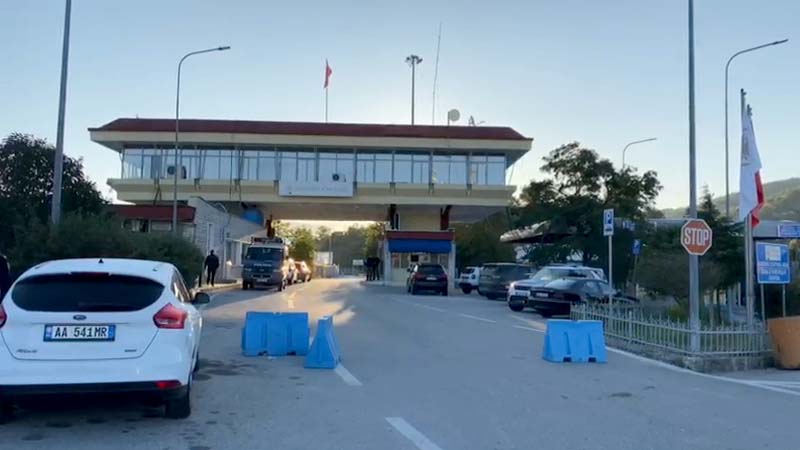
The Mujahedin-e Khalq (MEK) is currently under criminal investigation in Albania for suspected cybercrime, inciting war, and other offenses, according to Balkan Insight. This comes after Albanian authorities conducted a raid on their Ashraf 3 camp in Manza, Durrës, on June 20, 2023.
The investigation, led by Albania’s Special Structure against Organized Crime and Corruption (SPAK), centers on allegations including “provocation of war,” “unlawful interception of computer data,” “interference with computer data,” “interference with computer systems,” and “misuse of devices”. These offenses are suspected to have been committed within the framework of an “organized criminal group”.
During the raid, police seized approximately 150 devices, including computers, laptops, and USBs. Albanian authorities state that the raid was conducted lawfully and that the MEK had committed to refraining from political activities when they were resettled in Albania between 2013 and 2016.
Beyond the recent raid, the MEK has faced other accusations and investigations. In March 2021, Facebook accused the MEK of running a “troll farm” from their Albanian base, leading to the closure of over 300. There have also been reports of former MEK members alleging restrictive practices within the camp, including limited contact with family and strict internal rules. Thus, the group’s presence and alleged activities pose several risks to Albanian national security, primarily due to its long-standing conflict with Iran and the resulting retaliatory actions by Iran against Albania. The MEK’s danger to Albanian national security stems from several factors:
Iranian Retaliation and cyberattacks
Albania’s decision to host approximately 2,500 MEK members between 2013 and 2016, resettled from Iraq, has made it a target for Iran. The Iranian government views Albania’s accommodation of the MEK, which presents itself as a future government-in-exile and allegedly carries out cyberattacks against Iran, as a hostile act. This has led to a significant escalation in cyberwarfare, with Iran launching damaging cyberattacks against Albania’s critical digital infrastructure.
For instance, on September 7, 2022, Albanian Prime Minister Edi Rama publicly attributed a series of cyberattacks to the Islamic Republic of Iran, leading Albania to terminate diplomatic relations with Tehran. These attacks were believed to be retaliation for Albania sheltering the MEK.
Strain on Albanian Resources and International Relations
Hosting a controversial opposition group like the MEK places a significant burden on Albania’s security apparatus and diplomatic relations. The ongoing threat of Iranian retaliation necessitates increased cybersecurity measures, intelligence gathering, and law enforcement efforts, diverting resources that could be used elsewhere. The situation also requires Albania to seek continuous support from allies like the U.S. and NATO in the cybersecurity realm.
MEK’s Cult-like Behavior and National Security Implications
The concern that the MEK’s cult-like behavior poses a threat to Albanian national security is a significant aspect of the ongoing debate. Critics and former members describe the MEK as having a rigid hierarchical structure, demanding absolute loyalty from its members, and isolating them from external influences. This isolation and control over members’ lives could make them vulnerable to exploitation or manipulation, potentially leading to actions that are not in Albania’s best interest.
The potential for a group operating outside the full oversight of Albanian law, with its own internal rules and command structure, raises concerns about sovereignty and the rule of law. Moreover, if the MEK were to engage in activities that provoke international incidents or internal unrest, Albania’s national security could be directly jeopardized.
MEK’s unauthorized activities in Albania
Regarding the MEK’s violent background, Albanian authorities have specifically investigated allegations of unauthorized political activities, financial irregularities, and the use of their Albanian base, Ashraf 3, for cyber operations targeting Iran, which could be seen as a violation of Albania’s neutrality and sovereignty.
SPAK has been actively involved in these investigations, conducting raids and seizing assets as part of their inquiries into alleged money laundering and terrorist financing. The Albanian government stated that the June-2023 operation was based on suspicions of the MEK using Albanian territory for activities that violate the country’s laws and international agreements, specifically mentioning cyberattacks against foreign states and the unauthorized use of their compound for political and security operations. These investigations are ongoing and involve allegations of money laundering, tax evasion, and the misuse of their humanitarian status.
The Albanian government’s actions suggest a growing concern that the MEK’s presence and activities are not merely a humanitarian issue but a complex security challenge requiring robust legal and investigative measures.
Mazda Parsi