
Iraqi Human Rights Minister says the terms of Geneva Conventions do not apply to the terrorist anti-Iran Mujahedin Khalq Organization (MKO). 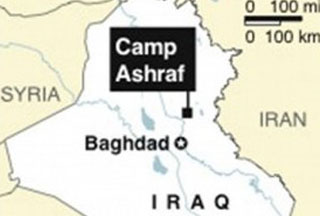
Wijdan Mikhail Salim said conditions for asylum seeking as well as the terms of Geneva Conventions do not apply to the members of the group, Mehr news agency reported.
She said "only the Universal Declaration of Human Rights applies to them," under which,she added, the members shall be humanely treated, are entitled to necessary services and should not be subjected to forcible return to their country.
Salim said that the Iraqi government has taken the very first step to relocate the members of the group from their headquarters, Camp Ashraf, to a camp inside Baghdad under the supervision of the United Nations, the International Committee of the Red Cross (ICRC) as well as US forces.
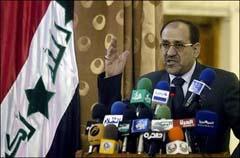
Prime Minister Nouri al-Maliki said earlier that Baghdad was seeking to relocate the terrorist organization to a remote detention facility in the southern parts of Iraq as a prelude to expelling them.
After the announcement of the plan, some 120 US lawmakers, in a resolution, warned Iraqi leaders about relocating the members of the group and called on US President Barack Obama to stop the relocation of members of the MKO.
"We are here to call on whoever will listen, the Iraqi government the US government, to halt the forcible relocation of the residents of Camp Ashraf," Democrat Bob Filner told reporters.
On December 15, Iraqi police called on the nearly 3,500 residents of the camp to leave their base as a first stage towards leaving Iraq. Members of the group, however, defied the order.
Iraqi army Colonel Bassel Hamad told reporters that camp residents were aware since October 19 that "they are to be cleared out today and moved elsewhere while respecting international human rights standards."
The MKO, which has been residing in a camp to the northeast of Baghdad for two decades, was exiled from Iran and resettled in Iraq in 1986, where it enjoyed the support of former Iraqi dictator Saddam Hussein and US-led forces after the invasion of the country in March 2003.
The group is responsible for numerous acts of violence against Iranian civilians and government officials as well as Iraqis during the reign of Saddam.
Baghdad has vowed to expel the group as it holds it responsible for destabilizing Iraq through terror attacks.
 the U.S. withdrawal from the country has nothing to do with security, and developments in the field will not affect the withdrawal already scheduled by the U.S. and Iraqi governments.
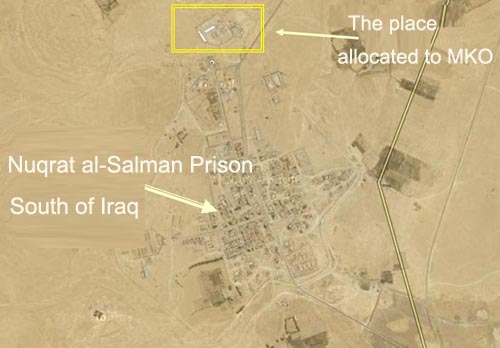 Iraqi security forces raided Camp Ashraf, the terrorist group’s camp granted by former Iraqi dictator Saddam Hussein, two months ago and has called for their ouster.
 profession. Although now an accumulation camp of some disarmed members of a once liberation army, Ashraf preserves its importance for Rajavi because of its potentialities in implementing suicide threats and formation of human shields that may lead to some crises. Possibly, Rajavi’s insistence on the strategic significance of the camp is a ploy to deflect the attention of the Iraqi Government from what is much noteworthy than a piece of land.
 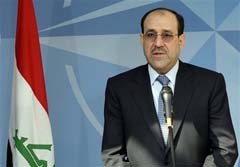 after they committed crimes against the Iraqi people, exercised terrorism, cooperated with the Bathists and interfered in domestic affairs, said a statement by al-Maliki’s office.
  According to a statement issued by Maliki’s office: "The Prime Minister today received the new President of the International Red Cross mission in Iraq McKenna Bart."