
Ringleader of the terrorist Mujahedin-e Khalq Organization condemned the execution of 16 terrorists in the southeastern city of Zahedan.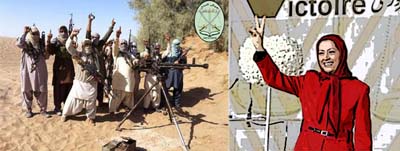
In its statement released on Saturday, the terrorist MKO group gave a cold shoulder to the terrorist attack in Saravan and killing of 14 Iranian border guards and described it as an “attack on a center of suppressive forces in Saravan”.
The Friday’s attack carried out by a group known as Jaish al-Adl left 14 Iranian border guards killed and 4 others wounded. The victims were a number of young soldiers who were on military service at a border post near border with Pakistan.
Condemning the execution of 16 men affiliated to terrorist and anti-Iranian groups who had been arrested, tried and sentenced to death several years ago, Maryam Rajavi urged “referral of the file” to the UN Security Council.
The MKO’s statement in support of the armed terrorist groups in southeastern parts of Iran is nothing but a gesture of solidarity by a group which claims that it is a “democratic opposition” which has “renounced violence.”
 in Ahwaz [ a city near border] were children who were playing soccer, chasing each other and speaking Persian. I noticed children’s playing in other cities too. I was really impressed … I thought when I was at their age I was experiencing war. Those days, most nights we were awaken by air raid siren and had to go to shelters. We had only two TV channels and a lot of passionate revolutionary slogans… basically I don’t think my generation can claim to have had a childhood.”
 the notorious group.
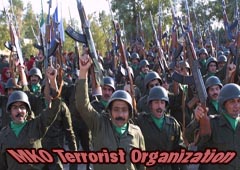 massage which was released on the MeK’s website, all those who have taken a position against this terrorist group anywhere in the world, are threatened to the fate of martyred Iranian officials such as Sayyed Assadollah Lajevardi, General Ali Sayyad Shirazi, and Ayatollah Sayyed AbdolKarim Hasheminejad.
 “The US wants to utilize them (MKO members) as a tool to undermine the Islamic Republic of Iran and also the Saudis want to utilize them as a means to destabilize, discredit and derail the political process with the ultimate goal of dismantling the newly democratic Iraq,” Zayd al-Isa said in a Monday interview.
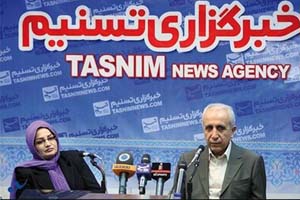 nature of the group which has a long history of hostility and terrorist attacks against the Iranian nation. Ebrahim Khodabandeh and Maryam Sanjabi had been working for the MKO for over 20 years before escaping from the group’s camp in Iraq almost 10 years ago.