
The focal point of the recent statements of Mowaffaq al-Rubaie, the Iraqi security advisor, on MKO has been the necessity of detoxifying the ideological bastion of Ashraf to make its residents decide their own destiny. Also, it can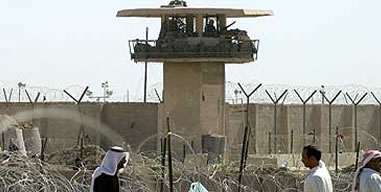 be used as a model for averting the potential danger of other cults and guaranteeing the freedom of their members. He further referred to the radical nature of MKO as one of their primary features and stated:
We believe that if we can separate individuals from the all-encompassing domination by their leaders, we can allow them to begin to exercise their rights as individuals and make appropriate choices. That is, we hope to remove them from the toxic effects of their indoctrination and leaders.
These statements confirm the truth of the solutions offered so far by MKO detached members and experts of cultist relations. Furthermore, they prove the idealist viewpoints of the Iraqi security advisor toward the terrorist, ideological, and cultic nature of MKO. Although as a man of authority, he has to just take the political and security aspects of this issue into consideration, yet his attention to humanitarian aspects of the issue reveal his goodwill in finding a peaceful and appropriate solution for the challenge posed by Mojahedin to the Iraqi government and it is praiseworthy.
Meanwhile, Mojahedin have made a hostile and abusive propaganda war against him following his made statements. Despite the unethical and abusive reaction of the organization, the formal fair position taken by Mowaffaq al-Rubaie toward this terrorist and cultic group signifies his charity and tolerance. On the other hand, Mojahedin still grab at the lever of threat and aggressive behavior for postponing the enforcement of the decision made by Iraqi government in expelling them. The international bodies and western advocators of the organization have to take this point into consideration that the Iraqi government is doing its best to pursue its legal demands through international conventions and prohibit any kind of suicide attack and disaster in Camp Ashraf despite the hostile propaganda blitz of the organization.
Mowaffaq al-Rubaie has provided comprehensive explanation on the policy and position of Iraq toward MKO in his interview with Anne Singleton and now it is on the western countries and advocators of Mojahedin to find a fair solution for this challenge in an idealist mood far from any false judgment and prejudice. This needs the clear reports of Iraqi government on the course of events to prohibit Mojahedin from misusing the present circumstances.
At the time being, Iraqi officials can prepare the ground for Ashraf residents to make an informed decision and be master of their own destiny forever and free from cultic relations of MKO. It may also determine the final destiny of the organization once forever. The present conditions and regional transitions confirm the fact that Mojahedin have no hope in the future and are faced with a cul-de-sac.
It has to be acknowledged that these determining measures in themselves cannot solve any problem and all depend first of all to the will and decision of Ashraf residents. They have to move a step forward for building their free future. The focus of Mowaffaq al-Rubaie in removing the pressure of MKO leaders on Ashraf residents is an optimal solution for their detoxification and breaking the bonds of cultic relations. The entrance of Iraqi forces to Camp Ashraf and interrogation of all Ashraf residents under the control of international bodies that is an imminent event may pave the way for Ashraf residents to choose either their personal interests and a free life or organizational relations that have captured them for more than three decades in its chains. This solution that has been repeatedly offered so far yet needed legal levers and a relative majesty of law to be achieved. It seems that the present conditions have prepared all means for setting this solution into action and detoxifying Camp Ashraf. The rest depends on the will of Ashraf residents and their degree of awareness of their humanistic and legal rights.
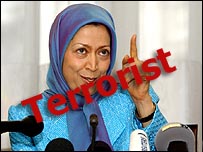
 terrorist cult-like group People’s Mujahedin of Iran ( PMOI,MKO, MEK),with its numerous websites uses the World Wide Web to launch its psychological warfare and propaganda . PMOI also uses the web for its fundraising, recruitment activities.
  invasion against Iranians will never end with a better situation for Iranian nation but with death and destruction and more hostility between the two countries.