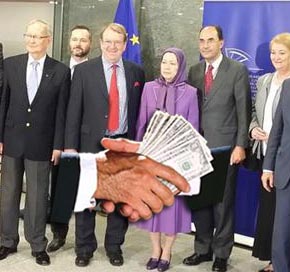
A national political movement typically requires ideological elasticity, a broad social coalition, adaptability to diverse cultural norms, and an open, democratic internal structure that allows for organic growth alongside civil society. The Mujahedin-e Khalq (MEK) struggled to achieve this for several structural reasons.
Ideological Syncretism and Sectarian Tightening:
Founded in 1965 by Mohammad Hanifnejad, Saied Mohsen, and Ali-Asghar Badizadegan, the organization initially sought to synthesize progressive Islamic theology with modern Marxist socio-economic analysis (seeking a “scientific Islam”). While this appealed to a specific stratum of university students and radicalized intellectuals under the Pahlavi monarchy, it lacked the broad cultural resonance of traditional Shi’a clerical networks or the universal appeal of secular nationalism. Following the devastating internal ideological purge of 1975—known as the Opportunist Crisis (ضربه اپورتونیستی), in which a splinter faction declared itself Marxist—the leadership under Massoud Rajavi doubled down on an intensely regimented, dogmatic interpretation of revolutionary Islam, purging dissent and narrowing ideological boundaries.
Militarism over Civil-Political Integration:
From its inception, the PMOI’s strategic bedrock was armed struggle. While this was seen as a necessary response to the absolute repression of the Shah’s dictatorship, the organization struggled to transition from a clandestine guerrilla network to an open, mass-based political party after the 1979 Revolution. After the revolution, the MEK quickly reverted to a binary paradigm of violent confrontation –killing dozens of civilians– rather than building durable, non-violent coalitions with the wider spectrum of the Iranian democratic opposition, civil rights groups, and nationalist fronts.
The Exile and Military Alignment Phase:
Following the relocation of the organization’s leadership and primary military infrastructure first to France and later to Saddam Hussein’s Iraq (where they formed their so-called National Liberation Army of Iran) proved to be a fatal blow to their domestic nationalist credentials. Aligning with a foreign government engaged in a devastating eight-year war against Iran, alienated the vast majority of Iranians, who viewed the move as an unforgivable breach of national sovereignty.
Anti-National and Controversial Actions of the Organization
Throughout its history, several specific actions, tactical decisions, and structural developments alienated the MEK from the broader Iranian public consciousness:
Relocation to Iraq During the Iran-Iraq War:
In the mid-1980s, transferring the PMOI base of operations to Ba’athist Iraq and establishing the National Liberation Army (NLA) under the patronage of Saddam Hussein during active wartime destroyed their standing as an independent nationalist alternative. For most Iranians—even those deeply opposed to the clerical regime—national defense against a foreign invader superseded internal political grievances.
Sectarian Internal Dynamics:
Over the decades, particularly during their encampment at Camp Ashraf in Iraq and later in Albania, observers, human rights organizations, and former members documented deeply insular, cult-like internal practices. Mandatory ideological sessions, the enforced separation of families, and absolute loyalty demands directed toward leadership figures Massoud and Maryam Rajavi alienated potential allies within the broader Iranian intellectual and diaspora communities.
The Escalation of Urban Guerrilla Warfare (Post-June 1981):
Following the institutionalization of the Islamic Republic and the dismissal of President Abolhassan Banisadr, the MEK initiated a nationwide armed campaign in June 1981 involving bombings, targeted assassinations of high-ranking clerics and officials, and armed street clashes that ended with the assassination of civilians.
Rigid Rejection of Gradualist or Moderate Reform:
Throughout the 1990s and 2000s, the organization maintained an all-or-nothing political posture, famously dismissing reformist movements within Iran. This alienated pro-democracy reformers inside the country who were attempting to carve out gradual spaces for civil society.
a political movement earns and sustains the backing of an entire nation through several fundamental pillars. Uncompromising commitment to national sovereignty, primacy of civilian and democratic norms, ideological inclusivity, internal democracy and accountability are the four pillars that the MEK has failed to engage in its half-a-century long history.
Mazda Parsi
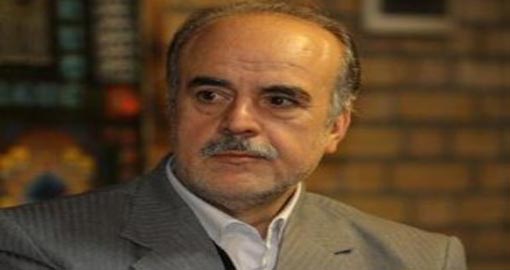
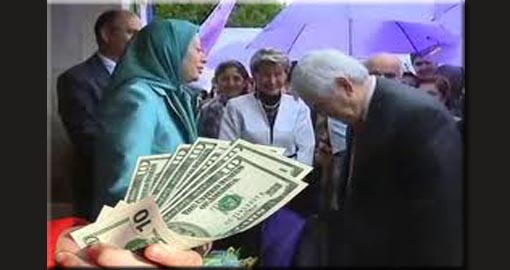

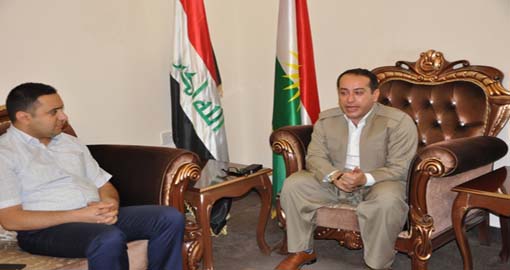 News, “Kurds have been victims of the MKO as it was cooperating with Saddam Hussein.”
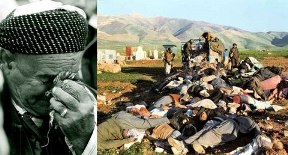 March 16 however marks the anniversary of the day in 1988 when Iraqi war planes and artillery pounded the Kurdish town of Halabja in northern Iraq with mustard gas and the deadly nerve agent sarin. Some 5,000 people – mainly women and children – died on the day, and up to 12,000 have lost their lives since. A packed rally in Westminster allowed Kurds and sympathisers to remember this tragedy inflicted on them by Saddam Hussein.
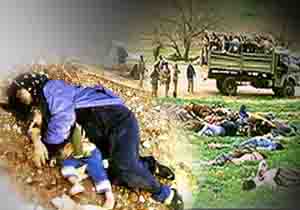 also after Saddam at the hands of US-led Western governments who are more concerned with access to the regional oil resources and with perceived strategic interests other than human welfare and also by extremist groups taking over parts of the country . Although the government of Iraq is trying hard to stabilize the country it still has problem confronting terrorists.