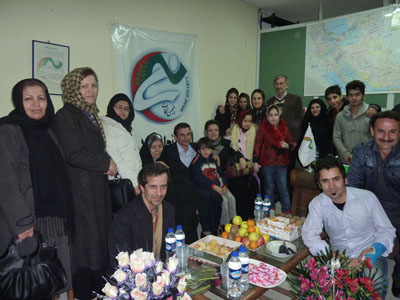
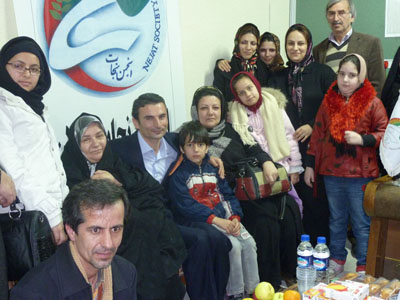
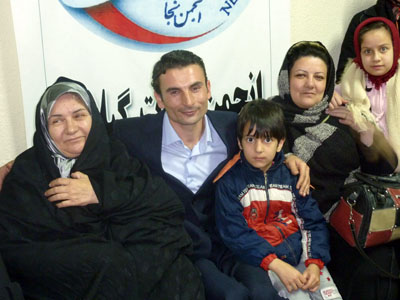
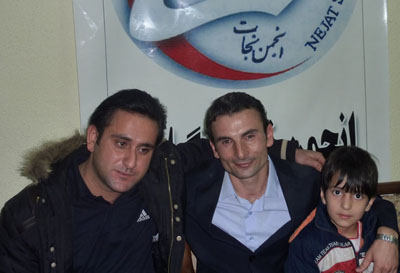
MKO former members
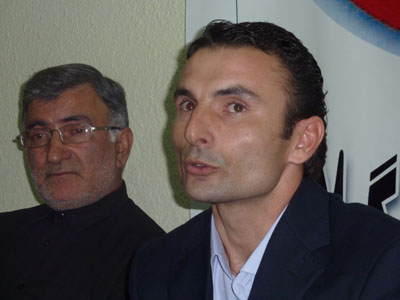
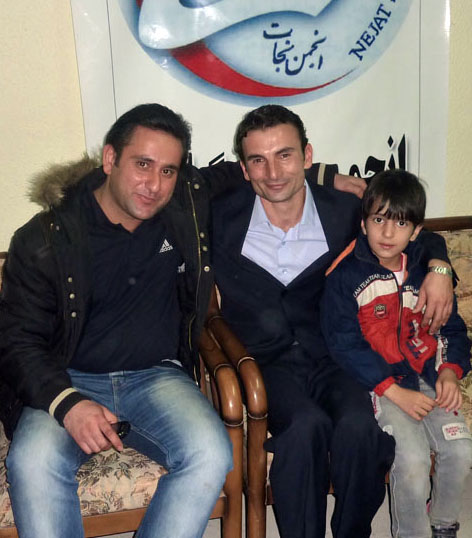
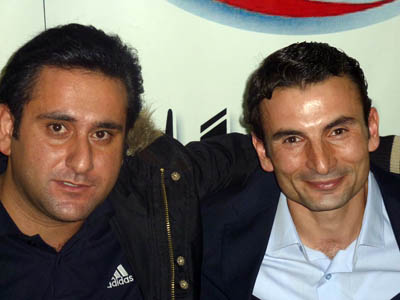
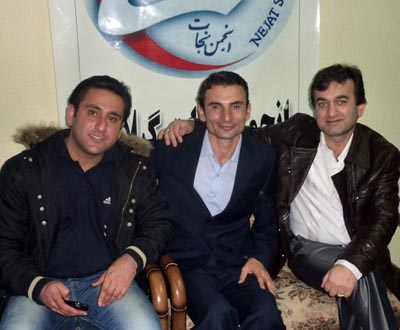
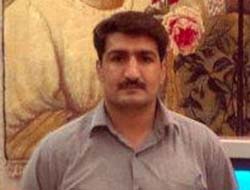
Mr. Sirous Morsalpour who recently succeeded to leave the Mujahedin Khalq Organization declared his defection from the group in the following statement: 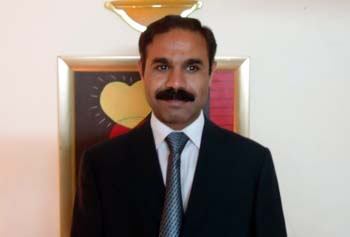
Dear countrymen
I am Sirous Morsalpour. I was deceived by the MKO’s propaganda uproar and joined the group at Camp Ashraf, in 2004.
I declare that I left the group because of the reasons coming below. May you judge what I went through.
I got shot in my stomach in both incidents in June2009 and April 2012 at Camp Ashraf. I seriously needed surgery.
Although I could have had surgery outside Ashraf, I was not allowed to go to the hospital [outside the Camp] to have surgery. They suggested unfounded reasons including the transfer to Camp Liberty. Some of my ex-friends also had similar health problems and they were permitted to be surgeried in the hospital. So I asked them to send me to liberty but they unreasonably declined.
Discrimination in treating me and lack of trusting me became an extra suffering to my health problem. When I insisted on going for the surgery I was told that I was fired. They handed me to Iraqi Police to get rid of me,
Sirous Morsalpour
Baghdad – April 20,2012
 camp that is located near Baghdad International Airport, escaped from the camp on Friday and turned themselves in to Iraqi security forces, the Habilian Association website reported.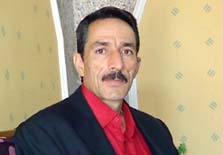
 professional opinion, the extreme influence (brainwashing) used by this destructive cult to recruit, indoctrinate and maintain control over their members ranks extremely high.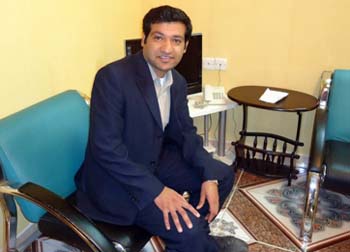
 declare my separation from the cult of Rajavi [the MKO].