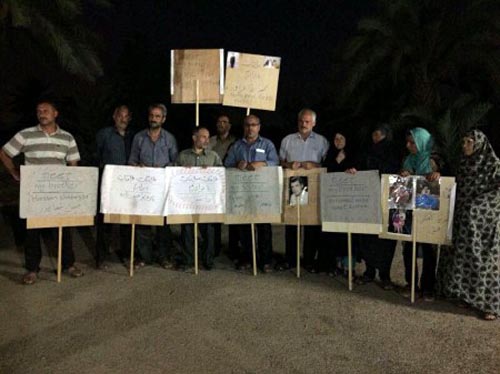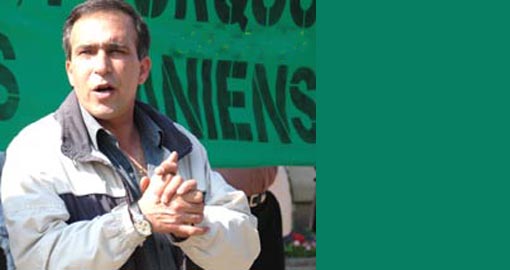
Perhaps one can indubitably argue that such words as “democracy” and “Freedom” are very strange to the MeK’s ears. They are the words they have been uttering at each and every point for more than four decades, and with which they have been using to achieve their purposes and deceive a lot of people even non-Iranians. Although being at the end of their rope and facing great failures one after the other, the MeK has not extracted lessons from its experiences and keeps threatening its critics not in Saddam’s Iraq but in European countries!
These intimidations of the critics and ex-members in European countries again suggest that MeK is an anti-democratic group. Because if they consider themselves as an alternative to the Iranian government and if they emphasize on the freedom of ex
But to gain power, these liars not only trample the laws and regulations they have set but they give their dissidents death threats. They also put all their efforts to use every machination to represent their dissidents as the Iranian spies in European countries and if failed they pay hush money to their critics.
But who the MeK really are that Iran send its agents to spy on them in the Europe?
We have repeatedly read in the news that Iranian hackers have successfully attacked US Department of State or even Pentagon servers. So, is it difficult for such a regime which infiltrates the US Dept. of State to attack the MeK computers? Of course it is as easy as falling off a log for them to attack the MeK’s cyber system as the State Department is secured and maintained to the highest cyber security standards.
So the MeK tarnishes its critics with such tactics in order to find a way out of its self-created deadlock and to make its members understand that the same future will happen to them if they want to defect from the organization.
Such anti-humane activities of the MeK suggest that they simply trample their own laws and regulations. Another point is the psychological and mental abuse targeted against the captive members and their family members who did whatever they could to visit their children. The MeK’s approach during the past 4 decades was not in accordance with the human rights and the laws of God in Abrahamic religions. They were more like the laws that Rajavi set at each point for achieving his own purposes. From the forced marriages to its opposite i.e. forced divorces or compelling members to worship one person to forcing members into self-immolation in public in the heart of Europe through brain washing methods which was extremely disgusting and from the Europeans’ view an extremely savagery act.
These were only a part of the MeK’s activities which claims freedom and democracy, but change it color each day in order to mislead the public opinion so that it may continue to live for a few while and get rid of its critics and former members.
Taking a glance at the MeK’s activities from past to present, one can firmly say that MeK’s claims of freedom and democracy is an insult to the human rights and humanity.
Edward Termado, Personal weblog (translated by Iran Didban)
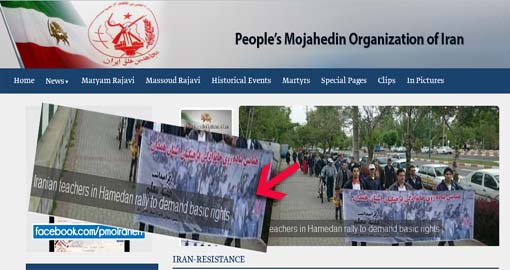
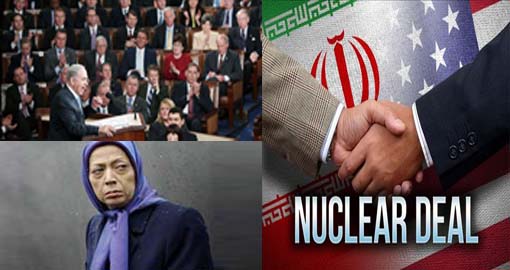 against the Iranian nuclear program. As a vocal opponent of diplomacy, the Mujahedin Khalq Organization (the MKO) has received the message so it has launched an aggressive propaganda against the deal.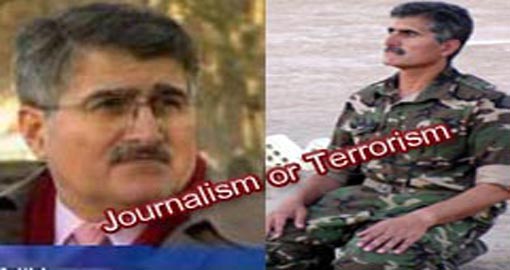
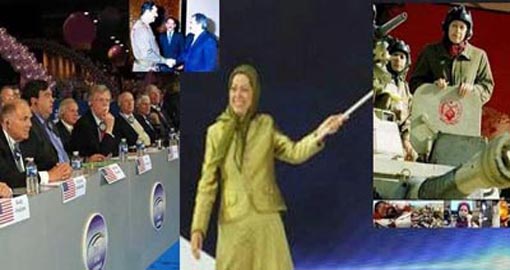 window. She was lucky that there was no bars on the window so she could squeeze through the window. She breathlessly ran again and again until she reached Iraqi forces guarding Camp Ashraf.
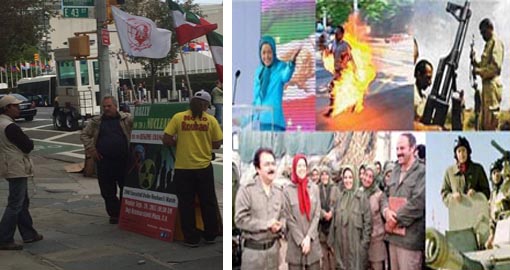
 support of Iranian people. The MKO’s propaganda arm the so-called National Council of Resistance always pretends to be “resistance of the Iranian people”.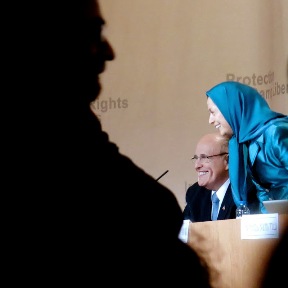
 extraordinary move considering that this Council claims to represent Iranians and its leader styles herself the ‘President elect’ of Iran.