
Kurd member of Iraqi Parliament asserts that Iraqi Kurds do not want the Mujahedin Khalq Organization in Iraqi territory.
Mr. Rinas Jano Mohammad Younis, a deputy of Kurdistan Democratic Party from Dahuk Province told Ashraf 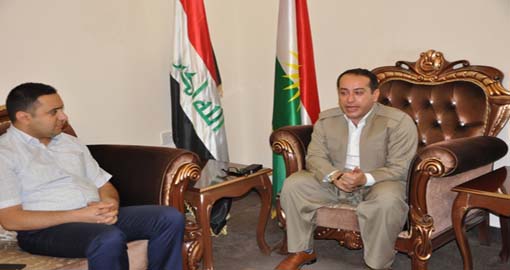 News, “Kurds have been victims of the MKO as it was cooperating with Saddam Hussein.”
“The role of the MKO and the crimes it committed against Iraqi people including Arabs, Kurds and Turkmens is known to everyone,” Mr. Jano added. “Iraqi government has so far tolerated members of this terrorist organization because European countries have promised to receive it in their soil.”
The Kurdish parliament member considers the United Nations as the main responsible body to determine the future of the remaining members of this Iranian organization, in Iraq. “The UN has a heavy responsibility on the issue of the group since it has been a side of the agreement that was signed based on relocation of members of the Mujahedin Khalq out of Iraq,” Mr. Jano said.
The deputy of Kurdistan alliance in Iraqi Parliament denied that Kurdish alliance fraction wants the MKO members to remain in Iraq. ”We support the rule of Iraqi government on its territory and the expulsion of any terrorist group that is hostile to neighboring countries of Iraq,” he stated.
Translated by Nejat Society
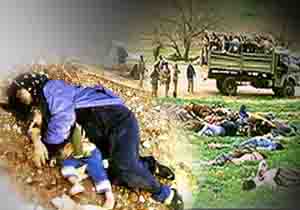
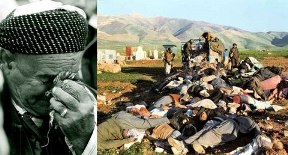 March 16 however marks the anniversary of the day in 1988 when Iraqi war planes and artillery pounded the Kurdish town of Halabja in northern Iraq with mustard gas and the deadly nerve agent sarin. Some 5,000 people – mainly women and children – died on the day, and up to 12,000 have lost their lives since. A packed rally in Westminster allowed Kurds and sympathisers to remember this tragedy inflicted on them by Saddam Hussein.
 also after Saddam at the hands of US-led Western governments who are more concerned with access to the regional oil resources and with perceived strategic interests other than human welfare and also by extremist groups taking over parts of the country . Although the government of Iraq is trying hard to stabilize the country it still has problem confronting terrorists.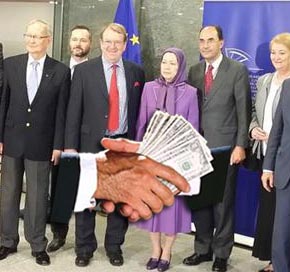
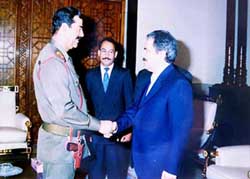 mer Iraqi president, Saddam Hussein, pointing out that support for this organization by several Jordanian MPs stems from their loyalty to Saddam Hussein.
 authorities can refer to the neighboring Iran as a role model to fight terrorist groups, like Mojahedin-e Khalq Organization (MKO).
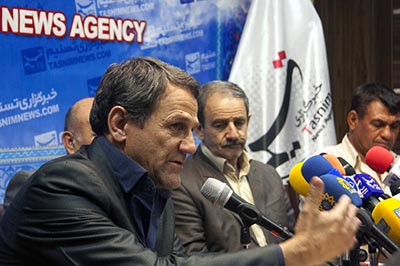 ed war provided them with the chance.
 the notorious group.
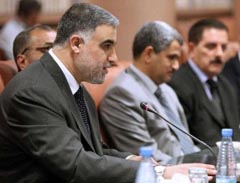 Iran’s Mehr news agency today reported that “the Minister of Justice Morteza Bakhtiari, announced during their meeting that four memoranda of understanding with the Iraqi side had been signed. The first three memoranda of understanding, on judicial cooperation in civil affairs and human rights, on judicial cooperation in criminal cases, and the extradition and transfer of convicts, as approved by parliament, and a fourth memorandum of understanding covering the transfer of convicts which remained, awaiting authentication by the Islamic Shura Council.”